Why High-Capacity Commercial Washers Matter: Cleaner Bulky Loads, Fewer Cycles, Less Hassle
Toss a king-size comforter in your home washer and what happens? After an hour, it comes out tangled, half-damp, and maybe still a bit musty. You run an extra rinse, then an extra spin, and later your dryer still needs multiple cycles to get it fully dry. Sound familiar?
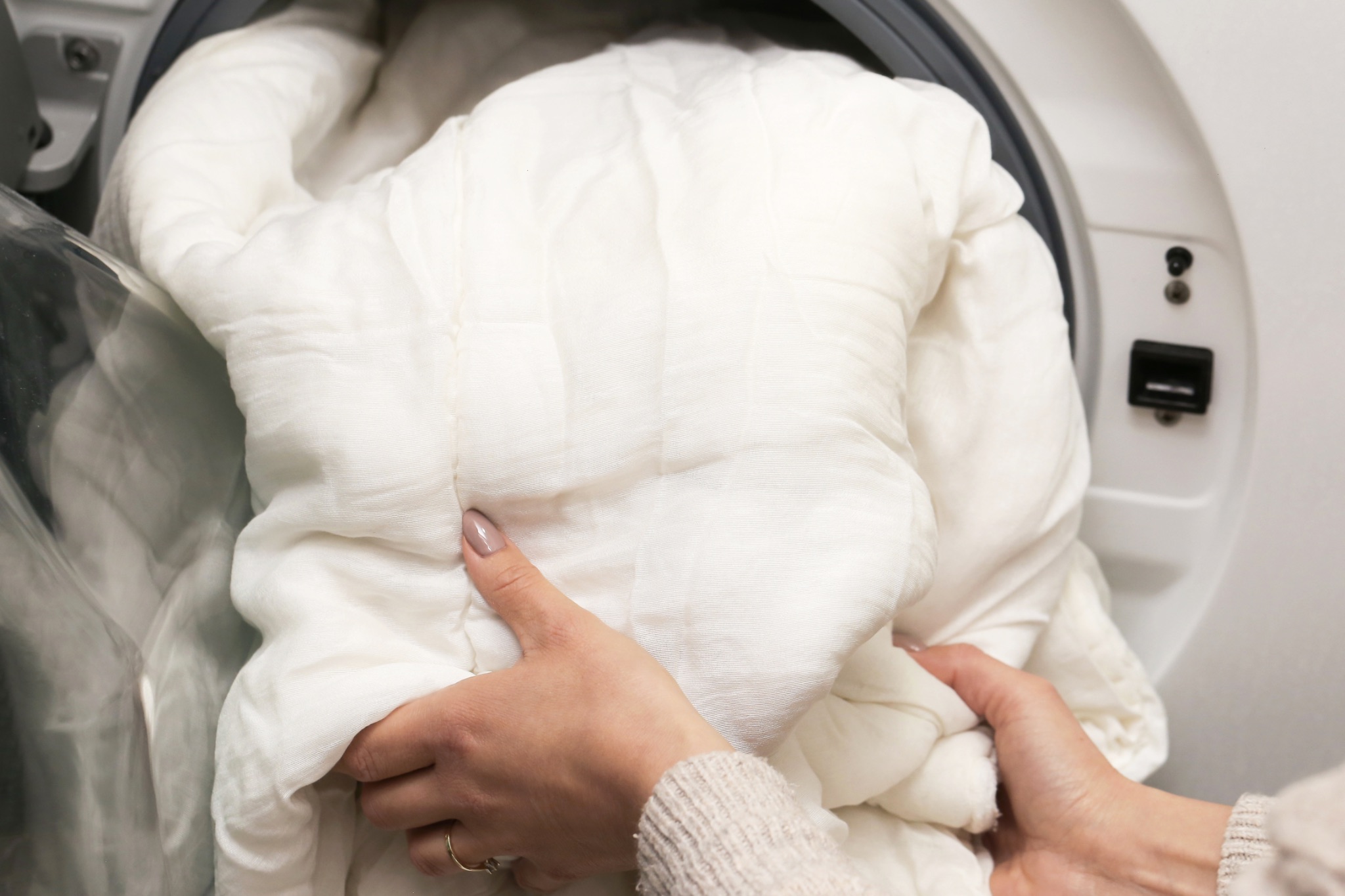
It’s a common struggle when washing bulky items in a standard machine. Home washers can only handle so much, and overpacking them leads to poor cleaning and endless cycles. That’s exactly why high-capacity commercial washers matter – they’re designed to tackle large, bulky loads in one go, delivering a deeper clean with fewer cycles and far less hassle for you.
Why home washers struggle with bulky loads
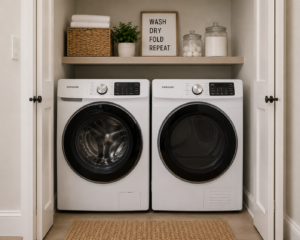
Bulky items like comforters, big blankets, heaps of bath towels, or padded sports gear can overwhelm a typical home washer. The drum simply isn’t spacious enough. When you cram in a puffy comforter or a week’s worth of towels, there’s no room for water and detergent to circulate. Parts of the fabric stay dry or un-soaped, dirt gets trapped, and odors linger. You might notice clothes or bedding coming out still smelly or with spots that didn’t fully get clean. Plus, the weight of a soaked comforter or rug can throw a home washer off-balance, causing violent shaking or even error codes and shutdowns.
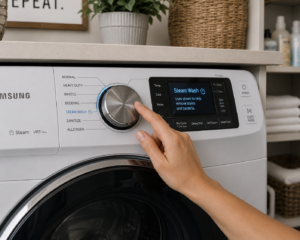
Even the settings on your washer can’t fully compensate for this limitation. Modern machines often have a “Bulky” or “Bedding” cycle that uses more water and a moderate spin to thoroughly soak and rinse big items without stressing the machine. And that does help – to a point. But if the comforter is plastered against the walls of a too-small tub, even the bulky cycle can’t perform magic. (Many people also confuse the “Heavy Duty” setting with “Bulky.” Remember, heavy duty is for heavy soil, not heavy weight. The bulky cycle is the one meant for huge items. If you’ve ever scratched your head over those options, you’re not alone – we put together a handy explainer on heavy duty vs. bulky washer cycles to clear things up.)
All of this means you often end up doing multiple inefficient loads at home. Maybe you wash that king comforter alone (taking up the entire machine for one item), then run separate loads for the sheets and mattress cover. Or you try to combine things and end up having to re-wash or extra-rinse because nothing got fully cleaned. It’s time-consuming and tough on your washer. In fact, the average American household already washes about 7–8 loads of laundry per week (roughly 50 pounds of clothes and linens). Introduce a bulky bedding load into the mix, and those numbers climb even higher if you’re using a small machine at home.
The wear and tear is real, too. Overloading a home washer frequently can shorten its lifespan or burn out the motor. These machines are designed for moderate family loads, not giant, continuous abuse. If you’ve ever smelled a “hot electronics” odor or heard your washer strain during a big load, that’s a warning sign. It’s telling you the job may be too much.
So what’s the solution? Use a machine that’s built for the task. Instead of fighting with limited capacity, you can head to a laundromat and let a high-capacity washer do the heavy lifting. For example, our self-service laundry in Chicago has washers ranging from standard 20 lb machines up to enormous 140 lb machines. That means you could wash 14 loads worth of laundry in one cycle if you wanted to. A king-size comforter that would barely squeeze into a home unit can swim freely in a 60, 80, or 140-pound commercial washer. Water and detergent will reach every inch of it, and it’ll come out truly clean.
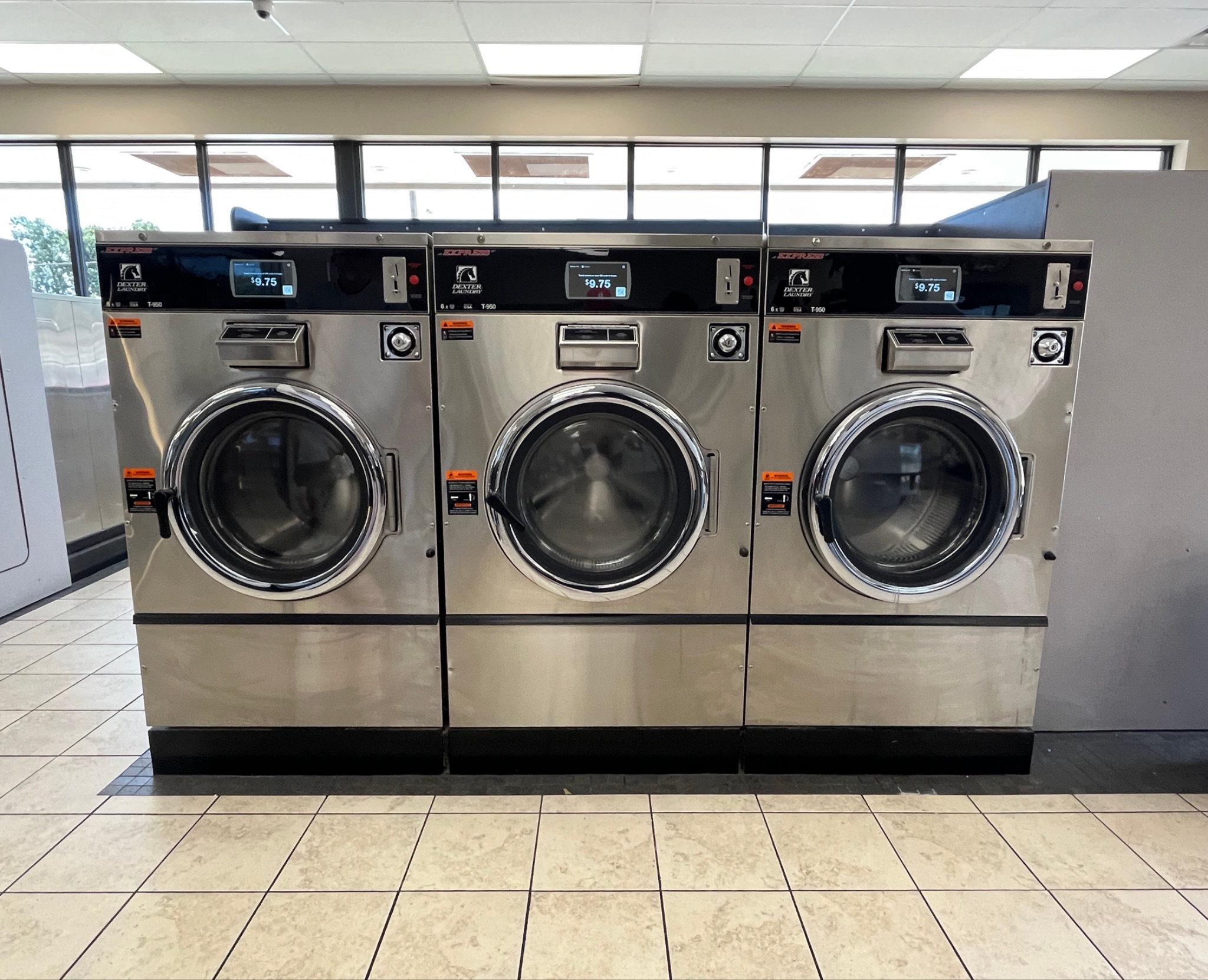
In short, home washers struggle with bulky loads because they’re not built for volume. When you try to make them do a commercial washer’s job, you get poor agitation, incomplete rinsing, extra wear on your appliance, and a whole lot of wasted time. High-capacity washers at the laundromat exist to solve exactly this problem.
Commercial vs. home washers: the high-capacity advantage
Using a commercial washer for your large or dense items isn’t just about size – it’s about performance. These machines have multiple advantages by design:
- Much larger drum space for a thorough clean. A high-capacity washer has a huge stainless steel drum that can easily fit big and bulky items with room to spare. All that space means your comforter or pile of blankets can tumble and turn freely as water and detergent flow through them. The fabrics aren’t smooshed against the sides; they’re getting completely saturated and scrubbed. No more dry spots in the middle of a duvet or jeans twisted into a tight ball that soap never penetrates. Every fiber gets exposure to water and cleaning agents. The result is a genuinely deeper clean for oversized items. Even for normal clothes, being able to wash a larger load at once ensures everything circulates better than if you overstuff a small tub.
- Stronger washing and rinsing power. Commercial machines are true workhorses. They have powerful motors and often operate on higher voltage, which means they can generate more agitation and water flow when needed. Stains and dirt that might sit stubbornly in a home washer can be lifted out more easily when you’ve got a bigger, beefier machine churning them. Detergent is distributed evenly across a large load, and advanced controls let these washers use tailored cycles (longer wash times, extra rinse steps, etc.) to attack heavy soil. Got a heap of mud-caked sports uniforms or a dog bed that smells like…dog? A high-capacity washer can handle it without breaking a sweat, whereas your home washer might balk or only clean the surface.
- High-speed spin = shorter drying time. One of the unsung benefits of commercial washers is their spin cycle performance. These machines are built to spin heavy loads at very high speeds (many have high G-force extractors). That means by the end of the wash, much more water has been pulled out of your laundry. Bulky items come out of a commercial washer merely damp instead of sopping wet. As a result, they’ll dry much faster. You won’t need to run your home dryer for three cycles and still find the comforter damp in the middle. The industrial washers leave it dry enough that one cycle in a high-capacity dryer at the laundromat (or a normal dryer, if you take it home damp) will finish the job. Stronger spin also prevents that musty smell, since excess water isn’t left lingering in the fabric.
- Do more laundry in fewer loads. High-capacity means you can combine what would be multiple home loads into one. Rather than washing bedding in four separate batches throughout your day, you could toss the whole week’s bedding (sheets, pillowcases, duvet cover, and that bulky comforter) all together into a single oversized washer. In one cycle, it’s done. This consolidation saves a huge amount of time and hassle. Fewer loads also means using less detergent and fewer machine start-ups, which can even save on water and energy in the grand scheme. And if you’re at a laundromat with many machines, you have the option to do all your laundry at once. For instance, you could run a big washer for towels and bedding and another for clothing simultaneously – getting two or three “home loads” done during the same 25-minute wash period. Your entire laundry day might shrink from several stressful hours to just one efficient trip.
- Built for durability and continuous use. Commercial washers are professional-grade equipment. They’re designed with sturdy components (steel drums, heavy-duty bearings and belts, commercial motors) that can handle load after load, all day long. A quality commercial washer can easily last 10-15 years or more, even with daily high-volume use. In technical terms, these machines are often tested for tens of thousands of cycles. They can run hotter water, longer cycles, and bigger loads without wearing out. By contrast, a residential washer used beyond its intended capacity may overheat or break down far sooner. Essentially, you’re leveraging a machine that’s engineered for the job. There’s peace of mind in knowing that a huge load of towels isn’t going to make a commercial washer flinch – whereas at home, that same load might burn out your motor or require a repair call.
All of these advantages add up to a simple truth: laundromat washers can clean bulky items better and faster than home washers. They’re purpose-built for exactly the kind of laundry that gives your poor little washing machine at home such a hard time. By using a high-capacity washer, you’re not pushing any limits – you’re right in the machine’s wheelhouse.
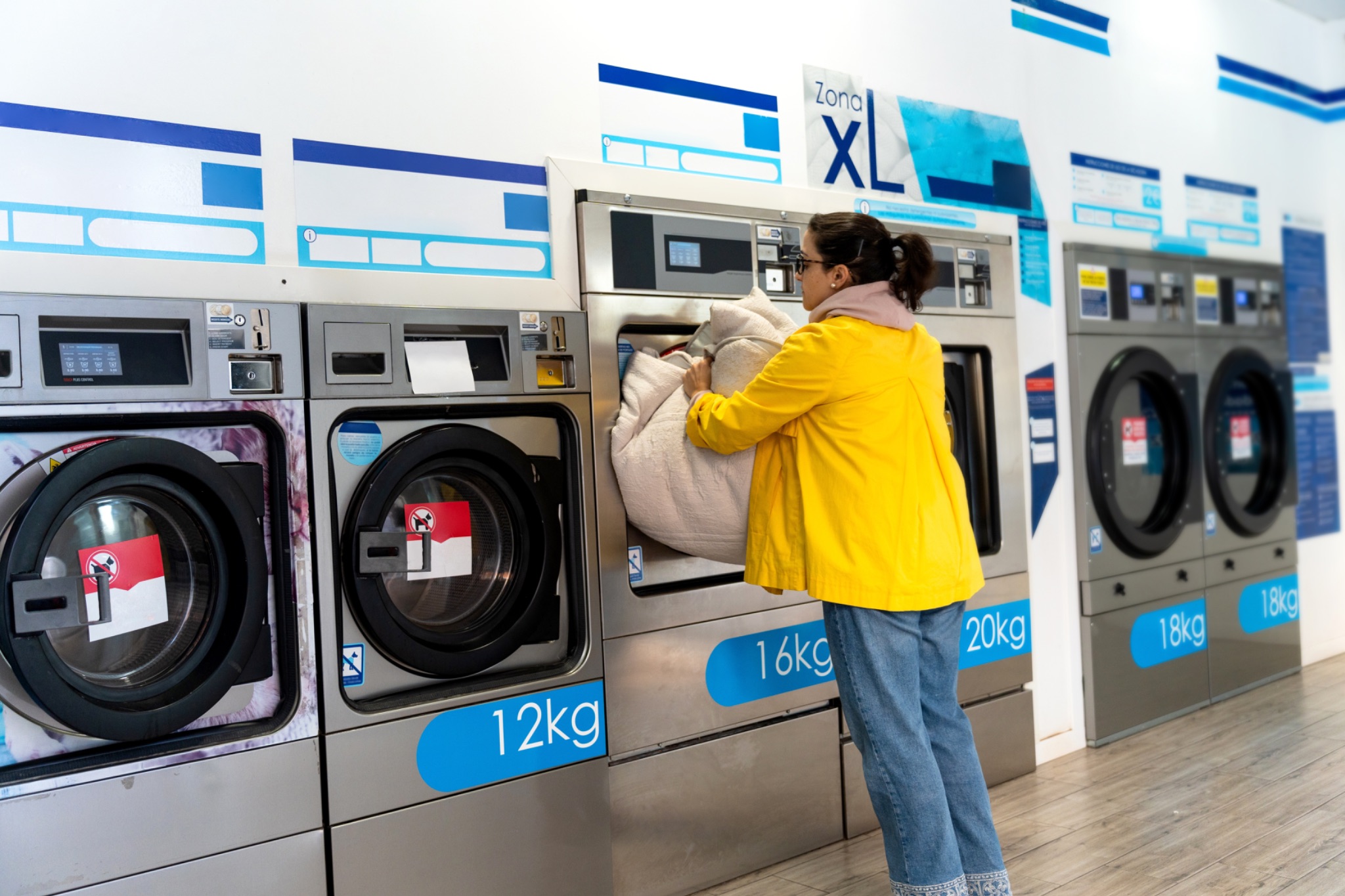
There’s also an element of gentleness here. It might sound counterintuitive, but using a much larger washer can be gentler on your items. In a small machine, that big comforter is jammed tight and the agitator (in a top-loader) might be rough on it, or it might rub harshly against the door in a front-loader because it can’t move freely. In a spacious front-load commercial washer, the comforter can float and tumble, getting cleaned without being mechanically stressed as much. The washer’s drum design and controls are often optimized to care for bulky things (using that gentler rocking motion on a bulky cycle, for instance). So your bedding and oversized garments not only get cleaner, they endure less abuse in the process.
Signs your laundry needs a bigger machine
How do you know it’s time to give up on the home washer and take that load to a high-capacity machine? Here are some clear signs you should use a commercial washer for those bulky or heavy items:
- Items come out still dirty or musty. If your laundry (especially bedding or towels) emerges from a full cycle and doesn’t smell fresh, or you can still see spots of dirt, that’s a red flag. It likely means the load was too packed or the washer couldn’t circulate properly. (There’s a reason we even wrote a full guide on how to wash a comforter the right way – bulky bedding needs special care.) A high-capacity washer can ensure everything gets properly soaked and rinsed so you’re not left with a “half-clean” smell.
- Thick items are still soaking wet after washing. If your blankets, comforters, or winter coats come out of the washer heavy with water (or your dryer is struggling to get them dry even after multiple cycles), your home machine likely didn’t spin them effectively. Big items that stay wet tell you the washer couldn’t handle the load size. A commercial washer’s powerful spin will extract far more moisture, so you won’t have a dripping mess after washing.
- Every laundry day involves countless loads (and re-loads). Do you find yourself running the washer all day to tackle the week’s laundry? Are you dividing what could be one large load into three or four smaller ones just to fit your washer’s limits? High-capacity machines can save you from this routine. If you’re spending an entire Saturday doing load after load, that’s a sign to scale up your washer size and get your time back.
- Your washer struggles or your loads are at the max. Pay attention to your machine’s behavior. Is it thumping around because the load is unbalanced? Shutting off with error messages when you try to wash heavy rugs or too many jeans at once? Or maybe you physically can’t fit a certain item in at all. (That huge dog bed or king duvet just refuses to squeeze in.) These are obvious signals that you need a larger-capacity washer. There’s no shame in letting a commercial machine handle what your home washer cannot.
- Oversized things you rarely wash. Think about the items you avoid washing because it’s too much of a pain at home: the puffy sleeping bag that hasn’t seen soap in a year, the couch cushion covers you’ve been meaning to freshen up, or the pile of winter coats with salt stains. If it’s bulky, heavily soiled, and sitting in a corner because you dread the home washer hassle, take it to a self-service laundry for bedding and heavy items. One trip to the laundromat will do more for those items than multiple incomplete home cycles ever could.
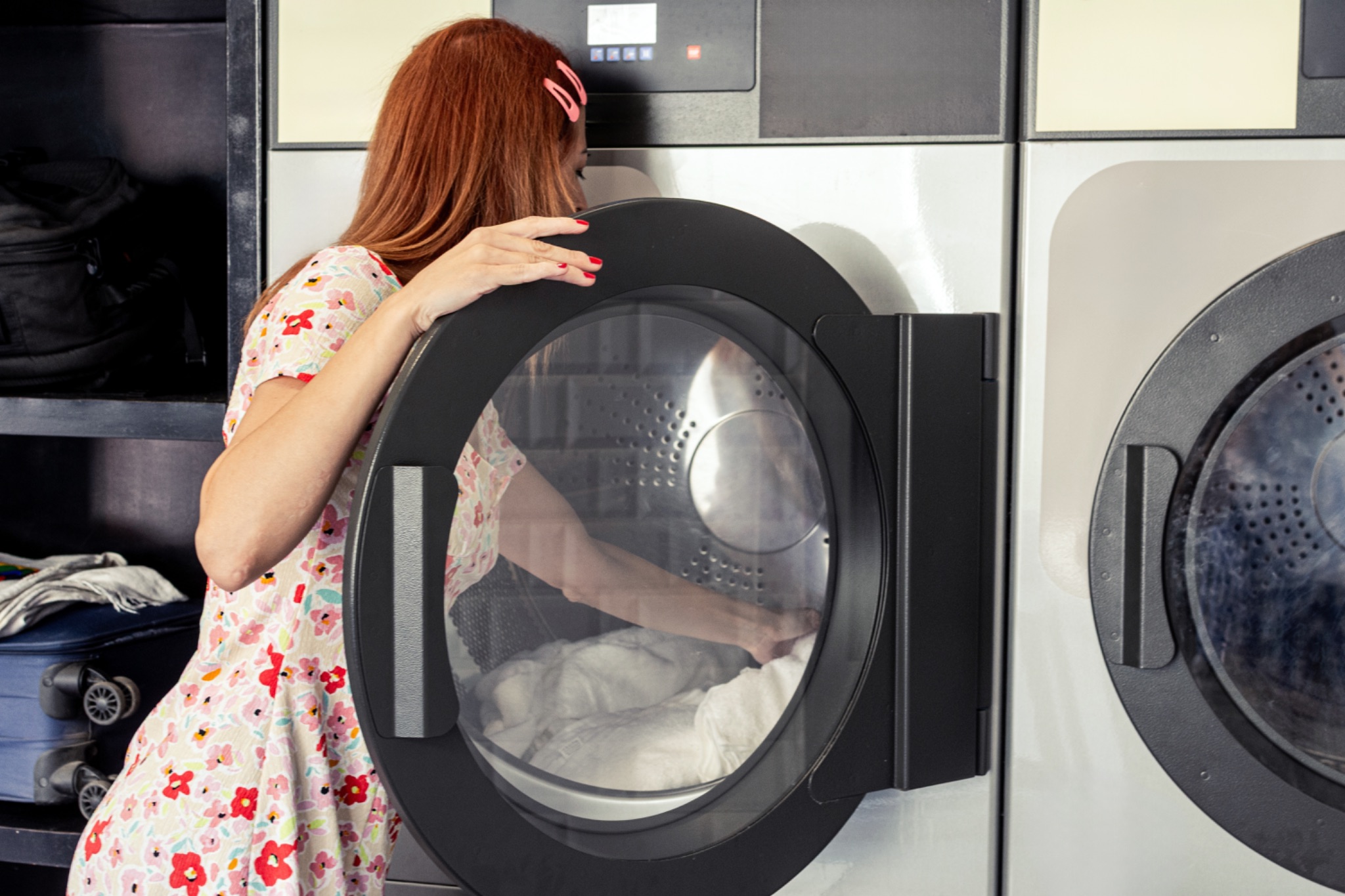
Any one of these signs is a good nudge to try out a high-capacity washer. Rather than running your small washer to its limits (and still ending up with subpar results), you can save time and frustration by doing it right the first time in a commercial machine.
And remember, using a laundromat isn’t an all-or-nothing commitment. You might do your regular clothes at home just fine, but choose to wash big items or do that seasonal deep-clean of all the blankets at a facility with bigger washers. It’s about choosing the right tool for the job. When the job is “wash a mountain of bulky stuff,” a high-capacity washer is the right tool.
Modern machines, cleaner laundry (with less hassle)
High-capacity washers aren’t old, beat-up hunks of metal – at least not in a quality laundromat. They’re often state-of-the-art, and in our case they’re maintained meticulously because we’re a bit clean-obsessed (as our regulars know). At Spincycle, we take pride in having a neighbor-approved facility with modern equipment that’s always in top working order. Every machine is kept clean and tuned, so you never have to worry about someone else’s grime or an out-of-service washer interrupting your routine. In fact, we even ozone-sanitize our washers to ensure each load gets a hygiene boost that home machines can’t offer. You get volume and cleaning power, without sacrificing on sanitation or safety for your fabrics.
Using a large commercial washer can actually simplify your life. Instead of stretching a Sunday laundry chore across multiple washers and dryers at home, you could reclaim that time. Imagine washing all your quilts, comforters, and fall jackets in one swoop and having them truly clean and dry by the end of a single laundromat visit. Many of our customers are pleasantly surprised to find that what used to consume an entire day now takes just about an hour or two, start to finish. Less waiting, less lugging loads up and down stairs, less second-guessing if something is actually clean – it’s straightforward and efficient.
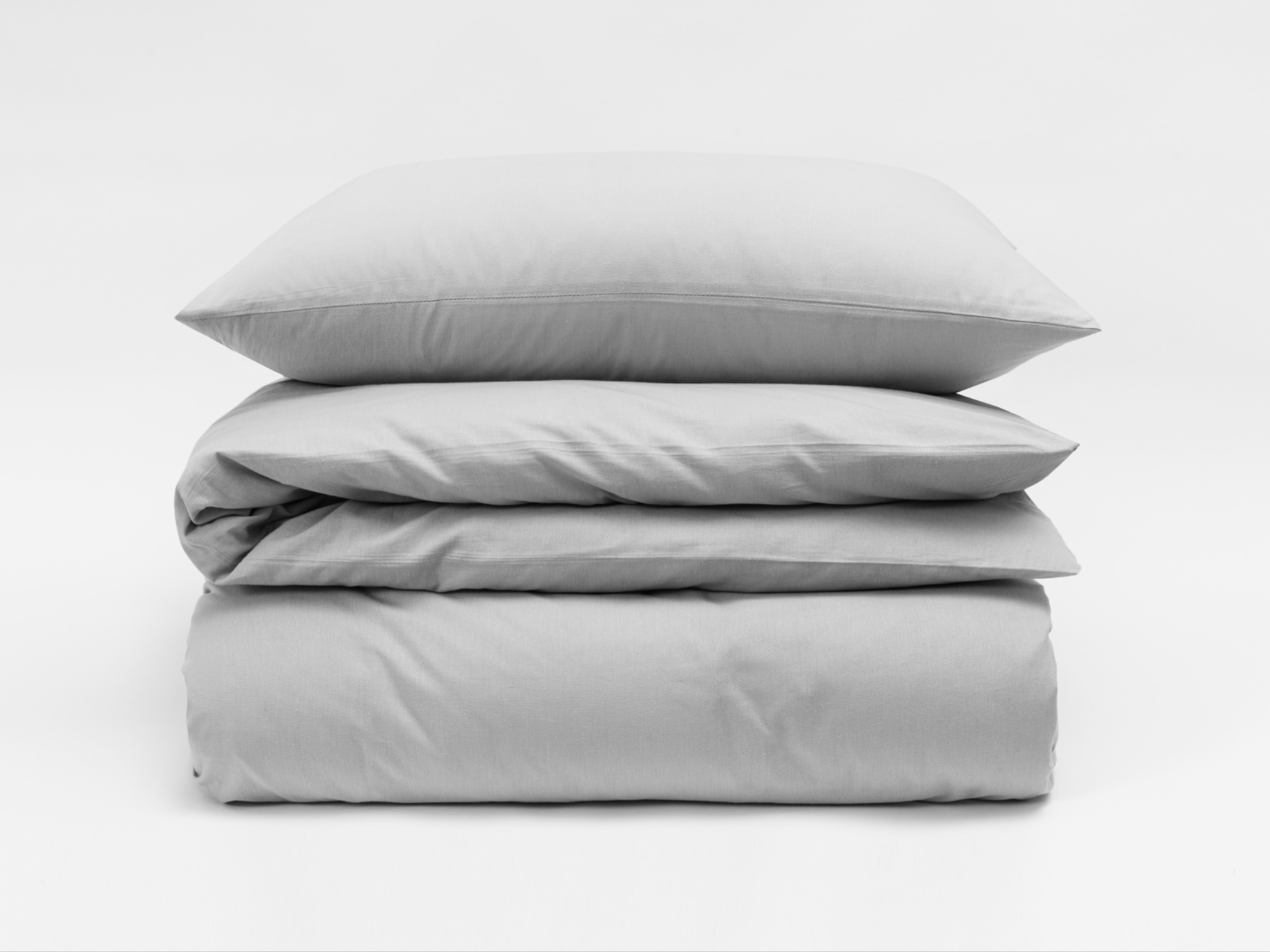
Ultimately, high-capacity commercial washers give you cleaner bulky loads with fewer cycles and less hassle. They’re a perfect example of “work smarter, not harder” applied to laundry. Instead of forcing inadequate equipment to do a big job, you use the right equipment and breeze through the task. So the next time you’re staring down a giant pile of towels or a king-size comforter that won’t fit in your washer, don’t hesitate – bring it to a laundromat equipped with the big machines. Your clothes, linens, and your schedule will thank you. And if you’re in Chicago, come on by our laundromat and see the difference for yourself. We’re here to make those heavy laundry days a whole lot lighter, whenever you need us.