How to Wash Ruggable Rugs the Right Way
Ruggable and other washable rugs have become a game-changer for busy, clean-obsessed households. With pets tracking in mud, kids spilling juice, and everyday dust piling up, having a rug you can toss in the washing machine offers serious peace of mind. These two-piece rugs consist of a decorative cover and a nonslip pad – only the cover goes in the wash, making it easy to deep clean spills and allergens on demand. It’s a neighbor-approved solution for a healthier home, especially for allergy sufferers who can wash away dust and pet dander. And considering the average U.S. household does around 7 loads of laundry a week, it’s a relief to be able to throw your rug cover in with your towels rather than making a special trip to the cleaners.
Ready to refresh your Ruggable rug? Below we’ll walk through exactly how to wash a Ruggable rug the right way, step by step. We’ll also cover how to (and how not to) clean the rug’s pad, the proper drying method, and extra tips to keep your rug looking its best. Let’s dive in.
How to wash a Ruggable rug cover: step by step
Washing your Ruggable rug cover is straightforward if you follow a few key steps. Always handle your rug cover with care to maintain its quality. Here’s how to get it clean without a hitch:
- Remove and pre-treat the cover: Start by separating the rug cover from its pad. Simply peel the cover off – the clingy underside will release from the pad. Take the cover outside and give it a good shake to remove dust, dirt, and pet hair. If you can’t go outside, vacuum the rug cover thoroughly on both sides instead. Inspect for any stains or spills and pre-treat them: apply a mild stain remover or a paste of gentle detergent and water to spots, and let it sit for about 10 minutes. (Tough stains like pet urine or wine benefit from pre-treatment so they don’t set in the wash.) If your cover or other washable covers have zippers or hook-and-loop fasteners, close them before washing to prevent snags – although Ruggable rug covers don’t use zippers, it’s a good laundry tip in general.
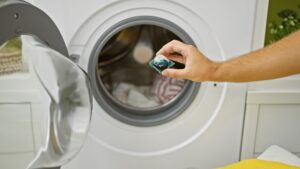
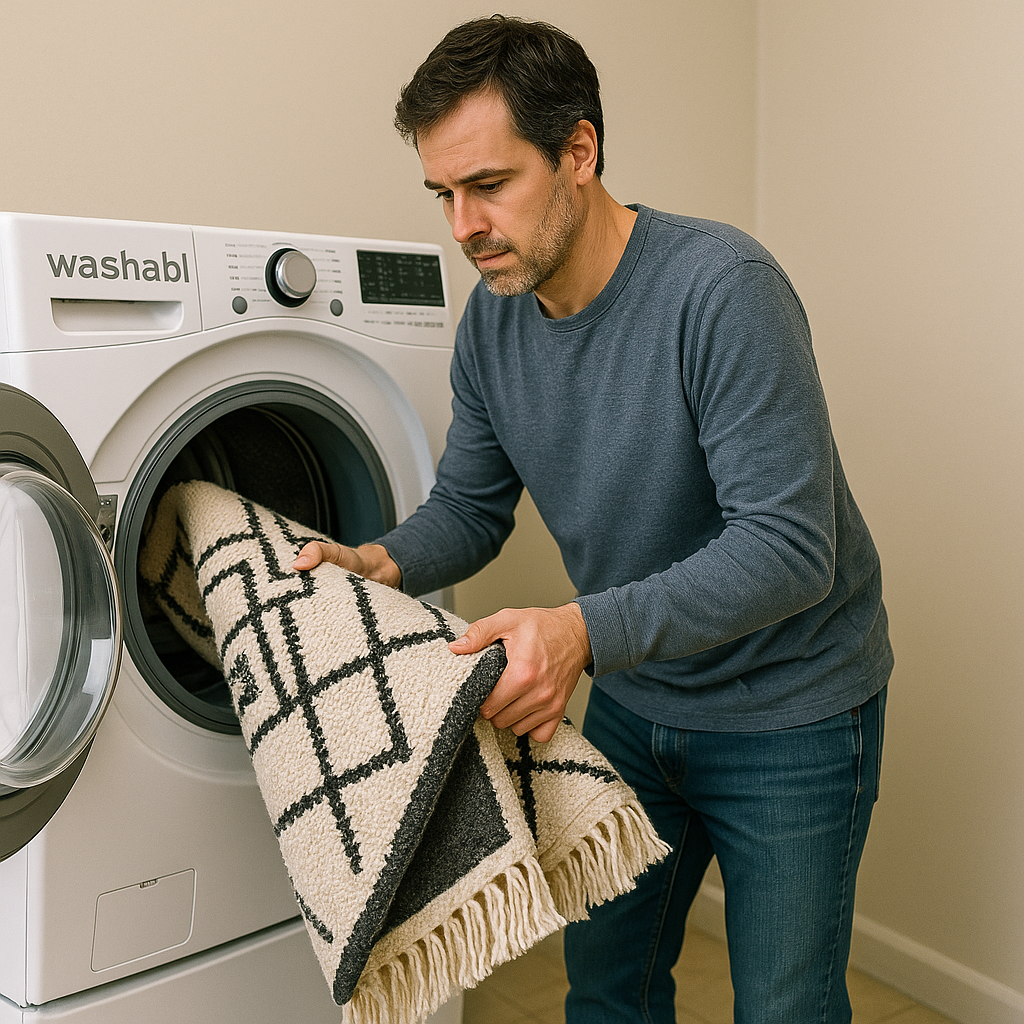
- Machine wash with the right settings: Place the rug cover into your washing machine, design side facing out. That means the soft or patterned side of the rug should touch the washer drum, with the rubbery backing facing inward – this helps protect the cover’s grip material and reduces wear. Use a mild, non-bleach laundry detergent, and avoid any bleach or fabric softener (harsh chemicals can damage the rug’s fibers and backing). Select a delicate or gentle cycle with cold water. Ruggable officially recommends cold water and a delicate cycle for all their rug covers. Avoid heavy-duty or hot water settings, which can cause the cover to shrink or the colors to fade. If your rug cover has picked up pet odors or a musty smell, consider adding half a cup of white vinegar to the wash; vinegar acts as a natural deodorizer. For a balanced load, especially with a large cover, you can toss in a couple of towels to help distribute weight in the washer. Let the machine run its cycle and do its thing. Once done, check that the stains are gone – if anything remains, you can run a second gentle cycle as needed.
- Dry and reattach the cover: Remove the clean rug cover from the washer. It will be quite wet and heavy, so handle it carefully to avoid stretching. You have two options for drying: air-drying or machine drying on low heat. The safest bet is to let the cover air dry by hanging it over a shower rod or clothesline, or laying it flat. This avoids any heat damage and is gentlest on the fabric (though it will take longer). If you prefer to use your dryer, tumble dry on the lowest heat setting. Ruggable rugs are designed to handle low heat drying; just avoid high heat or long cycles which could shrink or warp the cover. It’s a good idea to check periodically and remove the cover while it’s slightly damp to finish air drying, as this can prevent over-drying. Once the cover is completely dry (make sure it’s not even a little damp, to prevent mildew), reattach it to the rug pad. The easiest way is to lay the pad flat on the floor, then starting at one end of the pad, align the corners of the cover and slowly roll or smooth the cover onto the pad. This rolling method helps avoid air pockets and wrinkles. Take your time to get it aligned and flat. Your rug is now clean, fresh, and ready to use again!
Can you wash a Ruggable pad?
The short answer is no – do not put your Ruggable rug pad in the washing machine. The rug pad is made of a rubber-like nonslip material that isn’t designed to be submerged or machine washed. Washing the pad can damage its grip or cause it to deteriorate. Instead, you should clean the pad with simple at-home methods:
- Vacuum or shake out debris: If the pad has crumbs, pet hair, or dirt on it, vacuum it on a low suction setting. You can also take the pad outside and give it a gentle shake to knock off loose dirt. Keeping the pad clean of grit will help it maintain good contact with the cover.
- Spot clean stains or spills: If you notice a spill soaked through to the pad (for example, a pet accident or a drink spill), address it promptly. Using a mild dish soap or laundry detergent diluted in water, gently scrub the affected area of the pad with a soft cloth or sponge. Wipe away any soap residue with a clean damp cloth. Avoid using bleach or harsh chemicals on the pad, as these can break down the material.
- Air dry thoroughly: After any spot cleaning, allow the pad to dry completely before putting the rug cover back on. Lay the pad flat to air dry – if it’s a nice day, you can even place it outside for faster drying. Make sure it’s fully dry top and bottom, as any moisture trapped under the rug could lead to mildew or floor damage.
Remember, only the rug cover is meant to be machine-washable. The pad should be maintained with vacuuming and spot cleaning as needed. If a pad gets extremely soiled or smelly (for instance, from a serious pet accident), it may be worth replacing the pad or consulting a professional cleaner for specialized treatment. But under normal use, regular light cleaning of the pad will keep it fresh.
Drying your Ruggable rug cover
Drying is a crucial part of cleaning your Ruggable rug, and doing it correctly will keep your rug cover in great shape. After washing, you have two main drying options:
- Air drying (line-dry): Hanging your rug cover to air dry is the gentlest method. You can drape it over a drying rack, a sturdy shower curtain rod, or a clothesline. Smooth out any wrinkles or folds and make sure the weight is evenly distributed so the cover doesn’t stretch out of shape. Air drying may take several hours (or even a full day for larger rugs), but it helps preserve the fibers and prevent any shrinkage since there’s no heat involved. One tip: avoid prolonged direct sunlight when air-drying colored rugs, as it could fade the dyes over time. Indoor air drying or shaded outdoor areas are ideal if possible.
- Machine drying on low heat: If you need your rug ready faster, you can use a dryer – but always on low heat (or the delicate, tumble dry low setting). Place the rug cover in by itself (or with a few other lightweight items like towels to help it tumble). It’s important to avoid high heat or over-drying. High heat can shrink the cover or weaken the backing’s grip over time. To minimize wrinkles, remove the rug cover while it’s just slightly damp. You can then lay it flat or hang it for a final air dry; the remaining moisture will dissipate and the rug will be less wrinkled than if it cooked in the dryer until bone dry. If you do let it dry completely in the dryer, take it out promptly – don’t let it sit in a hot drum, as that’s when creases set in.
Whichever method you choose, always ensure the rug cover is 100% dry before reattaching it to the pad on your floor. Even a bit of lingering dampness can lead to a musty smell or mold underneath, especially on wood floors. If the cover feels stiff or has minor wrinkles after drying, don’t worry. Simply lay it down on the pad and smooth it out as best you can. Stubborn wrinkles or edges that won’t lie flat? A neat trick is to iron the rug cover on low heat. Yes, you can gently iron a Ruggable rug (on the top fabric side, not the rubber backing) using the low setting; this can relax any creases. Alternatively, a garment steamer can help release wrinkles as well. Just be sure to place a towel between the iron and rug if you’re nervous, and avoid heating the rubber backing directly. With these drying practices, your rug cover will come out fresh, flat, and ready to brighten up your space again.
Washing machine considerations
Before washing your Ruggable, it’s smart to consider your machine’s capacity and type. Ruggable rug covers come in various sizes – from small doormats to large 8’x10’ or even 9’x12’ rugs – and not every home washer can accommodate the bigger covers. Here are some machine considerations to keep in mind:
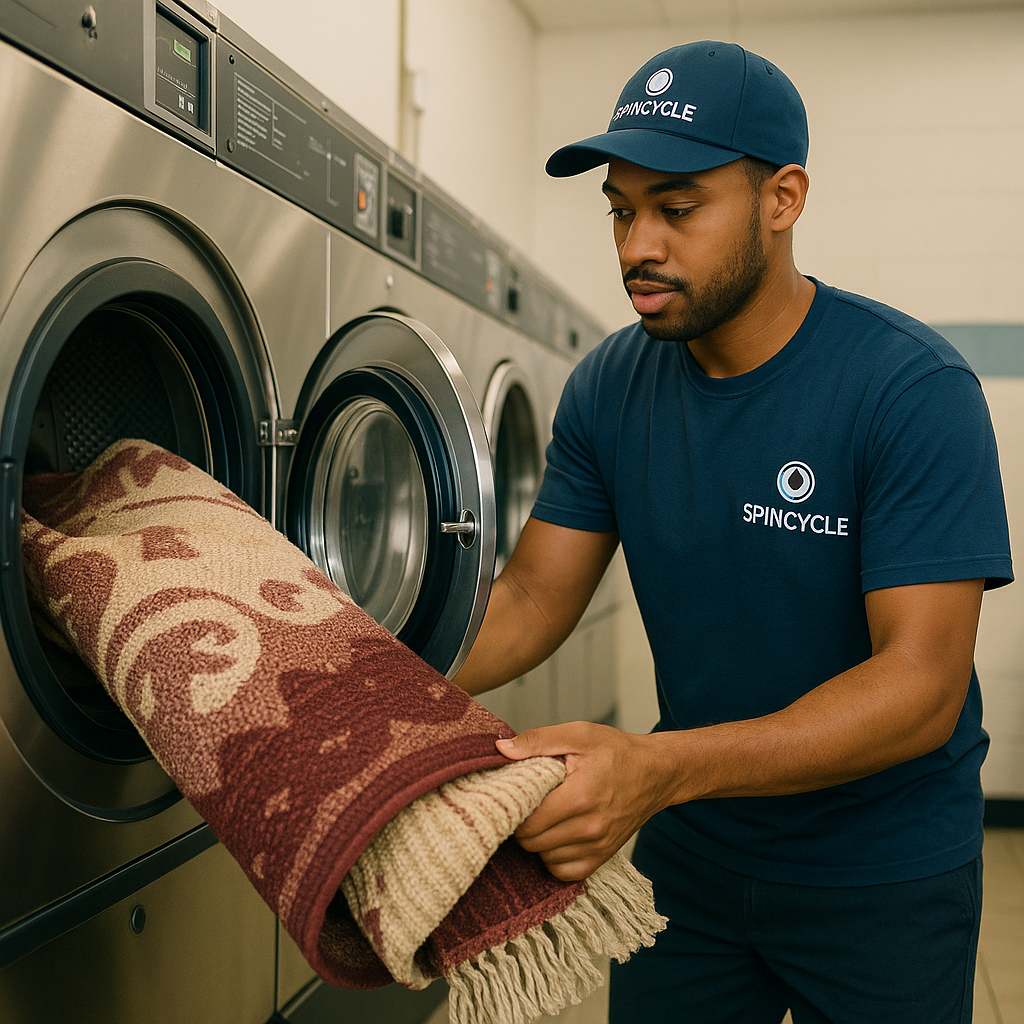
Standard home washer vs. laundromat: Small and medium Ruggable covers (say 3’x5’ up to 5’x7’) typically fit fine in a standard home washing machine, especially high-efficiency front-loaders or top-loaders without an agitator. If you have a newer large-capacity washer, you might even handle a 6’x9’ or 8’x10’ cover at home. Always consult your washer’s capacity; most machines list their drum size in cubic feet and a weight limit. If your rug cover is one of the largest sizes or if it barely fits in the drum, don’t force it – an overstuffed washer won’t clean the rug effectively and could strain the machine. In that case, heading to a laundromat is the best move. Laundromats have high-capacity washers (often 40- to 80-pound load machines) that can comfortably wash oversized rug covers with room to spare. It might cost a few dollars per load, but you’ll get a thorough clean without risking your home washer.
Front-load vs. top-load: Ruggable covers can be washed in both front-loading and top-loading machines, but front-loaders tend to be a bit gentler since they don’t have a center agitator that could twist or tug on the fabric. If you’re using a top-loader with a center agitator, be cautious: wash only one rug cover at a time, and consider adding some extra towels to balance the load and cushion the rug. Stop the cycle if you hear excessive banging (sign of an unbalanced load) and rearrange if needed. High-efficiency top-loaders (without agitators) handle rugs more easily due to their tumble action, similar to front-loaders. In any case, never cram the rug in so tightly that it can’t move freely during washing.
Avoiding damage and errors: No matter the machine type, use the gentle settings as discussed. Also, double-check that nothing else is in the wash with the rug cover – washing it alone prevents other clothes or linens from shedding lint onto the rug or getting caught on its corners. If your washer has an “extra rinse” option, it can be useful when washing rugs to ensure all detergent is out (leftover soap can attract dirt more quickly). After washing, wipe down the washer drum to clear out any pet hair or debris that might have come off the rug cover. This keeps your machine clean and ready for the next load of laundry.
Tips for pet hair, odors, and heavy use
Washable rugs are a boon for pet owners and busy households. Here are some extra tips to tackle pet hair, odors, and wear from heavy use:
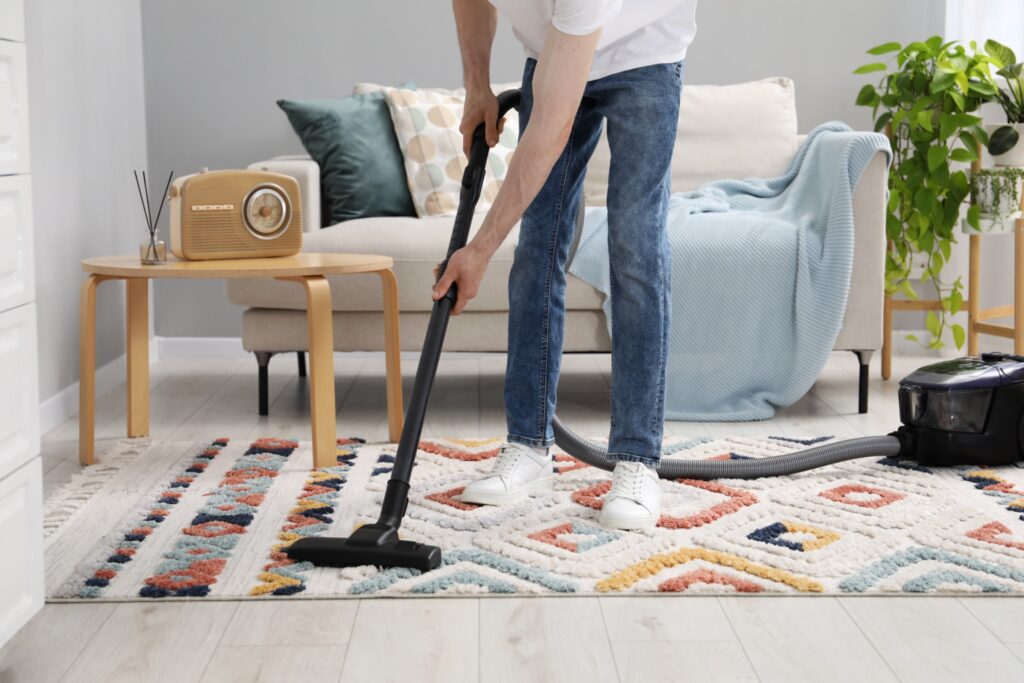
Pet hair hacks: Ruggable rugs are pet-friendly, but you’ll want to remove excess fur before washing. As mentioned, give the rug cover a good shake or vacuum before tossing it in the washer – clumps of pet hair can otherwise end up sticking to the rug or even clogging your machine’s filter. For particularly clingy pet hair, a lint roller or a rubber pet hair brush can work wonders on the dry rug cover. Another trick: lightly dampen a rubber glove and run your hand over the rug cover to gather hair into piles for easy removal. Regular vacuuming (at least once or twice a week in high-pet-traffic areas) will also keep hair from embedding in the rug fibers. And don’t forget the rug pad – pet hair can accumulate on the pad’s edges, so give that a quick vacuum occasionally too.
Banishing odors: If your rug has absorbed pet odors or general household smells, washing with vinegar is your secret weapon. Adding a half-cup of white vinegar during the wash (along with your detergent) helps neutralize odors without leaving a vinegar smell behind. Baking soda is another natural deodorizer – you can sprinkle a bit on the rug cover before washing (shake or vacuum it off first so it doesn’t leave powder in your washer). For a quick refresh between washes, sprinkle baking soda on the dry rug, let it sit for 15-20 minutes, then vacuum it up; this can absorb mild odors. Also, ensure you always dry the rug cover fully after washing – a damp rug that sits can develop a musty smell. If pet accidents are a frequent issue, consider using an enzymatic cleaner on the spot as a pre-treatment; these break down urine odors effectively before you wash. And for serious odor elimination, some laundromats offer ozone treatment (more on that below), which can completely neutralize smells from smoke, pets, or mildew.
Heavy use and high traffic: In a busy household or high-traffic area, your Ruggable rug will take a beating – but a few habits can extend its life. First, don’t wait too long between washes. It’s easy to let months slip by, but a rug in a busy living room or entryway benefits from washing every month or two. Regular cleaning prevents dirt from grinding into the fibers (which can cause premature wear). Vacuuming regularly, as noted, is key if heavy foot traffic is a factor; a quick vacuum a couple times a week lifts gritty particles that act like sandpaper on the rug. You might also rotate your rug 180° every so often if one side is getting more foot traffic – this can even out wear. Another tip for heavy-use rugs is to keep a spare cover if your budget allows; that way, you can swap the dirty cover out for a fresh one and keep the floor covered while you wash and dry the soiled cover. Finally, even though Ruggable covers are durable, try to avoid things like dragging heavy furniture across them, as that can damage the surface. Treating your rug cover with care during everyday use means it will look great wash after wash.
Common mistakes to avoid when washing your Ruggable rug
Even with a product designed to be easy-care, there are a few pitfalls to dodge. Here are some common mistakes people make with washable rugs – and how to avoid them:
Using hot water or high dryer heat: It might be tempting to crank up the temperature for a “deep clean,” but hot water can cause the rug cover to shrink or fade. Always stick to cold or cool water washes. Similarly, high heat in the dryer can shrink or damage the rug’s rubber backing. Low heat or air drying is the way to go. If you accidentally used a warm cycle once, don’t panic – one time might not ruin it, but repeated hot washes will take a toll.
Adding bleach or fabric softener: Bleach is too harsh for the rug’s materials (it can deteriorate fibers and remove color). Fabric softener leaves a coating that can actually stiffen or dull the fabric over time and may impact the rug’s moisture absorption. Ruggable covers really don’t need either of these. If you want extra softness or scent, use a mild scented detergent or a bit of white vinegar in the rinse cycle; vinegar will soften fabric naturally and neutralize odors without harmful effects.
Overloading the washing machine: Cramming the washer full with your rug cover (or throwing in lots of other laundry with it) is asking for trouble. An overstuffed machine won’t clean the rug evenly – dirt might stay trapped in folds – and it puts stress on your washer. Wash one rug cover at a time, and don’t add other items except perhaps a couple of towels to balance the load. Give the cover plenty of room to move in the drum for the best cleaning.
Washing the rug pad: We’ve said it before, but it bears repeating: the rug pad is not machine-washable. Submerging it can ruin its grip and structure. Always keep the pad out of the washer and dryer. Clean it by vacuuming and spot cleaning only. If a pad ever gets waterlogged (say, you accidentally spilled a bucket of water on it), air dry it thoroughly and don’t try to speed things up with the dryer, as the heat could melt or warp the rubber material.
Mixing the rug with other laundry: Throwing your rug cover in with a load of clothes or towels might seem efficient, but it can lead to problems. Other fabrics can shed lint that sticks all over your rug, especially because the rug’s underside has a hook-like texture. You might end up with a clean rug cover covered in fuzz. Additionally, heavy or coarse items tumbling with the rug could snag or abrade the rug’s surface. It’s best to wash the rug cover by itself for optimal results.
Not checking the care tag or instructions: While all Ruggable two-piece rug covers are machine washable, always double-check any specific care guidelines that came with your rug. There may be slight variations (for example, a shag-style cover might have special notes). The care tag will remind you of the basics like cold water only and no bleach. Following those will ensure you don’t inadvertently void any warranty or damage the rug by deviating from recommended care.
When to consider a laundry service for your rug
Washing a Ruggable at home is usually convenient, but there are times when outsourcing the task makes sense. You might not have a washer large enough for your rug, or you’re simply too busy to deal with a bulky rug cover. Here’s when a professional laundry service can help – and the options available:
Large rug or small washer: If your rug cover is too big for your home machine or you don’t have access to a washer, consider using a laundromat’s oversized washers or letting a service handle it. Many laundromats (like Spincycle Laundry in Chicago) offer convenient wash-and-fold service – you drop off the rug cover (or have it picked up) and professionals will wash, dry, and neatly fold it for you. This is great when you want a thorough job done without spending your own time on it.
Time savings with pickup: Busy schedule? Look into pickup and delivery laundry services. With a quick online booking, a driver will come grab your rug cover (along with any other laundry you have), wash it according to instructions, and deliver it back clean. It’s an excellent neighbor-approved solution when you simply can’t add “launder the rug” to your to-do list.
DIY at the laundromat: Maybe you don’t mind doing the washing yourself but need a bigger machine – that’s where self-service laundry facilities come in. You can take your rug cover to a local laundromat that has high-capacity washers, do the wash and dry on-site, and be done in an hour or two. It’s also a good option for apartment dwellers whose building machines are too small or who don’t want to tie up a shared machine for a long cycle.
Specialty odor removal: If your rug has serious odor issues (think pet urine smells that just won’t quit or smoke odor), you might consider an advanced cleaning option like ozone cleaning. Ozone treatment is a professional service that neutralizes odors at a molecular level – a huge help for rugs that need extra freshening beyond what regular washing can do. While not needed for most routine washes, it’s nice to know this option is available for those tough situations. At Spincycle, for instance, we offer ozone sanitization as part of our commitment to truly clean, odor-free laundry.
Overall, don’t hesitate to get a little help if washing a big rug becomes a hassle. Whether it’s dropping off at a wash-and-fold or scheduling a pickup, outsourcing the chore now and then can save you time and give you pristine results without lifting a finger.
How often to wash your Ruggable rug
One common question is how frequently you should be washing your machine-washable rugs. The beauty of Ruggable rugs is that you can wash them whenever they’re dirty – there’s no strict schedule – but having a routine helps keep your home fresh. For most households, washing the rug cover every 1 to 3 months is a good guideline. Rugs in low-traffic rooms (like a guest room) might only need a seasonal wash, while a rug in a busy entryway or a household with multiple pets might be closer to the every-month mark. Pay attention to your rug: if it looks dingy or you notice odors or increased allergens (sneezy around the rug), it’s time for a wash.
Of course, you can wash more often if needed. Experts note that Ruggable rugs are safe to wash as often as you desire – even weekly, in cases of extreme use or severe allergies. Don’t feel like you have to wait if there’s a spill or if someone in the house has a dust mite allergy; frequent washing won’t hurt the cover as long as you follow the proper gentle care. On the flip side, if the rug isn’t dirty, you don’t need to wash it on a strict timetable. Regular vacuuming and spot cleaning can extend the time between full washes. But as a rule of thumb, a seasonal wash (every few months) keeps things hygienic and prevents dirt buildup. Consistent cleaning will also help the rug maintain its vivid colors and “like new” appearance for years.
Troubleshooting common Ruggable rug issues
Even with proper care, you might encounter a few hiccups with your washable rug. Here are some troubleshooting tips for common issues:
“My rug still smells after washing.” If you’ve laundered your rug cover and it doesn’t smell as fresh as you expected, a couple things could be at play. First, ensure the rug was completely dried – a damp rug can harbor a musty odor. If it was dry and there’s still an odor (like stubborn pet urine or mildew smell), try washing it again with a cup of white vinegar added and make sure to use hot water safe for that specific odor issue only if the care instructions allow (generally stick to cold for routine washes, but an occasional warm wash with vinegar for odor is okay if the rug is otherwise clean and you air dry it). You can also soak the rug cover in a bathtub with cool water and a cup of baking soda for an hour before re-washing, which can help lift deep odors. Don’t forget to check the pad: if the pad got soiled (for instance, urine may have penetrated), it could be the source of lingering smell. Clean the pad thoroughly with a vinegar and water solution, then let it dry fully. In persistent cases, consider an ozone treatment or professional cleaner for odor elimination. The good news is machine-washable rugs rarely hold onto smells if cleaned properly, so a bit of extra treatment should solve the issue.
“The cover seems smaller or shrunken.” If your rug cover shrank a bit and is harder to fit on the pad after washing, it likely got exposed to heat (or possibly washed in warm/hot water). Even a high-heat dryer cycle can cause slight shrinkage of the fabric or backing. The first thing to do is not panic – often you can stretch the rug cover gently back to shape. Lay it flat and use your hands to tug the material back out along the edges. You can also reattach it to the pad starting at one end and slowly smoothing it; the pad will help stretch the cover to its original dimensions. If the cover is just a tad snug, this method usually works, especially while the cover has a tiny bit of residual dampness (damp fibers stretch easier). Moving forward, be diligent about cold water washes and low heat or air drying only. In very rare cases of severe shrinkage (e.g., a high-heat dryer run that drastically altered the size), you might need to contact the manufacturer – but generally following care instructions prevents this issue.
“After washing, the rug or pad won’t lay flat.” There are a couple of scenarios here. If the rug cover has wrinkles or curled edges from the wash, the fix is usually simple: reattaching it to the pad with the rolling method and smoothing it out should do the trick. Take an extra moment to adjust and pull the cover so it aligns properly with the pad edges. If some wrinkles persist, use the low-heat iron trick mentioned earlier. Iron on the top side of the rug (never directly on the rubber backing) with a barrier cloth if needed, and those creases will flatten out. If the rug pad itself won’t lay flat (perhaps it was folded or stored awkwardly), try warming it up a bit. You can lay the pad in the sun for an hour or use a hair dryer on a low setting to gently heat the rubber – this makes it more pliable. Then lay it out flat on the floor; it should relax and flatten as it cools. Another tip: flip the pad over. Sometimes reversing the pad can help it grip the floor better if it was curling. Also ensure the floor beneath is clean and dry; any dust or dampness can cause the pad to slip or bunch. Between these methods, you should be able to get both pieces to lay nice and flat.
“There’s still a stain on the rug after washing.” A single wash might not remove every tough stain, especially if it wasn’t pre-treated. If you spot a lingering stain, don’t throw in the towel. Apply a stain remover or a mixture of hydrogen peroxide and a few drops of dish soap (a known DIY stain solution) to the area, let it sit for 10-15 minutes, then wash the cover again. Avoid using bleach, as it could lighten the pattern around the stain. For things like oil-based stains, you might need to treat multiple times. The key is to address stains promptly next time – the sooner you treat and wash, the better the outcome. If a stain simply won’t budge after a couple attempts, it may be set permanently, but at least the rug is clean and you can position furniture or a pet bed over that spot if it’s an eyesore. The upside with a Ruggable is that if all else fails, you can eventually replace just the cover and reuse the pad.
“My washing machine can’t handle the rug.” If you find that your washer was straining or the rug didn’t get fully clean, you might be at the machine’s limit. Don’t risk breaking your appliance. Instead, take the rug to a larger machine as discussed or split the task – perhaps wash half the rug at a time if it’s an option (some very large covers could possibly be washed one end at a time in a small machine, though it’s not ideal). Often the easiest solution is using a laundromat or a friend’s oversized washer for the big rugs. It’s a lot cheaper than a washer repair! For next time, you could even opt for a slightly smaller rug size that fits your home setup better if frequent washing is anticipated.
With these tips and guidelines, washing your Ruggable rug “the right way” should be a breeze. You’ll enjoy the benefits of a clean, fresh rug without the headache of traditional rug cleaning methods. By properly caring for the cover and pad, avoiding common mistakes, and knowing when to get a little help from the pros, your washable rug will stay vibrant and last for many washes to come. Happy cleaning!