How to Wash Laundry in the Bathtub
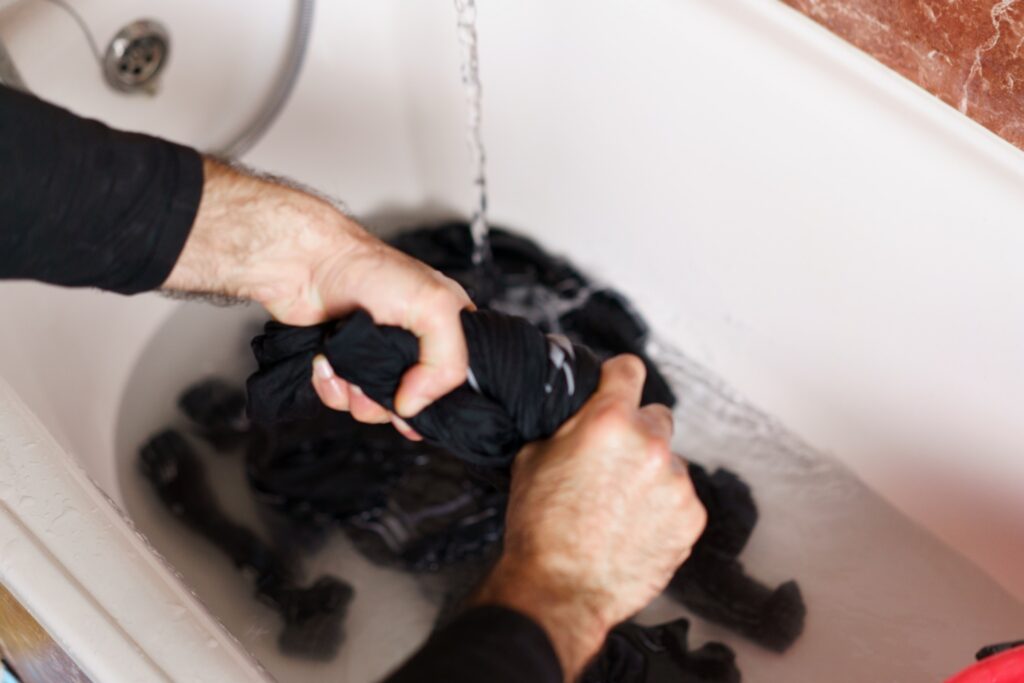
If your washing machine is out of commission or you simply don’t have one, washing laundry in the bathtub is a practical alternative. Hand washing laundry in a tub or sink is a useful skill for apartment living, travel, or anytime you want to gently clean clothes without a machine. It’s also gentler on delicate fabrics that might not survive a rough machine cycle.
Even Whirlpool’s appliance experts note that with a few basic supplies and some hand-powered agitation, you can thoroughly wash clothes without a machine (see Whirlpool’s guide to washing clothes without a washer). In the guide below, we’ll walk you through the step-by-step process of washing clothes in a bathtub or sink – from prepping your tub to drying your garments – and share plenty of tips along the way. You’ll also learn common mistakes to avoid, some clever manual washing tricks, and when you’re better off using a laundromat or laundry service for those bigger loads.
Supplies You Need for Washing Clothes in a Tub
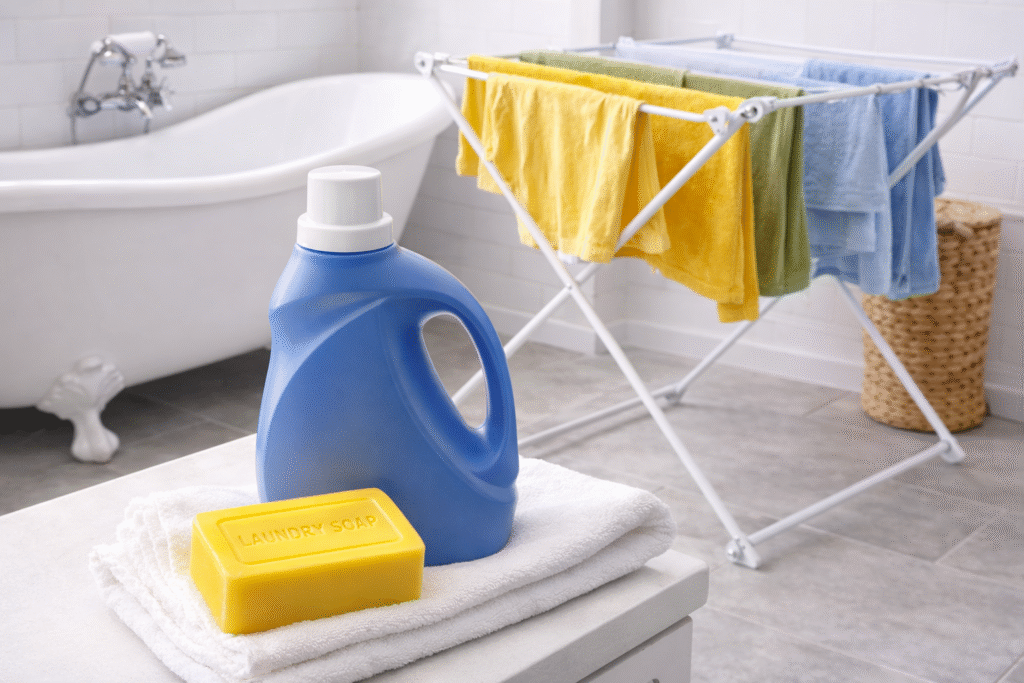
Before you begin washing laundry without a washer, make sure you have the right setup and supplies. Prep your bathtub or sink and gather the following:
- A clean tub or sink: Always scrub the basin first. Residue from bathtub cleaners (especially bleach-based ones) can transfer to your clothes and cause permanent stains. Give the tub or sink a thorough rinse before starting – a clean tub equals cleaner clothes.
- Detergent or soap: Use a small amount of laundry detergent (liquid or powder) or a dedicated laundry bar soap. Detergent sheets are also a convenient option that dissolves easily. If you’re in a pinch with no laundry detergent, a teaspoon or two of dish soap or shampoo can work as a substitute (just avoid laundry pods, as they may not dissolve properly for hand washing).
- Water (the right temperature): Fill your tub about halfway with cool to lukewarm water. Hot water can shrink or fade fabrics, so use it only for sturdy, colorfast items that call for it. In most cases, cold or warm water is gentler on clothes and still effective for cleaning.
- Drying space: Plan where you’ll hang or lay your clothes to dry. Have a folding drying rack, shower rod, or clothesline ready. Even a clean towel spread out on a flat surface can work for laying sweaters or delicates to dry. Good airflow (like an open window or a fan nearby) will help everything dry faster once you’re done washing.
Step-by-Step: How to Wash Clothes in a Bathtub or Sink When You Don’t Have a Washer
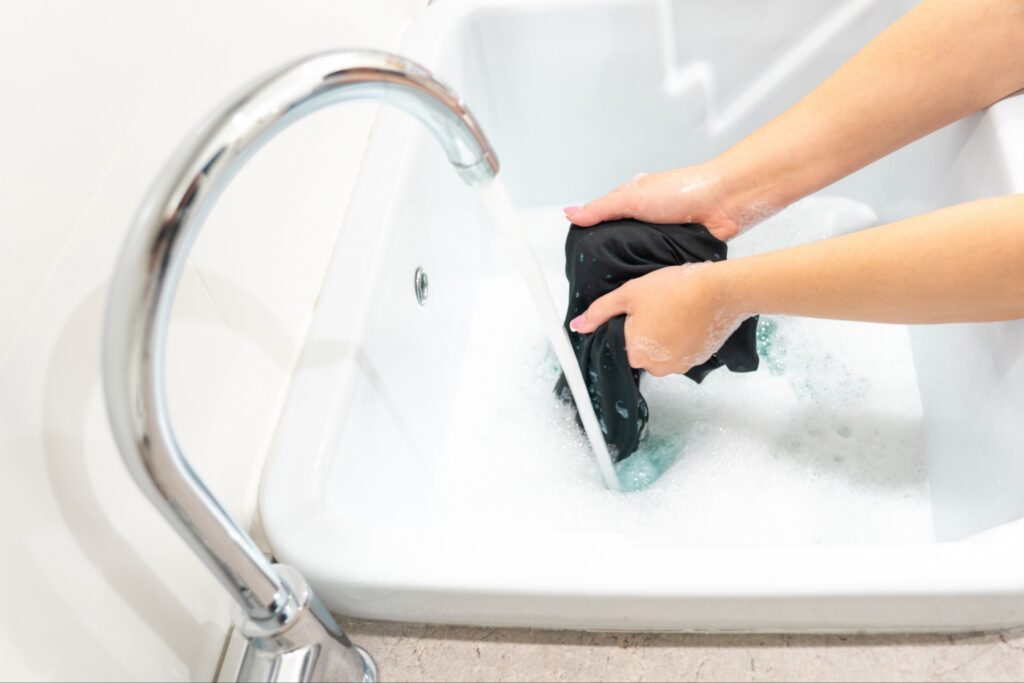
Washing clothes by hand in the bathtub is straightforward. It involves soaking, swishing, and rinsing – no electricity needed. Follow these steps to get your clothes clean:
- Sort your laundry. Just like with machine washing, separate your clothes before washing. Keep whites, darks, and bright colors in different piles to prevent color bleed. Also sort by fabric type – for example, wash heavy jeans and towels separately from delicate blouses. It’s best to work in small batches that fit comfortably in your tub or sink without crowding.
- Pre-treat stains and soak. Check each item’s care label for any special hand-wash instructions. If you spot stains or extra-dirty areas, apply a little liquid detergent or stain remover to those spots first. Gently rub it in with your fingers or a soft brush, and let it sit for about 15 minutes. Next, fill the tub with enough water to fully submerge your clothes. Add a teaspoon or two of detergent to the water and swish it around so it dissolves. Then put in your clothes. Let them soak for at least 10–15 minutes (or up to 30 minutes for heavy soil) so the soap can loosen grime.
- Agitate the clothes. Now it’s time to mimic the washing machine’s agitation. With the clothes soaking in the soapy water, use your hands to gently swirl and swish them around. Lift and squeeze each garment under the water, and rub fabrics against each other to help work out dirt (for example, scrub a shirt against itself). You can also push and pull a garment like a plunger to move water through the fibers. Make sure every part of each item gets moved through the water. If the water becomes very dirty, consider draining and refilling with fresh soapy water for another wash cycle.
- Rinse thoroughly. Once the clothes look clean, drain the tub and press out the soapy water from the fabrics. Refill the tub (or move everything to a separate basin) with clear cool water. Rinse each item by swishing and squeezing it in the clean water. You may need to rinse and drain multiple times – repeat until you see no more soap suds. Proper rinsing is key to prevent any detergent residue that could leave clothes stiff or irritate your skin.
- Wring out excess water (gently). After rinsing, gently squeeze out as much water as you can from each garment. Be careful not to twist or wring them too harshly, especially for knits or delicates, as that can stretch or damage the fibers. For heavier items like blankets or jeans, you can press them against the side of the tub to force out water. The goal is to remove as much water as possible so that drying won’t take forever.
- Dry the clothes. Hang or lay out each item to air dry. Heavy items like sweaters or bath towels will dry faster on a drying rack or clothesline than bunched up on a hanger, so spread everything out to allow airflow. If dripping is an issue, place a towel under hanging clothes or dry them in the tub/shower area. For an extra speed-up, take each wet item and roll it up in a clean, dry towel, then squeeze – the towel will soak up a lot of moisture. Afterwards, hang your clothes or lay them flat. Positioning a fan nearby or opening a window can also help things dry more quickly. With a bit of patience, your laundry will be fresh and clean, all without using a washing machine!
Washing Laundry in a Sink vs. a Bathtub
Maybe you only have a sink available, or you’re deciding between using the sink and the tub for a small load. You can hand wash laundry in either, and the steps remain the same, but there are a few differences to consider:
- Batch size: A sink is ideal for washing a few small items (think socks, underwear, or a single shirt at a time). It holds less water, which means it’s quicker to fill and drain, but you can’t fit much in it. A bathtub can handle larger or multiple items at once – you could wash a couple of pairs of jeans and a sweatshirt together, or even a bedsheet – thanks to the extra space.
- Comfort and ease: Washing in a sink can be easier on your back since you can stand upright at the sink. With a bathtub, you’ll likely be kneeling or bending over, which can get tiring if you have a lot to wash. On the other hand, the tub gives you more room to really agitate clothes without splashing water everywhere. In a sink, you’ll need to be a bit more careful and gentle due to the limited space.
- Water usage: Because a tub has a much larger volume, it uses more water to do the same amount of laundry. Filling a whole bathtub and doing multiple rinse cycles can use a significant amount of water. A sink, being smaller, uses far less water per batch. If you only have a few items, a sink is more water-efficient. For bigger loads, the tub lets you wash more at once but will naturally require more water.
Whichever you choose, remember to plug the drain so you can soak the clothes, and be sure to clean the basin beforehand. (You can even use a large plastic storage bin or bucket as a wash basin in a pinch – the method will be the same!)
Common Mistakes to Avoid
Hand washing clothes is pretty straightforward, but a few missteps can make it harder than it needs to be. Avoid these common mistakes when washing laundry without a washer:
- Using too much detergent: It’s tempting to pour in a generous amount of soap, but don’t. Excess detergent leads to a ton of suds that are difficult to rinse out. You might end up rinsing over and over and still have soapy residue, which can make clothes stiff and scratchy. Stick to a small amount of detergent (a teaspoon or two) for a small tub of clothes.
- Not cleaning the tub first: If the tub or sink is dirty, your clothes will pick that up. Also, any leftover cleaning chemicals (especially bleach) can harm fabrics. Make sure you’ve rinsed out the tub thoroughly before you start washing clothes in it. This way you won’t get grime or cleaner residue on your laundry.
- Mixing incompatible items: Don’t wash heavy, bulky items together with very delicate ones. Rough fabrics like denim can abrade more delicate fabrics (like silk or lace). Similarly, avoid mixing light-colored or white clothes with dark or richly dyed items in one batch – colors can bleed in the wash water and stain other garments.
- Overloading the tub: Cramming too many clothes in a single wash will prevent them from getting truly clean. If the garments can’t move around freely in the water, dirt won’t come out and rinsing will be spotty. It’s better to do two smaller loads than one giant one that your arms (and the clothes) will struggle with.
- Using water that’s too hot: While warm water can help clean very dirty items, hot water can also shrink or fade many fabrics. Unless a clothing label specifically calls for hot water, stick to cool or warm. You’ll reduce the risk of damage and color bleed, and most detergents clean well in cold water nowadays anyway.
- Wringing or twisting aggressively: Avoid the urge to wring out garments with all your might. Twisting clothes too hard can stretch fibers, ruin the shape of your garment, or set in wrinkles that are hard to remove. It’s better to gently squeeze out water and let gravity do the rest while drying. Use the towel rolling trick to remove more water instead of wringing.
- Insufficient rinsing: A quick once-through rinse might not be enough. If any soap remains in the fabric, your clothes could feel sticky or stiff when dry, and detergent residue might irritate your skin. Rinse until the water is clear. It may take an extra minute or an extra tub of water, but it’s worth it for soft, comfortable results.
- Trying to hand wash with laundry pods: Skip the detergent pods for bathtub laundry. Pods are made for the high agitation of washing machines; they might not dissolve fully with just manual mixing. This can leave concentrated detergent goo on your clothes (or your hands). It’s safer to use liquid or powder detergent that disperses readily in water when hand washing.
Manual Laundry Methods and Tools
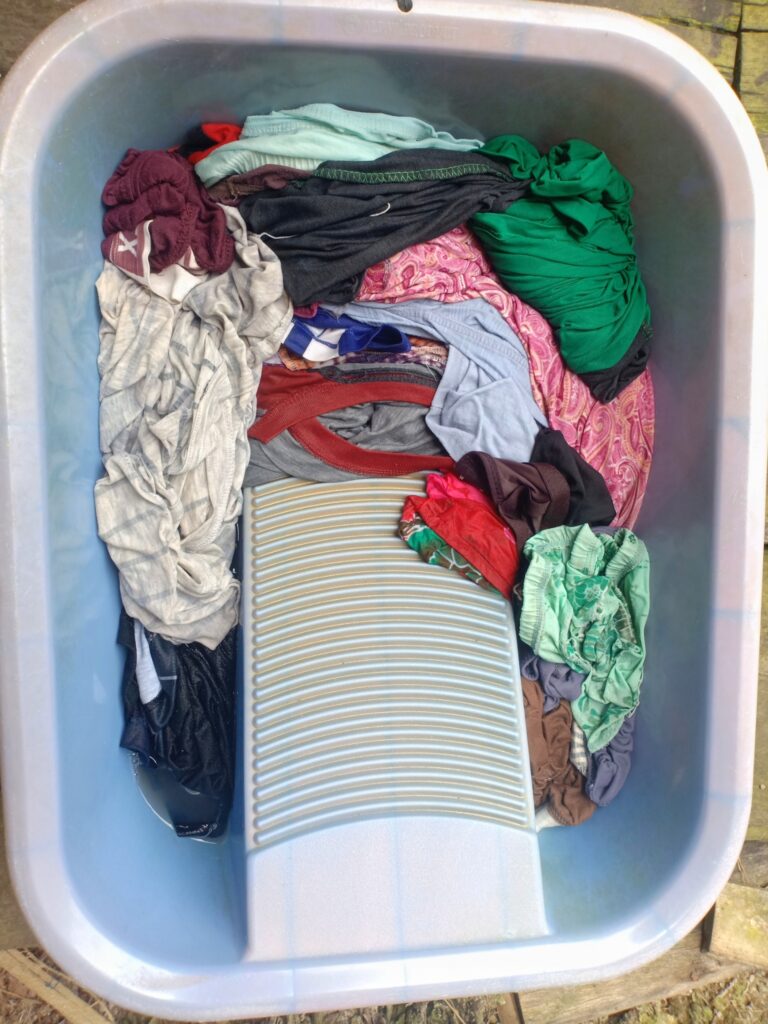
Scrubbing clothes by hand can be hard work, but a few simple tools and tricks can make the job easier (and even a bit fun). Here are some manual laundry methods people use to help agitate and wash clothes when doing laundry by hand:
- The plunger method: Yes, a clean toilet plunger can be your best friend for bathtub laundry. Make sure it’s a brand-new or well-sanitized plunger reserved for cleaning clothes (not one that’s seen the inside of a toilet). After you add your clothes and detergent to the tub, use the plunger to push down and pull up, churning the water and clothes like a washing machine agitator. This creates a strong swirl and really helps push water through the fabrics. It saves your arms some effort and can be surprisingly effective at loosening dirt.
- Washboard or scrub board: This classic tool from the old days is still handy for stubborn dirt. A washboard is a flat board with ridges that you set in a tub or basin. You can rub especially dirty garments (like muddy jeans or work shirts) against it to scrub out grime. It gives more friction than your hands alone. Just be gentle and use plenty of water; a washboard is best for sturdy fabrics that can take a bit of scrubbing. It’s an optional tool, but if you happen to have one or find one, it can speed up cleaning tough spots.
- “Foot stomping” method: If you’ve ever seen people crushing grapes with their feet, you get the idea! For a bit of fun (especially if you have kids who want to help), you can actually stomp on the clothes with clean bare feet in the tub. This method works best if you’re using a mild, skin-safe soap in the water (so you don’t irritate your feet). By marching in place on the laundry, you mimic a washer’s agitation while keeping your hands out of the water. It’s surprisingly effective for sheets, jeans, and other sturdy items. Just take care – hold on to something to keep your balance and watch out for splashes!
As one clever at-home hand washing laundry guide notes, even a simple plunger or some creative footwork can significantly speed up the process of hand washing. You don’t need fancy equipment – just a bit of ingenuity. Other handy tools include things like scrub brushes (for collars or stains) or specialized hand-crank “portable washers,” but the methods above will do the trick using common household items.
Downsides of Hand Washing Laundry (and Water Use)
Washing laundry without a washer is certainly doable in a pinch, but it does have some downsides. Here are a few realities to consider – basically, when hand washing becomes more hassle than help:
- Time and labor: Hand washing is time-consuming and labor-intensive. You can’t just start the machine and go relax; you need to be there for the whole process. Between filling the tub, scrubbing each item, multiple rinses, and wringing everything out, a single load can take quite a while. It’s good exercise, but it will cost you in time and effort.
- Water usage: Using a bathtub full of water (plus refills for rinsing) can use a lot of water, especially if you have multiple loads. In fact, if you wash big loads frequently by hand, you might end up using more water over time than an efficient washing machine would. For an occasional small load, hand washing can save resources, but it’s not very water-efficient for large scale laundry.
- Cleaning power and drying: While hand washing does get clothes clean, it might not match the deep cleaning of a machine for heavily soiled items. Washing machines also spin out much of the water at the end of a cycle, which hand washing can’t do. That means your hand-washed clothes will be dripping and take longer to dry. If you live somewhere humid or don’t have good drying space, that extra drying time can be inconvenient.
- Physical strain and mess: Lifting and wringing out heavy wet clothes can be a workout. If you have a bad back or limited strength, it’s genuinely tiring to do multiple loads by hand. There’s also the potential mess of splashing water on the floor or dripping water as you transfer clothes to dry. It’s all manageable, but these are factors to think about if you plan to hand wash a lot of laundry.
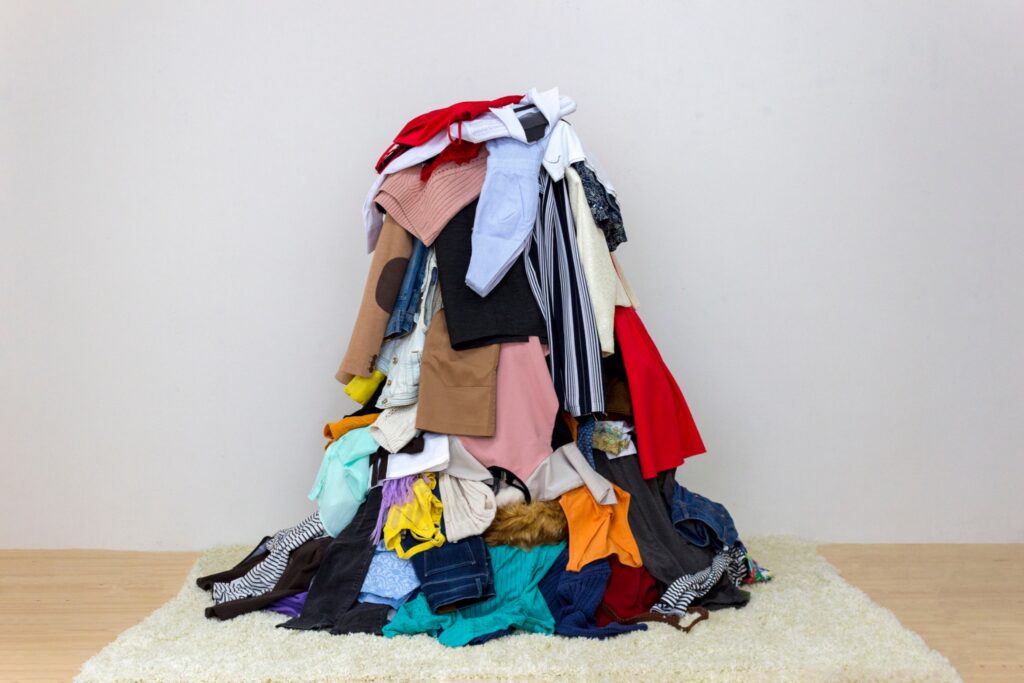
- Not practical for large loads: Doing a whole family’s laundry in the tub would be an all-day (or multi-day) affair. For large quantities of clothes, hand washing simply isn’t very practical. At a certain point – when you have mountains of laundry – the convenience of a washing machine or laundromat really outweighs the costs of hand washing. That’s when it makes sense to seek out a machine or service rather than scrubbing 20 shirts one by one.
When to Consider Laundry Services Instead
If your laundry pile is growing beyond what a bathtub can handle, it might be time to give yourself a break and use a professional service. For example, when you have a giant mountain of clothes or bulky items like comforters to wash, consider heading to a self-service laundry where you can use multiple machines and handle large loads in a fraction of the time.
For the ultimate time-saving solution, you can also opt for a convenient wash & fold service. Many laundromats (including SpinCycle) even offer pickup & delivery, where you schedule a pickup and get your laundry returned fresh and neatly folded without any effort. Using these services saves you hours and ensures your clothes are professionally cleaned – an ideal solution if you have frequent bulk laundry or just want to reclaim your time.