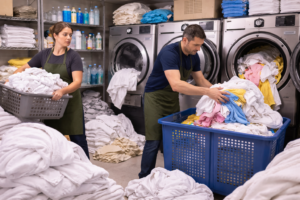
Warm Water vs Cold Water Laundry
Does laundry really get cleaner in hot water? Or can cold water handle the job just as well? We hear this debate all the time from our neighbors here in Chicago. Choosing between warm vs. cold water might seem minor, but it makes a big difference in your clothes’ lifespan, your energy bill, and even how well stains come out. We’re clean-obsessed enough to know that water temperature matters – and we’re here to break down when to turn up the heat and when to keep it cool.
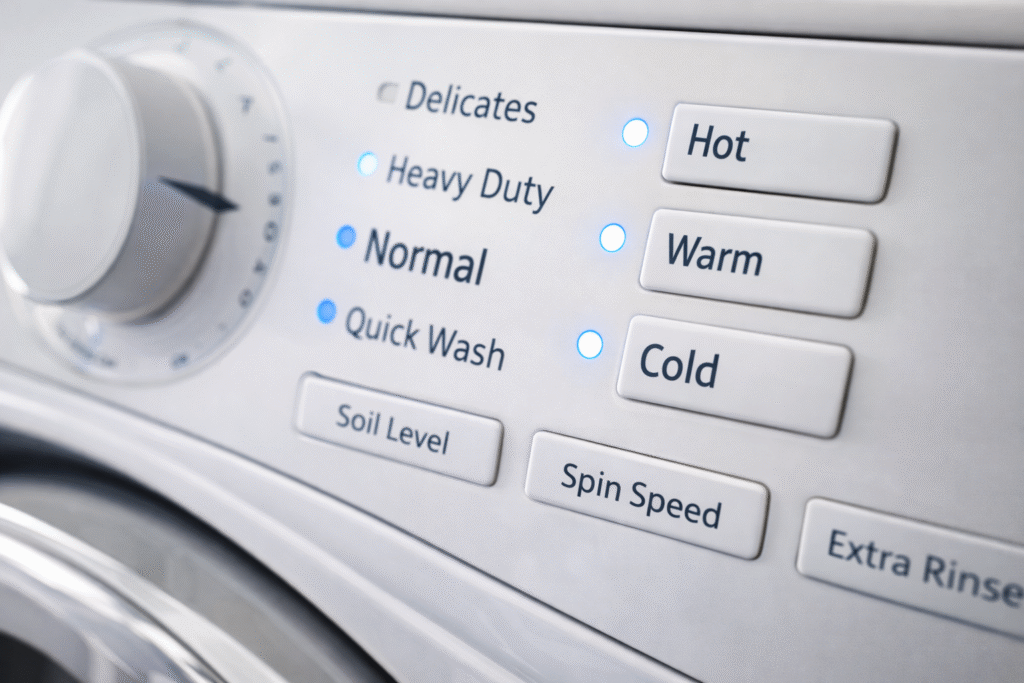
Why Water Temperature Matters
Simply put, water temperature impacts how effectively your laundry gets cleaned and how long your fabrics last. Hot water can dissolve heavy soils and kill germs, while cold water is gentler on fabrics and colors. Modern detergents are designed to work well in cold water, which means you don’t always need scalding heat to get clothes clean. At the same time, certain messes (and microbes) only respond to higher heat. That’s why picking the right wash temperature is key – it balances cleaning power with fabric care and energy usage.
Fabric Care and Safety at Different Temperatures
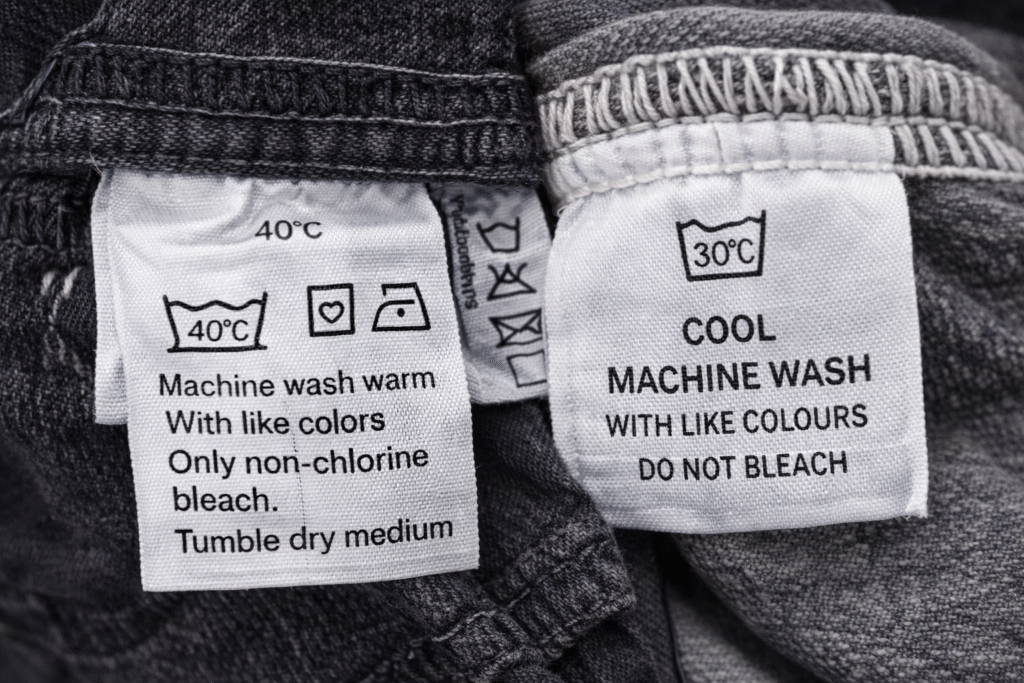
Different fabrics have different temperature tolerances. Delicate materials like silk, lace, or wool can shrink, fade, or get damaged if washed in hot water. We stick to cold water for those items to play it safe. Sturdy fabrics such as cotton towels or denim jeans, on the other hand, can handle warm or even hot washes when needed. Synthetic blends (polyester, nylon) usually do fine in warm water, but anything with elastic fibers (think activewear or stretchy jeans) prefers cold to avoid losing its stretch. The general rule: always check the garment’s care label for its recommended water temperature. When in doubt, cooler water is safer and gentler on your clothes.
Stain Removal: Does Hot or Cold Water Work Better?
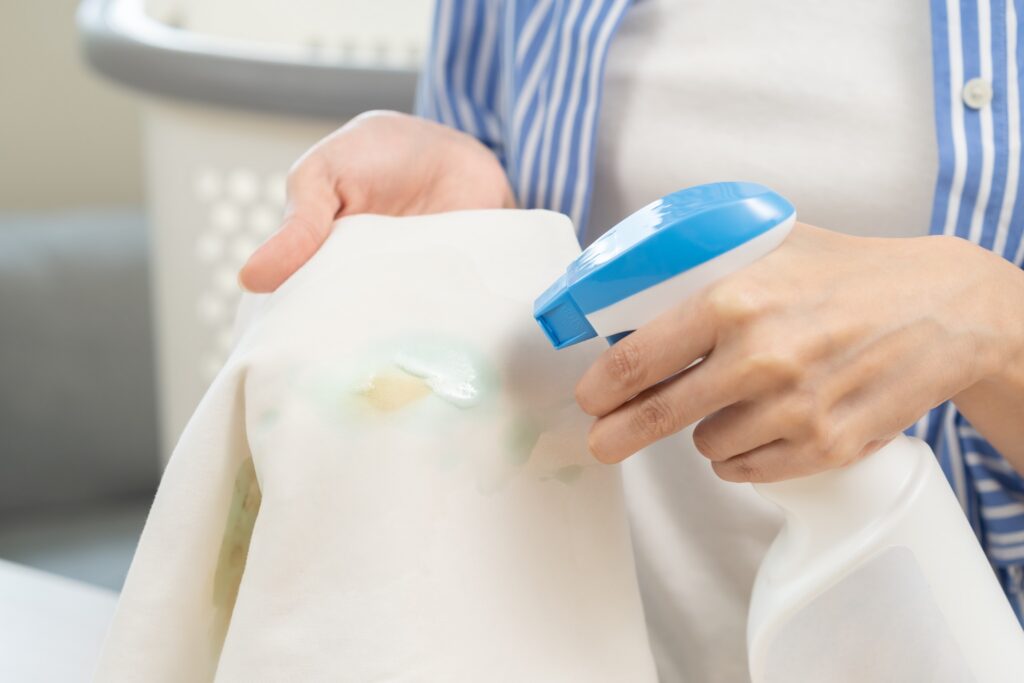
For stains, the right water temperature can mean the difference between a clean shirt and a permanent spot. As a rule, start stain treatment with cold water. Hot water can actually “cook” many stains – especially protein-based ones like blood, sweat, or milk – making them set into the fabric. For example, rinsing a fresh blood stain in cold water helps prevent it from bonding to fibers. Similarly, cold water is best for mud or chocolate stains initially, because it keeps the proteins and pigments from locking in. On the other hand, oily stains (think salad dressing or motor oil) come out more easily with warm or hot water, which helps dissolve grease. Often the best approach is a one-two punch: begin with a cold rinse or soak, then wash in warm water for a thorough removal.
If you’re dealing with a really tough stain, don’t be afraid to use a little chemistry – pre-treat with a quality detergent or stain remover, then choose the water temperature that fits the stain type. You can find detailed stain removal tips for laundry from appliance experts, but here’s our quick cheat-sheet: use cold water first for stains like blood, sweat, chocolate, wine or mud; use warmer water for greasy stains like oils and butter. And always inspect the item after washing but before drying – if a hint of the stain remains, treat and wash it again (the heat of your dryer can make any lingering stain much harder to remove).
Hot Water Risks: Fading, Shrinking and Color Transfer
While hot water can sanitize and remove heavy grime, it isn’t gentle on everything. High heat opens up fabric fibers, which can cause dyes to bleed out or fade faster. If you’ve ever washed a brand-new red shirt in hot water and ended up dyeing your socks pink, you’ve seen color transfer in action. Dark and bright clothes tend to keep their vibrancy much longer when washed in cold water because cooler temps are less harsh on the dye. Hot water can also make clothes shrink, especially natural fibers like cotton and wool. That favorite pair of jeans or that comfy t-shirt may get a bit tighter after too many hot washes (and don’t even think about hot-washing a wool sweater unless you want it child-sized). Even elastic materials in activewear or lingerie can lose their stretch when exposed to high heat. In short, frequent hot-water washes will wear out some fabrics faster. Many laundry pros caution against using hot water on delicate or colorful garments for exactly these reasons.
When to Use Hot Water for Laundry
Despite the risks, there are times when a hot wash is not only okay – it’s preferable. Use hot water (around 130°F or higher) for loads that need deep cleaning or sanitizing. This includes sturdy whites and light-colored linens (like bed sheets and pillowcases) that can handle the heat, as well as bath towels. Towels, sheets, and kitchen linens accumulate body oils and germs, and a hot wash helps remove that built-up grime and kill bacteria. Hot water is also your ally when someone in the household is ill: washing a sick family member’s bedding, towels, or underwear in a hot cycle can help disinfect and stop the spread of illness. Similarly, if you’re laundering reusable cloth diapers or heavily soiled work uniforms, high heat will deliver a much more thorough clean. In fact, many washing machines offer a special sanitize cycle on a washer for these situations, using an extra-hot wash to eliminate as many germs as possible.
When to Use Cold Water for Laundry
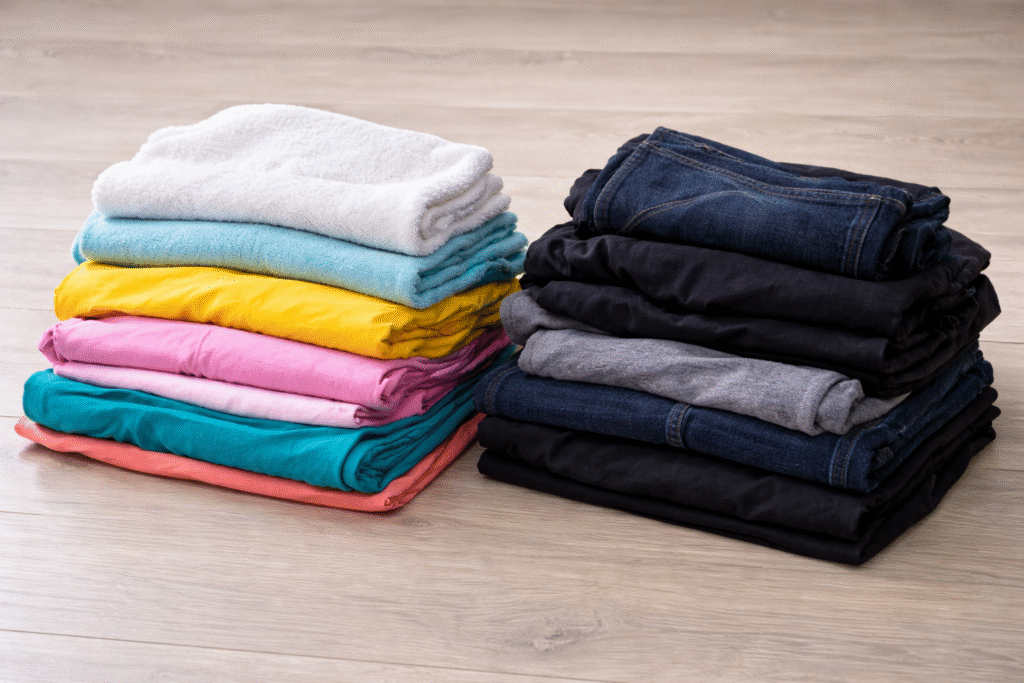
For most day-to-day laundry, cold water is a smart choice. We recommend cold washes for bright or dark-colored clothing to prevent fading and dye transfer, and for any delicate or loosely woven fabrics that might shrink in heat. Got a closet full of jeans, leggings, or workout gear? Wash them cold – your stretchy athletic wear and dark denim will thank you, since cold water helps preserve their color and fit. Cold is also the eco-friendly option: if you’re looking to save energy and cut down on utility costs, sticking to cold washes is the way to go. Everyday lightly soiled clothes will get perfectly clean in cold water as long as you use a quality detergent. Plus, cold water puts less wear and tear on fibers in general, helping your favorite outfits last longer.
Energy Savings: Cold vs Warm Wash
One of the biggest arguments for washing in cold water is the energy savings. Heating up water for laundry uses a lot of electricity or gas. In fact, washing clothes in cold water uses roughly one-tenth of the energy a hot wash would use – a huge difference! That means each cold load is easier on the planet and on your wallet. You’ll save on your utility bills by not firing up the water heater for every load.
Cold washes are especially practical in a climate like Chicago’s, where tap water can be icy in winter (and thus requires even more energy to heat). Even opting for warm water instead of hot will reduce energy use, but cold is by far the most efficient choice. In chilly weather, using “cold” on your machine might actually be very cold – another reason modern washers often add a bit of warm to reach an optimal cold. All told, choosing cold whenever possible is one of the simplest green choices you can make on laundry day.
Best Water Temperature by Laundry Load Type
Not sure which temperature to choose for a specific load? Here’s a quick guide by laundry type:
- Everyday clothes: Cold water is generally sufficient for your day-to-day t-shirts, jeans, and mixed laundry loads. It removes light dirt and sweat while being gentle on colors and fibers. (Use warm water only if you have a particularly dirty load with heavy soil.)
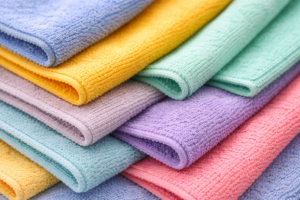
- Bedding & towels: Hot water. Bedsheets, pillowcases, bath towels and kitchen towels can handle high heat, which helps strip away body oils, odors, and dust mites. A hot wash (or a sanitize cycle) keeps these items fresh and hygienic.
- Baby clothes: Warm water. Baby items and cloth diapers often need thorough cleaning, but hot water can be too harsh on tiny garments and the elastic in baby outfits. A warm wash with baby-safe detergent will clean and sanitize everyday baby clothes. Use hot water only for heavily soiled articles (like cloth diapers or crib sheets after an illness), and always do an extra rinse to protect a baby’s sensitive skin.
- Activewear & sports gear: Cold water. Performance fabrics (athletic leggings, swimwear, gym towels) and any clothing with spandex or elastic do best in cold to maintain their stretch and fit. Cold water also helps prevent funky sweat odors from setting into the material.
- Delicates: Cold water. Lingerie, silk blouses, lace items, and wool sweaters should be washed in cold on a gentle cycle (or hand-washed). Hot water can shrink or warp these fragile pieces, so stick to cold to play it safe.
Consistent Temperatures: Laundromat vs Home Washer
Ever set your home washer to “hot” and wondered why the water didn’t feel all that hot? You’re not imagining it. Many older home machines don’t always reach or maintain the temperatures you select. “Warm” might end up cooler than expected if your water heater is far from the washer or if the machine automatically adds cold water to save energy. In Chicago winters, tap water comes out extremely cold, which can make the “cold” setting in a home washer much colder than detergents ideally need. All this variability means you might not be washing at the temperature you think you are.
This is where commercial laundromat machines have the edge. Our self-service laundry washers are built to deliver consistent, accurate water temperatures for every cycle. When you choose a hot wash, you get a true hot wash – ideal for sanitizing linens or removing heavy soil. And when you choose cold, our machines won’t shock your clothes with ice-cold water; they’ll use a cold setting that’s effective but gentle. The precision of commercial machines means your detergent can do its best work, and your clothes get cleaned as intended. We even utilize an advanced ozone sanitization system in our facility, which lets us achieve hospital-grade cleaning in cold water. That way, you get the disinfecting benefits of hot water without the fabric damage or the energy waste.
Bottom line: choosing the right water temperature for each load will keep your clothes clean, bright, and lasting longer – all while saving energy. But if sorting fabrics and fiddling with washer settings isn’t your idea of a good time, we’ve got you covered. Skip the guesswork and reclaim your free time by using our laundry services instead. Schedule a laundry pickup and delivery or drop off your hamper for wash-and-fold service, and we’ll make sure every item is washed at its optimal temperature. Whether it’s a cold wash for your favorite jeans or a hot sanitizing cycle for the bedding, your laundry will come back fresh, clean, and perfectly cared for – neighbor-approved.