Laundry Detergent vs Fabric Softener
Anyone new to doing laundry might wonder about the difference between laundry detergent and fabric softener. They often sit side by side on store shelves, but they serve very distinct purposes. In simple terms, laundry detergent is your main cleaning agent – it’s formulated to remove dirt, stains, and odors from fabrics. Fabric softener (also called fabric conditioner) doesn’t clean at all; instead, it’s an additive used to soften clothes, reduce static cling, and add a fresh scent in the final rinse. Think of detergent as the shampoo for your clothes and softener as the conditioner. You typically use both in a full laundry routine: detergent in the wash cycle to get things clean, and softener in the rinse cycle to make fabrics feel softer and smell pleasant.
It’s important not to mix up their roles. Using only fabric softener will make your clothes smell nice and feel a bit smoother, but they won’t be truly clean. On the flip side, washing without detergent means stains and oils won’t fully come out. To avoid confusion, always remember: detergent = cleanser, softener = post-wash enhancer. Next, we’ll break down how each product works, when to use them, and how to avoid common mistakes.
What Does Laundry Detergent Do?
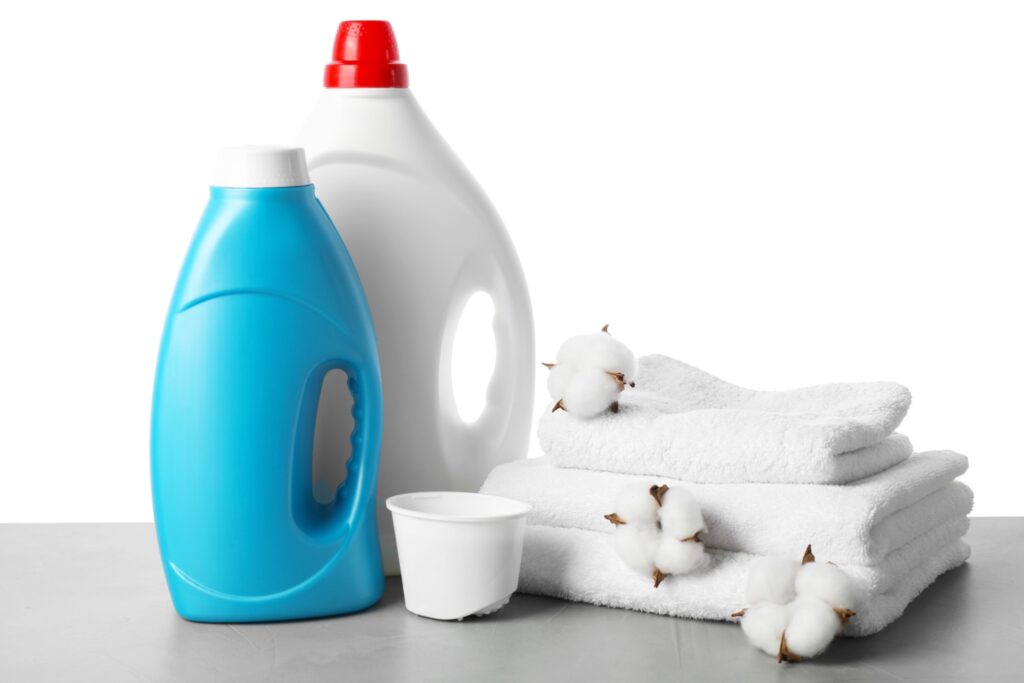
Laundry detergent is a cleaning powerhouse designed to lift away grime and stains from your clothing. Detergents contain special cleaning agents called surfactants that surround and break up oils and dirt, allowing water to wash them away. Whether you use liquid, powder, or pods, all detergents serve the same function: removing sweat, food spills, mud, and other contaminants from fabric fibers. Modern detergents often also include enzymes to target specific stains (like proteins or oils), and brighteners to keep colors vibrant.
You add detergent at the start of the wash cycle, and it works in the wash water to clean your garments. Using the right amount is key – too little detergent may not get clothes clean, while too much can leave behind residue. Unlike softeners, never skip detergent when doing laundry. It’s the essential step for hygiene. If you’re washing delicates or specialty fabrics, you might opt for a gentle detergent formulated for those items, but you still need some form of detergent for effective cleaning. Remember that detergent alone may not make clothes fluffy or fragrant – its job is strictly to clean. Any softness or scent from detergent is usually incidental or due to added fragrance. For true softness and fresh scent, that’s where softener comes in (after the clothes have been washed).
Potential detergent downsides: While detergent is a must, using it improperly can cause issues. Using too much or not rinsing thoroughly can lead to detergent residue on clothes (that stiff or filmy feeling). This residue can also build up inside your washing machine over time. Some harsh detergents might fade fabrics or irritate sensitive skin, especially if you don’t choose a formulation that suits your needs. The good news is many detergents today are formulated to rinse clean and there are hypoallergenic or eco-friendly options available. In fact, professional laundry services like Spincycle can even cater to preferences by using gentle, fragrance-free detergents for people with allergies or sensitive skin. The main takeaway: use a quality detergent, measure it correctly, and your clothes will come out clean without damage.

What Does Fabric Softener Do (and How Does It Work)?
Fabric softener is a laundry additive used during the rinse cycle (after detergent has done its job). As the name suggests, it makes your clothes softer to the touch. How? Liquid fabric softeners (or their cousins, dryer sheets) deposit a very thin coating of chemicals on fabric fibers. This coating does a few helpful things: it lubricates the fibers to reduce friction, which makes them feel smoother and less stiff; it neutralizes static electricity, so you get far less static cling (no more socks stubbornly sticking to shirts!); and it often infuses a pleasant fragrance that many people associate with “clean laundry.” Essentially, fabric softener is about enhancing texture and smell, not cleaning.
Fabric softener (also called fabric conditioner) comes in liquid form that you pour into the washer’s dispenser or a fabric softener ball, and it releases during the final rinse. You can also get softening benefits from dryer sheets or reusable dryer balls in the dryer. No matter the form, the core purpose is the same: to leave laundry feeling fluffy, smelling fresh, and free of static. Some higher-end fabric conditioners even claim to protect fibers – by reducing friction, they may help clothes hold color and shape longer with regular use. It’s like how hair conditioner can protect your hair from breakage: fabric softener provides a thin protective layer on fabrics.
Important: Fabric softener is not a substitute for detergent. It doesn’t remove dirt or stains. Always wash with detergent first, then add softener in the rinse if you choose to use it. Also, more softener isn’t necessarily better – use the recommended amount to avoid build-up (we’ll touch on that later). If you’ve ever forgotten to add softener, you probably noticed your clothes still came out clean (thanks to detergent) but they might feel a bit rougher or carry less fragrance. That shows what softener does: it’s the finishing touch for comfort rather than a cleaning step.

Laundry Detergent vs. Fabric Softener: Key Differences
- Purpose: Detergent’s job is to clean fabrics by removing dirt, stains, and odors. Fabric softener’s job is to soften and freshen fabrics, reducing static and adding fragrance. One is a cleanser, the other is a conditioner.
- Usage in the Cycle: Add detergent at the start of the wash cycle (with water and agitation) so it can do the heavy cleaning. Add liquid fabric softener during the rinse cycle (or use dryer sheets in the dryer) so it coats the clean fabrics towards the end. They are not meant to go in at the same time. In fact, mixing detergent and softener together can prevent both from working properly.
- Essential vs. Optional: Detergent is essential for every load – it’s non-negotiable if you want clean clothes. Fabric softener is optional; your laundry will still be clean without it, but may not be as soft or static-free. Think of softener as a bonus step for comfort.
- Effects on Fabric: Detergents deep-clean and then rinse out (ideally leaving no residue if used correctly). Fabric softeners leave a trace coating on fabrics: beneficial for softness and static reduction, but this can have downsides if overdone (like making certain materials less absorbent – more on that below). Detergents can sometimes be harsh (some contain bleach or strong surfactants), whereas softeners are gentler on fibers but can interfere with absorbency and wicking.
- Forms: Both come in various forms. Detergents can be liquids, powders, or pre-measured pods/packets. Softeners can be liquids, dryer sheets, or even scent-boosting beads. There are even combo products (detergent + softener in one), but using them separately gives you more control. Always read the labels and follow instructions specific to the product type.
When (and When Not) to Use Fabric Softener
Since fabric softener is optional, a common question is “when should I use softener?” The answer depends on your preferences and what you’re washing. Use fabric softener when you want that extra softness, a nice fresh scent, or help with static reduction. For example, many people love using softener on:
- Bed linens and blankets: Softener can make sheets and comforters feel silkier and more cozy, with a soothing scent.
- Everyday cotton clothing: T-shirts, jeans, underwear, etc., generally do well with a little softener to keep them soft and reduce static, especially in dry weather.
- Static-prone items: In winter, fabrics like wool sweaters can get static cling; a softener or dryer sheet helps prevent that uncomfortable crackle and stickiness.
- Clothes where softness is a priority: If you have towels or socks that feel scratchy, softener can give them a fluffier, more comfortable feel (though with towels, you’ll want to use softener sparingly as noted below).
However, there are definitely times you should skip the softener. Not all fabrics play well with that softening coating. Laundry experts have pointed out several materials that you should avoid using fabric softener on, because it can either reduce their performance or even damage them.
For instance cleaning experts advise against using softener on certain fabrics:
- Towels and Microfiber Cloths: Yes, it’s tempting to soften towels for fluffiness. But most fabric softeners can build up in towel fibers and make them less absorbent over time. That waxy coating that softener leaves will repel water, which is the opposite of what you want a towel to do. An occasional use won’t ruin them immediately, but using softener with every wash can significantly reduce a towel’s drying power and even create a residue that leads to that musty odor. With towels, many pros suggest alternating: skip softener every other wash, or use it very sparingly, to strike a balance between softness and absorbency.
- Moisture-Wicking Activewear: Athletic clothes made from Lycra, spandex, polyester blends, or other high-tech performance fabrics are designed to wick sweat away from your skin. Fabric softener interferes with that by leaving a coating on the fabric that clogs the tiny pores or fibers that do the wicking. The result? Your gym clothes might start trapping sweat and odors, defeating their purpose. It can also make them less breathable. To keep workout gear performing, it’s best to leave out the softener. Use a good detergent (maybe one formulated for sports attire) and skip the conditioner on these items.
- Sports Towels or Microfiber Athletic Gear: Similar to above, any microfiber or super-absorbent sports towel will lose effectiveness if coated in softener. They might even feel slick or waxy instead of grippy after softener use.
- Flame-Resistant Garments: This includes certain children’s sleepwear (labeled as flame-resistant) and some work uniforms. Fabric softener can leave chemicals that potentially make the fabric surface more flammable or negate the special flame-resistant treatment on these garments. Always check care labels – many will explicitly say “Do not use fabric softener” if this is a concern.
- Delicate Fabrics like Wool & Cashmere: Natural fibers such as wool, cashmere, and angora have a unique softness and fluffiness (loft) that can actually get weighed down by softener. The coating may cause woolens to lose their plush feel and insulating properties. It’s better to use a specialty wool wash and skip softener for these items, allowing their natural fibers to stay lofty.
- Swimwear: Bikinis, swimsuits and other swimwear made from spandex or nylon blends should not be washed with fabric softener. The softener layer can make it harder for these quick-dry fabrics to let go of water, leading to longer drying times and even a mildew smell. Rinse swimwear in plain water or gentle detergent, but no softener.
The above list might seem long, but don’t worry – for most everyday clothes, fabric softener is perfectly fine. Just use it thoughtfully. When in doubt, read the garment’s care label; if it says avoid softener, heed that advice. And if you’re not sure or prefer to play it safe, it’s okay to leave softener out. Your clothes will still get clean with detergent alone, and you can always use other methods to add softness (like dryer balls or a bit of white vinegar, which we’ll discuss shortly). The key is to use softener when it adds value (comfort, scent, static control) and skip it when it could cause harm.

Common Laundry Mistakes to Avoid
Mixing up detergent and softener is just one of several laundry pitfalls beginners (and even seasoned folks) should avoid. Here are some common laundry mistakes and how to steer clear of them:
- Using Fabric Softener as Detergent: This mistake happens more often than you’d think – someone grabs the softener thinking it’s soap. If you pour fabric softener into the detergent slot or directly into the wash water at the beginning, it won’t clean your clothes. In fact, it may just sit on the fabrics and even attract dirt. Always double-check the bottle before you pour. Detergents usually say “detergent” or “laundry soap” and softeners say “fabric softener” or “conditioner.” Store them apart if it helps you remember. If you do accidentally wash a load with only softener, don’t panic – rewash the clothes with detergent to get them truly clean.
- Adding Softener at the Wrong Time: Timing is important. If you add liquid softener too early (for example, at the start with detergent), it will mostly wash away and can interfere with the cleaning process. Many washing machines have a dispenser that releases softener at the right moment. If yours doesn’t, you can manually pour softener in during the rinse cycle. A tip: use a timer or listen for the rinse phase if you need to add it yourself. Alternatively, use dryer sheets as they automatically do their job in the dryer. Just remember not to mix softener with detergent in the same compartment – they neutralize each other to an extent.
- Overloading on Products: More soap or more softener does not equal cleaner or softer clothes. In fact, too much detergent can create excess suds that hold onto dirt and prevent proper rinsing. This can leave a filmy residue that makes clothes stiff and can even encourage bacteria or mold in your washer. Similarly, too much fabric softener can make clothes feel greasy or waxy and reduce their absorbency. Always measure according to the product instructions. If you have a high-efficiency (HE) washer, use HE-formulated detergent and be extra careful not to overdo it – those machines use less water, so too much soap is a common issue that leads to build-up.
- Not Cleaning the Machine: Detergent and softener residue doesn’t just vanish – over time, it accumulates in your washing machine’s dispensers, drum, and drain. This can lead to musty odors or even mold growth inside the washer. Avoid this by running a monthly cleaning cycle or vinegar rinse (many machines have a self-clean cycle). Wipe out the detergent drawer and around the door seal regularly. Keeping the washer clean ensures each load of laundry comes out fresh. It also prolongs the life of your machine. If you notice a funky smell or see grey gunk, that’s a sign you need to clean your washer – often caused by leftover detergent/softener buildup.
- Ignoring Care Labels: Those tags on your clothing are there for a reason. They might tell you to avoid bleach, wash in cold water only, or yes – skip fabric softener. Some materials or finishes (like water-repellent outdoor gear) will explicitly warn against softener because it can ruin their special coatings. Make it a habit to glance at the care label before tossing an item in the wash. It can save you from a laundry mishap, like a ruined waterproof jacket or less absorbent towel set.
By sidestepping these mistakes, you’ll get better results and extend the life of your laundry. If you’re ever unsure about the best way to wash a particular item (or which products to use), don’t hesitate to ask for advice or do a quick search for that specific scenario. Laundry isn’t rocket science, but a little know-how goes a long way!
Eco-Friendly Alternatives and Tips
What if you love soft, static-free clothes but aren’t keen on using traditional fabric softeners every time? Or maybe you’re looking to make your laundry routine a bit gentler on the environment? Good news: there are several eco-friendly alternatives to achieve similar benefits as fabric softener, often with simple household items. Here are a few ideas:
- White Vinegar Rinse: A tried-and-true trick is adding a half-cup of plain white vinegar to the rinse cycle (pour it into the fabric softener dispenser). Vinegar helps by neutralizing any leftover detergent and loosening fibers slightly, which can make clothes come out softer. It also naturally kills odors. Don’t worry – the vinegar smell rinses away and won’t linger on your clothes. This is a cheap and natural substitute for softener. (Note: avoid vinegar on very delicate fabrics like silk or on elastic materials, as the acidity could be a bit harsh on those over time.)
- Baking Soda: Baking soda isn’t just for baking or deodorizing the fridge – it can act as a water softener and mild fabric softener in the laundry. Adding about half a cup during the wash (with your detergent) or in the rinse can help clothes rinse cleaner and come out softer. It also boosts your detergent’s cleaning power by balancing the pH of the water.
- Wool Dryer Balls: These are a popular natural fabric softener alternative. Toss a few wool dryer balls into your dryer with the wet laundry. As they tumble, they separate clothes and create air pockets, which leads to softer fabrics and reduced drying time. They also help minimize static cling by dissipating electrical charges. You can even put a couple of drops of essential oil on wool dryer balls to give laundry a light, natural scent (lavender, anyone?). The big advantage is that they’re reusable hundreds of times and contain no chemicals – a truly eco-friendly choice for naturally soft, static-free laundry.
- Line Drying (Air Drying): Whenever practical, consider drying clothes on a line or drying rack. While line drying can sometimes make towels a bit crunchier, many garments actually dry fairly soft, especially if dried outdoors in a breeze. The sun can naturally sanitize and freshen fabrics (bonus eco points for saving energy by not using the dryer). If static is a concern, you typically get less static with air drying because static builds up mostly in the electric dryer. Even if you don’t line dry everything, doing it for a portion of your laundry can reduce how much you need softeners or dryer sheets.
- Eco-Friendly Detergents: On the detergent side, you can choose biodegradable, plant-based detergents that are free of dyes and harsh chemicals. These create less environmental impact and tend to be gentler on your skin and clothes. Some eco detergents have a mild built-in softening effect because they leave less residue. Additionally, using cold water for washing whenever possible saves energy and can preserve your clothes (modern detergents are often formulated to clean well in cold water).
Making these small changes can lead to a greener laundry routine. If you’re concerned about chemicals in laundry products (for instance, some fabric softeners contain ingredients called quaternary ammonium compounds that can irritate sensitive skin or affect indoor air quality), switching to the above alternatives is a great move. Your clothes will still come out soft and fresh, and you’ll have peace of mind about what’s touching your skin. Plus, many of these alternatives (vinegar, baking soda, dryer balls) are cost-effective in the long run.
At Spincycle, we understand the importance of eco-friendly practices. In our wash-and-fold laundry service with free pickup and delivery, we offer options like fragrance-free or organic detergent on request, and we only use fabric softener if the customer wants it. There are also hypoallergenic softener options available. This way, those with sensitivities or environmental concerns can still enjoy professionally cleaned clothes without worry. Whether you do laundry at home or use a service, it’s entirely possible to get great results while staying eco-conscious.
When to Consider Professional Laundry Help

Knowing the ins and outs of laundry detergent vs. fabric softener can make you a laundry pro at
home. But sometimes, life gets busy or a laundry challenge comes up that makes you wonder if you should let an expert handle it. Here are a few scenarios where professional laundry services can be a real lifesaver:
- Tough Stains & Delicate Fabrics: If you have a garment with a stubborn stain (think red wine on a dress shirt or mud on a delicate silk blouse) and you’re not sure how to treat it, a professional cleaner can help. Stain removal can be tricky – using the wrong detergent or treatment might set the stain or damage the fabric. Professional laundry and dry cleaning services know the right techniques for each stain and fabric type. For example, our team at Spincycle has seen it all – from coffee spills to ink – and we pre-treat and clean items with care to get the best outcome. Instead of risking your favorite outfit, it might be wise to use a professional dry cleaning service for those special cases.
- Heavily Soiled Loads: Maybe you just got back from a camping trip and have a mountain of dirty, smoky, grimy laundry – sleeping bags, heavy blankets, etc. Using your home machine for these might not get them fully clean (or could even overwork your washer). A laundry service has commercial-grade machines and proper detergents to handle heavy loads. We can wash large items (like comforters or multiple sets of bedding) efficiently and ensure they’re fully sanitized and refreshed.
- Time-Saving for Busy Schedules: Laundry can be time-consuming – sorting, washing, drying, folding, and remembering the softener at the right time! If you’re juggling work, family, and other responsibilities, outsourcing your laundry can give you back hours each week. With a service like Spincycle’s wash-dry-fold, you simply schedule a pickup and let us do the rest. We’ll return your clothes clean, neatly folded, and smelling great. You get the benefit of expertly cleaned and softened laundry without lifting a finger (or worrying about using the right products). This is especially helpful for young professionals, parents with newborns, or anyone short on time.
- Extending Garment Life: Professional services take garment care seriously. We sort items, choose appropriate settings, and use high-quality detergents and conditioning as needed. If you’re not confident about how to wash a pricey dress, a vintage jacket, or just want to ensure your everyday clothes last as long as possible, professional care can make a difference. For instance, we know when to skip softener (such as on moisture-wicking athletic gear or towels) and how to properly press or finish items. Think of it as giving your wardrobe the spa treatment – your clothes are an investment, and we help protect that.
In short, while doing laundry at home is absolutely manageable with the right know-how, there’s no shame in getting a little help for those tougher tasks or to free up your schedule. A service like Spincycle Laundry is here to complement your routine – you handle the easy loads, and we can handle the rest, from regular laundry to specialty items. Our goal is the same as yours: clean, soft, fresh laundry, done in the most convenient and expert way possible.
Final Thoughts
Understanding the roles of laundry detergent vs. fabric softener will set you up for success in the laundry room. To recap, always use a quality detergent to get your clothes clean, and feel free to add fabric softener in the rinse for extra softness and static reduction when it makes sense. Be mindful of the potential downsides of softener (like residue or effects on certain fabrics) and adjust your use accordingly. A little attention to care labels and the right laundry routine will keep your wardrobe looking and feeling its best.
Remember, laundry is as much an art as it is a science – and you’ll get the hang of it with practice. If you ever feel overwhelmed by a stubborn stain, a huge pile of laundry, or you’re unsure about how to treat a particular piece, we’re here to help. Sometimes the easiest solution is to let professionals handle the dirty work so you can focus on other things. Whether you do it yourself or trust Spincycle with your laundry, the end result should be clothes that are clean, comfortable, and ready for whatever’s next. Happy laundering!