How to Remove Mildew Smell from Laundry
Mildew is the last thing you want clinging to your clean laundry. That unmistakable musty, sour odor – like a damp basement or old socks – can turn fresh-washed clothes into a nose-wrinkling disappointment. If you’ve ever opened your washer to a funky smell, you’re not alone. We get it – life gets busy, and forgetting a wet load in the machine happens to the best of us. (In fact, nearly half of folks admit they’ve done just that, only to find their clothes reeking of mildew afterward.) The average U.S. household runs around 7 loads of laundry per week, so it’s no surprise that every now and then one of those loads might sit a bit too long or develop an odor. As a Chicago-owned laundromat, we’ve pretty much seen (and smelled) it all when it comes to mildewy laundry – and we’re here to help you fix it.
In this guide, we’ll explain why that mildew smell happens in the first place and walk through exactly how to get mildew smells out of your clothes and towels. With a few simple steps – and some common household ingredients – you can rescue your favorite t-shirts and bath towels from the dreaded musty aroma. We’ll also cover how to dry laundry properly (so the smell doesn’t come back) and how to keep your washing machine clean and fresh. Let’s restore that clean laundry scent!

Why Does My Laundry Smell Mildewy?
That “old gym bag” smell in laundry is caused by mold and bacteria growth. These microorganisms thrive in moist, dark environments – exactly what damp fabric provides. Here are the most common causes of mildew odor in clothes and towels:
- Leaving wet clothes sitting: Forgetting a damp load in the washer is mistake number one. Even a few hours in a closed washer drum can kickstart mildew growth. The same goes for leaving damp towels crumpled in a hamper or on the floor. Mildew loves darkness and moisture, so any wet laundry left unchecked will start to smell.
- Mildew inside the machine: Sometimes the source of the stink isn’t the clothes at all – it’s your washer. High-efficiency washers, especially front-loaders, can develop mold in the door gasket, drum, or detergent dispenser. A clogged washer filter full of lint and water can also harbor nasty odors and transfer that smell to every wash. (One survey found 17% of front-loader owners have noticed mold or mildew in the washer, compared to only 3% of top-loader owners, due to the front-loader’s airtight seal trapping more moisture.) If your machine itself smells musty, that’s a clear sign it needs a cleaning.
- Low airflow during drying: Laundry that isn’t dried thoroughly will stay slightly damp and breed a musty scent. Overloading the dryer, drying in a humid space, or piling up clean clothes before they’re fully dry can all result in retained moisture and that telltale mildew funk. Fabrics like thick towels or jeans are especially prone to smelling bad if they aren’t dried completely and quickly.
- Too much detergent or softener: Yes, using excessive detergent can actually cause smells! When we dump in extra soap or use lots of fabric softener, residue builds up on fabrics (and inside the washer). That leftover gunk becomes food for bacteria and mold. Instead of extra-clean, your over-soaped laundry may come out with a sour or stale odor. Less is more when it comes to detergent – you want it all to rinse away clean.
How to Get Mildew Smell Out of Clothes and Towels
If you catch a whiff of mildew on your laundry, don’t panic – you can usually salvage those smelly clothes with the right approach. Normal detergent alone might not do the trick, so try the following proven methods to eliminate mildew odors. These step-by-step solutions will get your fabrics smelling fresh again:
Rewash with Vinegar
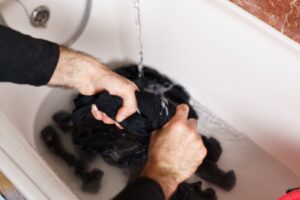
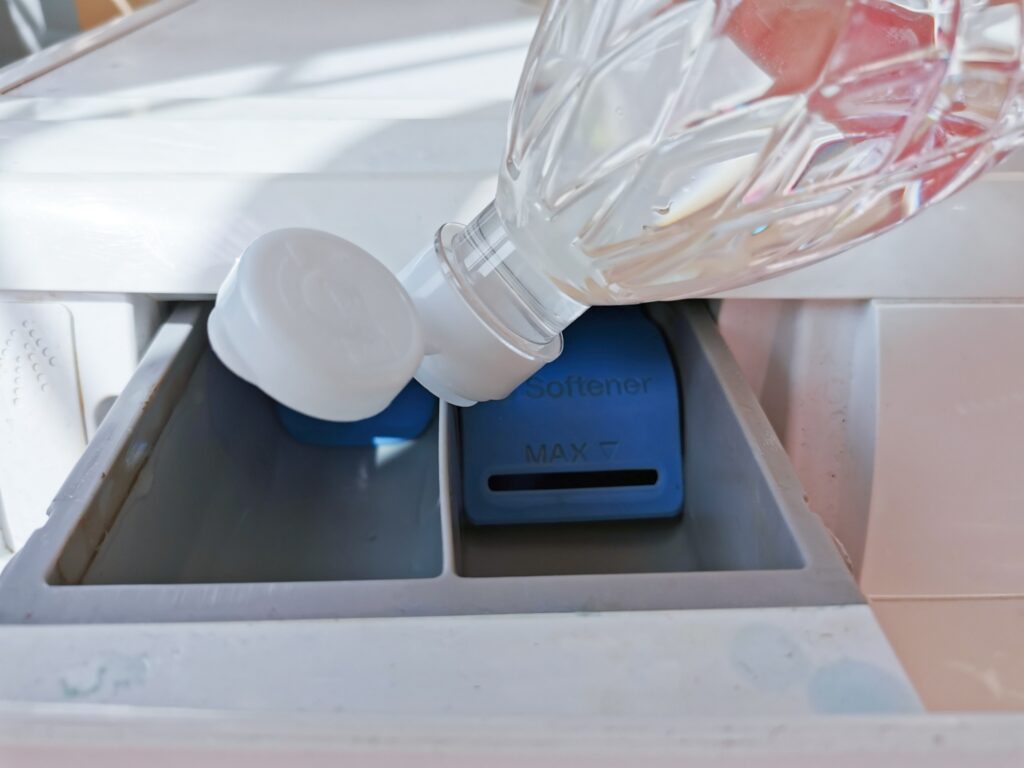
The go-to cure for mildewy laundry is a vinegar rewash. White distilled vinegar is mildly acidic, which makes it excellent at killing mold spores and neutralizing odor. To use this method, run a hot water wash cycle without regular detergent – instead, add about one cup of white vinegar to the machine. You can pour the vinegar directly into the washer drum (with the machine empty) or into the fabric softener dispenser so it releases during the rinse. Let the load agitate and soak for a bit if possible, then complete the cycle. The vinegar smell will rinse out, taking the mildew stench with it. (Don’t worry, your clothes won’t come out reeking like a salad – the vinegary scent disappears as it dries.) This natural trick is simple but effective. Even appliance manufacturers recommend vinegar soaks as a safe way to banish persistent odors. (For instance, one Whirlpool laundry guide points to vinegar as a trusty odor neutralizer.) If the mildew odor is very strong, you can also pre-soak the affected items in a basin of hot water mixed with a cup or two of vinegar for an hour before washing.
Use Baking Soda in the Wash
Baking soda is another powerhouse odor absorber that can help remove mildew smells. For a second round of washing, add half a cup to a full cup of baking soda directly into the drum (or use the detergent compartment if it allows powdered additives). Wash the clothes again on the hottest appropriate setting. Baking soda is alkaline, which helps neutralize the mildew’s acids and odors. It also softens the water and can loosen any residue in the fabrics. As a bonus, baking soda in the wash will freshen your machine as well. Some people find the one-two punch of vinegar then baking soda works best: for example, run one cycle with vinegar (as above), then immediately run a second cycle with baking soda. This combo can eradicate even stubborn musty smells that survived the first wash. Just avoid adding baking soda and vinegar together in one single load – they will foam up and cancel each other out. Spread them across two washes for the best effect.
Try Oxygen Bleach or Odor Remover Products
If natural remedies aren’t completely cutting the smell, you can bring in the heavy hitters: oxygen-based bleach or specialized odor-fighting laundry boosters. Oxygen bleach (like the popular OxiClean powder or other sodium percarbonate-based cleaners) releases oxygen bubbles that penetrate fabrics and help break down mold, mildew, and the odors they cause. It’s color-safe and works well on organic stains and smells. Use it according to the package instructions – typically adding a scoop to a hot wash and letting it soak for a bit before the cycle finishes. You can even dissolve oxygen bleach in warm water and pre-soak smelly items for an hour. Another option is to use an odor-eliminating detergent or additive. Look for detergents labeled for “odor defense” or “sports odor” – these often contain enzymes that eat away at sweat and mildew smells. There are also laundry odor eliminator liquids you can pour in along with your detergent. These products are designed to neutralize tough smells in the wash. If you use one of these boosters, still do an extra rinse to ensure no residue remains. With oxygen cleaners or specialty detergents, your mildewy laundry should come out significantly fresher.
Add an Extra Rinse Cycle
Lingering odor can sometimes simply mean bits of soap or soil are still stuck in the fabric. Running a second rinse at the end of your wash can help flush out any remaining contaminants that might cause smells. Many washing machines have an “Extra Rinse” option you can select – use it when dealing with mildewy or heavily soiled loads. If your washer doesn’t have that feature, you can manually run a rinse and spin cycle after the main wash is done. This extra rinse is especially useful if you used a lot of vinegar, baking soda, or other additives, as it ensures everything gets fully washed out. One major appliance maker even notes that an additional rinse can be key to freshening smelly laundry, since it gives odors an extra chance to be washed away from your clothes. It only adds a few more minutes to laundry day but can make a big difference in getting that truly clean scent.
How to Dry Laundry to Prevent Mildew Odors
Once you’ve rewashed your clothes to defeat the mildew smell, proper drying is absolutely crucial. If anything stays damp, the odor could creep right back. Here’s how to dry your laundry the right way to ensure musty smells are gone for good:
Dry it immediately: Don’t let clean, wet laundry sit around after the wash is done. Transfer it to the dryer (or hang it up) as soon as possible. Mildew can start growing in wet clothes in a matter of hours, so prompt drying is your best defense. Set a timer or alarm if you tend to forget loads in the washer.
Maximize airflow: Whether you use a dryer or hang clothes to air-dry, good airflow is key. In the dryer, avoid overloading so that hot air can circulate freely around all items – this helps moisture evaporate quickly. If air-drying, spread items out. Hang clothes on a line or drying rack in a well-ventilated area. Outdoors in the sunshine is ideal. In fact, sunlight’s UV rays help kill odor-causing bacteria, giving line-dried clothes an extra freshness boost.
Don’t bunch or pile: Never leave damp laundry in a heap or pressed together. That’s a recipe for trapping moisture. If you can’t get to drying clothes immediately, at least spread them out (even over the washer door or shower rod) until you can properly dry them. When drying multiple items, periodically check and separate anything that’s balled up (like sheets or jeans that tend to twist and fold on themselves in the dryer).
Use the right heat setting: Choose a high enough dryer heat to thoroughly dry the fabrics that can handle it. Cotton towels and sheets, for example, can usually be dried on higher heat. Be cautious with delicate or synthetic items that can’t take high heat – for those, extra time on low heat or air drying might be needed. The key is ensuring no dampness remains. If you pull out a load and something still feels cool or moist, run it longer. It can also help to toss a clean, dry towel into the dryer with a heavy damp load to speed up drying.
Finish with freshness: Once items are fully dry, let them cool in a dry area before you fold and store them. This prevents any residual warmth from causing condensation in a folded stack of clothes. For an extra touch, you can line-dry for a few minutes at the end of a dryer cycle – the outdoor air will give a fresh scent. And don’t forget about the dryer itself: empty the lint trap (a clogged lint screen impedes airflow) and periodically check that your dryer vent is clear. A dryer that isn’t venting properly can leave clothes slightly damp and smelly. Keeping the dryer clean will ensure it’s removing moisture effectively.
For especially bulky items or large loads that are hard to dry completely at home (think comforters or a week’s worth of towels), consider using a larger commercial dryer at a laundromat. Our self-service laundry in Chicago has high-capacity machines and plenty of space, so you can dry big loads thoroughly and quickly. However you do it, make sure every last sock and shirt is bone-dry before you call it done – your closet will thank you later when everything smells fresh.

Clean Your Washing Machine to Banish Odors
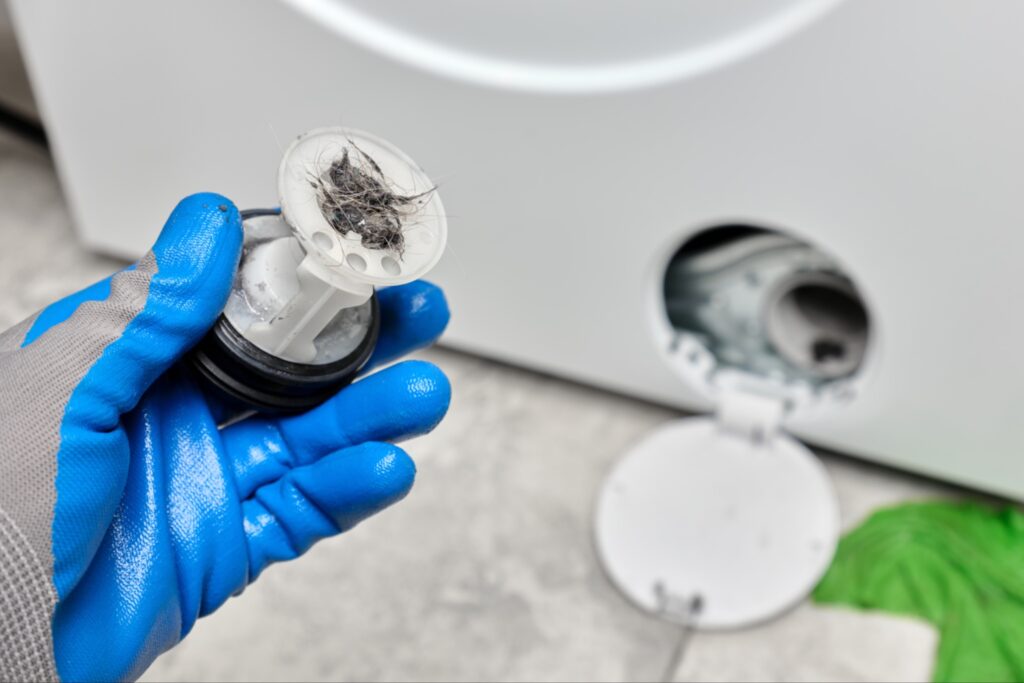
Now that your clothes are clean and dry, turn an eye to the washing machine itself. A smelly washer will just keep making smelly laundry, so it’s important to eliminate any mildew lurking in your machine. First up: check the washer’s filter (if your model has one). The filter (also called a drain pump filter or lint trap) catches debris and often sits behind a small door at the bottom front of front-load washers (or inside the agitator on some top-loaders). Over time it can get clogged with lint, hair, and gunk, creating a prime spot for odors. Twist open that filter and clear it out – you might be surprised (or a little grossed out) by what’s in there. Cleaning the filter every few months keeps water flowing and odors away. If you’ve never done it, don’t worry – it’s a quick task. (You can follow our step-by-step washing machine filter cleaning guide if you need a hand.)
Next, give the whole washer a good cleaning. Mold and soap scum can hide in nooks and crannies, especially in front-load washer seals and detergent dispensers. Wipe around the rubber door gasket with a cloth and a bit of vinegar or mild cleaner – you might find some mildewy residue there. Then run an empty wash cycle on hot. You can use a washing machine cleaner tablet or liquid (follow the product directions), or simply add 1 cup of bleach or a mixture of baking soda and vinegar to the machine. Let it run through to flush out the drum, hoses, and internal parts. This washer “tub clean” cycle kills lingering mildew and washes away the residue that smells feed on. For best results, we recommend doing a preventative cleaning like this about once a month. (If you prefer more natural cleaners, running a hot cycle with just vinegar or baking soda works too – though alternate occasionally with bleach or a commercial cleaner to disinfect more thoroughly.) A clean washer ensures that the next time you do laundry, your clothes will come out truly clean and odor-free. For a detailed breakdown of washer cleaning options and products, check out our guide to using washing machine cleaner effectively.
Tips to Prevent Mildew Smells in the Future
Nobody wants to deal with mildewy laundry more than once. The good news is, a few simple habits can keep that musty smell from coming back. Here are some tips to keep your clothes smelling fresh and clean all the time:

- Don’t let wet laundry sit: This is rule #1. As soon as a wash cycle ends, move clothes to the dryer or hang them up. Similarly, don’t leave damp used towels or gym clothes balled up in a hamper – wash them promptly. Staying on top of wet laundry prevents mildew from ever starting.
- Go easy on detergent (and skip fabric softener): Use the amount of detergent recommended for your load size and machine type – no more. Modern high-efficiency machines actually clean better with less soap. Excess detergent or liquid fabric softener leaves a residue that traps odors. If you’ve noticed suds left over or a filmy feel on clothes, cut back on the soap. Your laundry will still get clean (or cleaner, actually) and will smell better for it.
- Leave the washer door open: After you finish laundry, leave the washing machine door (or lid) open for a while to let the interior dry out. This is especially crucial for front-load washers, which seal up tightly. Propping the door open and pulling out the dispenser tray for airflow can prevent the warm, damp environment that mildew loves. Essentially, let your washer air out between uses so it isn’t a petri dish.
- Do a monthly cleaning cycle: Make it a habit to run a maintenance cycle in your washer about once a month (or every 30–40 loads). Use a hot water cycle with a washer cleaner tablet, a cup of white vinegar, or a bit of bleach. This routine “flush” helps clear out detergent buildup and kill any budding mildew colonies before they become a problem. It’s a small time investment that pays off with consistently fresh laundry.
By following these practices, you’ll drastically reduce the chances of that icky mildew smell ever haunting your laundry again. And remember, if laundry chores start to feel like too much or you just want an expert touch, we’re here to help. At Spincycle, we’re clean-obsessed – our team will wash, dry, and fold your clothes with care so you never have to worry about musty odors. Consider outsourcing the tedious laundry days to us: try our convenient wash & fold service or even schedule a pickup and delivery so you can skip the chore altogether. We use ozone-sanitized machines and proper techniques to ensure every load comes back fresh, clean, and free of funky smells (neighbor-approved freshness, guaranteed!). With a little prevention – and knowing when to hand things off to the pros – you can say goodbye to the mildew smell and hello to laundry that actually smells as clean as it looks.