How to Clean a Smelly Laundry Machine
Your washing machine works hard to keep your clothes clean – in fact, the average U.S. household runs over seven loads of laundry each week (one study found nearly 50% of families do 7 or more loads weekly). With so much use, it’s no surprise that odors can build up over time. A sour or mildew smell from your washer is not only unpleasant but can also transfer to your “clean” clothes. Don’t worry – it’s easy to fix and even easier to prevent with some regular TLC. In this guide, we’ll explain why laundry machines smell and walk you through how to clean a smelly washing machine (front-load or top-load) to get it fresh again. We’ll also cover how often to clean it, what cleaning solutions to use (vinegar, baking soda, or commercial cleaners), and simple tips to keep odors away for good.
Why Do Laundry Machines Smell?
A smelly laundry machine usually means something is lingering inside that shouldn’t be. Here are the common culprits behind washer odors:
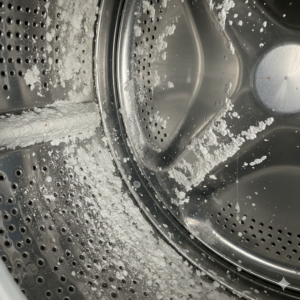
- Detergent and Softener Buildup: Using too much detergent or fabric softener can leave residue on the drum and hoses. Over time, this soapy film accumulates and becomes a breeding ground for odor-causing bacteria and mold.
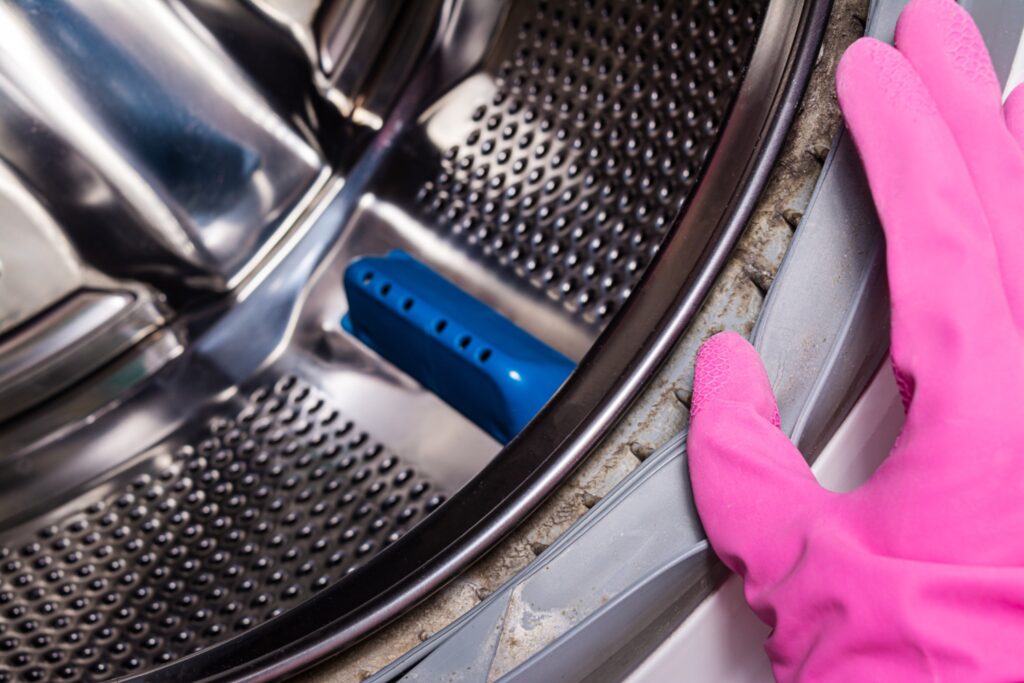
- Mildew and Mold Growth: Washing machines are damp, dark environments – perfect for mildew. Front-load washers are especially prone to mold on the rubber door gasket and inside the drum if not dried properly. That mildew causes the classic musty smell.
- Standing Water: Water that doesn’t fully drain (due to clogged filters or drain issues) can sit in the machine. Stagnant water will develop a foul odor and encourage bacterial growth.
- Pet Hair and Lint: Washing pet bedding or linty items? Hair and lint can get trapped in the washer’s gasket, filter, or agitator. As this debris builds up and stays wet, it can start to stink.
- Exclusive Cold Water Cycles: Frequently washing in cold water is energy-efficient, but cold water may not dissolve detergents or kill bacteria as effectively. This can lead to more residue and microbes hanging around. Without occasional hot washes or cleaning cycles, odor can result.
Other factors like overloading the washer (preventing thorough rinsing) or leaving damp clothes inside for too long can also contribute. Essentially, leftover moisture plus dirt or soap equals odor over time.
Signs Your Washing Machine Needs Cleaning
Not sure if your washer is due for a cleanup? Look out for these warning signs:
- Unpleasant Odor: The most obvious sign is a bad smell – a mildewy, sour, or “wet dog” odor – coming from the drum or when you open the door.
- Visible Mold or Residue: Black or gray spots of mold on the rubber door seal of a front-loader, or a film of grime in the drum, are telling you it’s time to clean. Also check the detergent dispenser for slime or buildup.
- Laundry Not Smelling Fresh: If your just-washed clothes or linens still smell funky or not exactly fresh, the washer itself may be imparting that odor because it’s dirty.
- Sludge or Particles: Noticing bits of wet lint, dirt, or even pet hair left in the drum or on your clothes after washing? That’s a sign the washer interior (and especially the filter in front-loaders) needs cleaning.
- Moldy or Stagnant Water Signs: For front-loaders, check the bottom seal and inside the door gasket folds for pooled water or slime. In top-loaders, a smelly, slimy agitator or rim is a giveaway.
If you encounter any of these issues, it’s definitely time for a deep cleaning of your washing machine.

How to Clean a Front-Load Washer
Front-load washing machines are efficient, but their design can trap odors if not cleaned regularly. The door gasket, drum, and detergent drawer are key areas to address, along with running a cleaning cycle. Here’s how to clean your front-loader and banish the smell:
- 1. Empty the Washer: Start with an empty machine (no clothes). You’ll be using a cleaning agent, so make sure nothing else is inside.
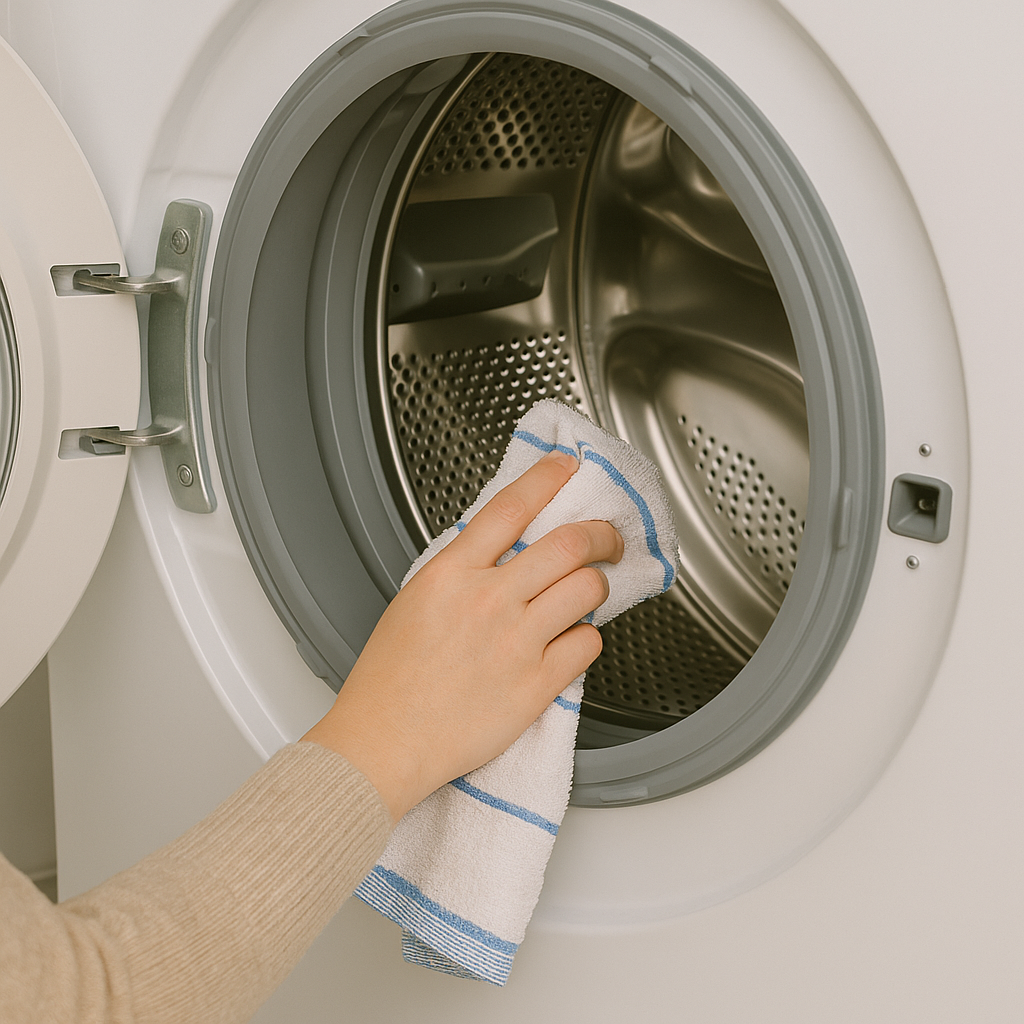
- 2. Wipe the Door Gasket: Open the door and inspect the rubber seal (gasket) that runs around the opening. This is a notorious spot for mold and soap scum. Using a cloth dipped in hot soapy water or white vinegar, wipe all around and under the gasket. Pull back its folds to remove grime, lint, or hair trapped inside. For stubborn mildew, you can use a bit of diluted bleach (wear gloves) or a specialized mildew cleaner on the gasket – just be sure to rinse it thoroughly afterward.
- 3. Clean the Detergent Dispenser: Remove the detergent/softener drawer from the machine (most pull out; check your manual if unsure). You’ll likely find caked detergent or mold in the tray and its compartment. Soak the drawer in hot, soapy water and scrub away residue with an old toothbrush. Also wipe inside the dispenser slot opening to clear any gunk. Rinse and dry the drawer, then slide it back in.
- 4. Clean the Drain Pump Filter: Many front-load washers have a drain pump filter (usually behind a small hatch at the bottom front of the machine). Place a towel and shallow pan under it, then carefully open the filter cover – water will likely trickle out. Take out the filter trap and remove any lint, coins, or debris. Rinse the filter under running water until it’s clean, then reinsert it securely. Cleaning this filter helps water drain properly and removes smelly build-up.
- 5. Run a Hot Cleaning Cycle: Now it’s time to sanitize the drum and internal parts. You have a few options here:
- Vinegar method: Pour 2 cups of white vinegar directly into the drum. Vinegar is great at cutting through residue and killing some mildew. Run the washer on the hottest, longest cycle (or use a special “Tub Clean” cycle if available). The hot vinegar wash will help dissolve soap scum and neutralize odors.
- Baking soda boost: For extra deodorizing, you can also add 1/2 cup of baking soda into the drum or dispenser and run a second hot cycle. Baking soda helps absorb and neutralize remaining smells. (Some people combine vinegar and baking soda in one cycle – you can, though they will fizz and mostly neutralize each other. It may be more effective to do them separately.)
- Bleach method: If you prefer, use 1 cup of liquid chlorine bleach instead (pour into the drum or detergent dispenser) and run a hot cycle. Bleach is very effective at killing mold and bacteria. Never mix bleach with vinegar or any other cleaner in the same cycle, and check your washer manual – some front-load models advise against bleach. If using bleach, run an extra rinse cycle afterward to ensure no bleach remains.
- Commercial cleaner: Alternatively, use a washing machine cleaner tablet or pouch (follow the product instructions). Many manufacturers, like Maytag/Whirlpool, recommend these cleaners (e.g., Affresh) for monthly maintenance because they’re formulated to remove odor-causing residue. Just put the tablet in the drum and run the hot cycle.
- 6. Wipe and Air Dry: Once the cleaning cycle is done, wipe down the drum inner walls, glass door, and gasket one more time with a clean cloth to remove any loosened debris. It’s normal if you smelled vinegar or bleach during the cycle – that should rinse away. Finally, leave the washer door open and allow the drum and gasket to fully air dry (this step is crucial to prevent mildew from returning).
Your front-load washer should now smell fresh and clean! The internal buildup is gone, and any mold should be eliminated. If any vinegar or cleaning smell lingers, simply run an empty rinse cycle to flush it out. Going forward, try to do this deep clean about once a month (or every 30 wash cycles) to keep odors at bay.

How to Clean a Top-Load Washer
Top-loading washing machines can get smelly too, though they don’t have a front gasket like front-loaders. Odors in top-load models usually come from residue in the drum or under the agitator, or from standing water. The good news is top-loaders are a bit easier to air out and clean. Here’s how to freshen up your top-load washer:
- 1. Empty the Washer: Start with no clothes in the machine. You’ll be filling it with a cleaning solution.
- 2. Wipe the Drum and Lid: Open the lid and use a cloth with hot soapy water to wipe the inside of the drum. Scrub any visible deposits or grime off the inner tub surface. Don’t forget to wipe the underside of the lid and the top rim of the drum – lint and soap scum can accumulate there. If you see any mildew spots, a bit of diluted bleach on a cloth can be used to wipe those areas (or use vinegar for a gentler approach).
- 3. Clean the Agitator (if applicable): Many top-loaders have a center agitator. Wipe down the agitator’s sides and base with a cloth and warm soapy water. If your agitator has a removable cap on top, pop it off – sometimes there’s a lint trap or space under it that can collect gunk. Clean out any debris and wipe inside that area with vinegar or soapy water, then reattach the cap.
- 4. Run a Hot Soak Cycle with Vinegar: Set your washer to fill with hot water (largest load setting). As it fills, add 4 cups of white vinegar to the water. Stop the cycle once the agitator mixes the vinegar and water, and let this solution sit in the washer tub for about 30 minutes to an hour. The hot vinegar water will loosen residue and kill mold. After soaking, resume the cycle and let it complete. This will flush out the interior. (If your washer has a specific “Clean Washer” cycle, you can use that, adding vinegar or a cleaning tablet as directed.)
- 5. Run a Second Hot Cycle with Baking Soda: For extra cleaning and deodorizing, you can run another hot water cycle, this time adding about 1/2 to 1 cup of baking soda to the tub. Baking soda will help neutralize any remaining odors. Let it dissolve and run the cycle fully. This step can also help scour away any loosened residue from the vinegar soak.
- 6. Clean the Dispenser and Finish Up: If your top-loader has a removable bleach or fabric softener dispenser, take those out and rinse them well (soap buildup in these can get funky). Wipe around the openings where they go. Once all cycles are done, give the drum a final wipe with a clean cloth. Finally, leave the lid open to let the washer dry out completely.
After these steps, your top-load washer should be smelling fresh. No more rotten egg or mildew odor! As with front-loaders, it’s a good idea to perform a vinegar or cleaning tablet cycle periodically (every couple of months at least) to prevent new buildup. Regular simple maintenance will save you from big scrub jobs down the road.
Choosing a Cleaning Solution: Vinegar, Baking Soda, or Commercial Cleaner?
When it comes to cleaning a smelly washer, you have a few different cleaner options. Each has pros and cons, and you can even use them in combination (just not all at once!). Here’s a quick comparison to help you decide:
- White Vinegar: Vinegar is a natural acid that breaks down mineral deposits, soap scum, and mildew. It’s great for routine cleaning and deodorizing. Pros: eco-friendly, inexpensive, and effective against odors and mild mold. Cons: the vinegar smell (though it dissipates), and it doesn’t sanitize as powerfully as bleach. Also, using vinegar very frequently in a front-loader could potentially degrade rubber seals over time, so don’t go overboard. Safety note: Never mix vinegar with chlorine bleach – it creates toxic fumes.
- Baking Soda: Baking soda (sodium bicarbonate) is a gentle abrasive and odor absorber. It’s perfect for freshening and scrubbing without scratching. Pros: natural, no harsh smell, great at neutralizing acidic odors and loosening grime. Cons: by itself it won’t kill bacteria or mold; it’s more for odor control. It can leave a light powdery residue if not rinsed well, so always run a full rinse cycle after using a lot of baking soda.
- Commercial Washing Machine Cleaners: There are many products designed specifically to clean washers (affresh, OxiClean washing machine cleaner, etc.). Pros: very convenient – just toss in a tablet or powder and run the cycle. They are formulated to remove detergent residue, mildew, and odor, often including mild surfactants or oxygen bleach. Manufacturers often recommend these for monthly use, and using one will not void your warranty. Cons: they cost a bit more than pantry items, and you need to buy them in advance. However, they are generally safe and effective. If you have a warranty or new machine, using the manufacturer’s recommended cleaner (like affresh for Whirlpool/Maytag machines) is a good idea.
- Bleach: While not mentioned in the section title, regular liquid bleach is another option to mention. Chlorine bleach is a strong disinfectant that will kill mold and bacteria thoroughly. Pros: very effective at sanitizing and removing mildew stains; leaves washer truly clean. Cons: harsh chemical odor, can be rough on rubber parts if used excessively, and must be used carefully (no mixing with other cleaners). Use bleach sparingly – maybe every few months – rather than monthly, unless the mildew problem is severe.
Tip: You can alternate methods. Many people do a vinegar wash most of the time and use a commercial cleaner or bleach on occasion for a deeper sanitize. Just remember to never mix bleach with any other cleaner in one cycle. Also, always consult your washer’s manual for any specific cleaning chemical warnings (for example, some front-load models say to avoid bleach in the door gasket area). By choosing the right cleaning solution for the job, you’ll safely eliminate odors without damaging your machine.
How Often to Clean Your Washing Machine (Cleaning Schedule)
Regular cleaning is key to preventing smells. But how often should you be doing each task? Here’s a sensible cleaning schedule to keep your washer in top shape without too much hassle:
- After Each Use (or Daily): If you can, wipe down any visible moisture on the door, gasket, or lid after you finish using the washer for the day. This only takes a few seconds with an old towel and helps dry out the machine. Also, leave the door or lid open for a couple of hours after each laundry load so air can circulate. This simple habit alone greatly reduces mildew risk.
- Weekly: Every week or so, quickly check and clean the door seal on a front-loader – wipe away any lint or hair before it has a chance to get slimy. Top up on this routine especially if you wash a lot of pet items or heavily soiled clothes that week. It’s also good to run an empty hot water cycle (or a “rinse and spin”) at the end of the week to flush out any suds residue if you primarily wash in cold water.
- Monthly: Give your washer a thorough cleaning about once a month. This includes running a cleaning cycle with a cleaner (vinegar, bleach, or a commercial tablet), wiping the drum, and cleaning the detergent dispenser. For front-loaders, also clean the drain pump filter monthly if your machine has one – this keeps the washer draining and smelling good. A monthly deep clean is especially important for high-efficiency front-load washers, which tend to trap more residue due to using less water.
- Quarterly (Every 3–4 Months): In addition to the monthly cleaning, every few months do an extra-inspection: remove and wash the detergent drawer thoroughly, and take a close look at the rubber gasket for any hidden mold you might have missed. For top-load machines, you might remove the agitator (if your model allows) to clean under it at this interval. If you’ve been doing monthly cleanings, quarterly check-ups will be quick. This is also a good time to sanitize with bleach if you haven’t in a while (e.g., do a bleach cycle seasonally).
- Annually: Once a year, consider having a professional check-up or maintenance if your washer is under heavy use – they can inspect internal hoses or drums for hidden buildup. At the very least, an annual super-deep-clean (perhaps using both vinegar soak and a bleach cycle, and cleaning every reachable part) will ensure no section is forgotten.
By following a regular cleaning schedule, you’ll prevent most odor problems before they start. Adjust the frequency based on usage: a household doing 10+ loads a week should clean a bit more often than someone doing 2 loads a week. If you notice smells returning sooner, step up the cleaning frequency. Consistency is key – a little maintenance each month is easier than fighting a big mold invasion later!
How to Prevent Washer Smells in the First Place
After you’ve gotten your washing machine clean and odor-free, you’ll want to keep it that way. Fortunately, preventing smells largely comes down to good usage habits and minor upkeep. Practice these tips to stop odors from forming:
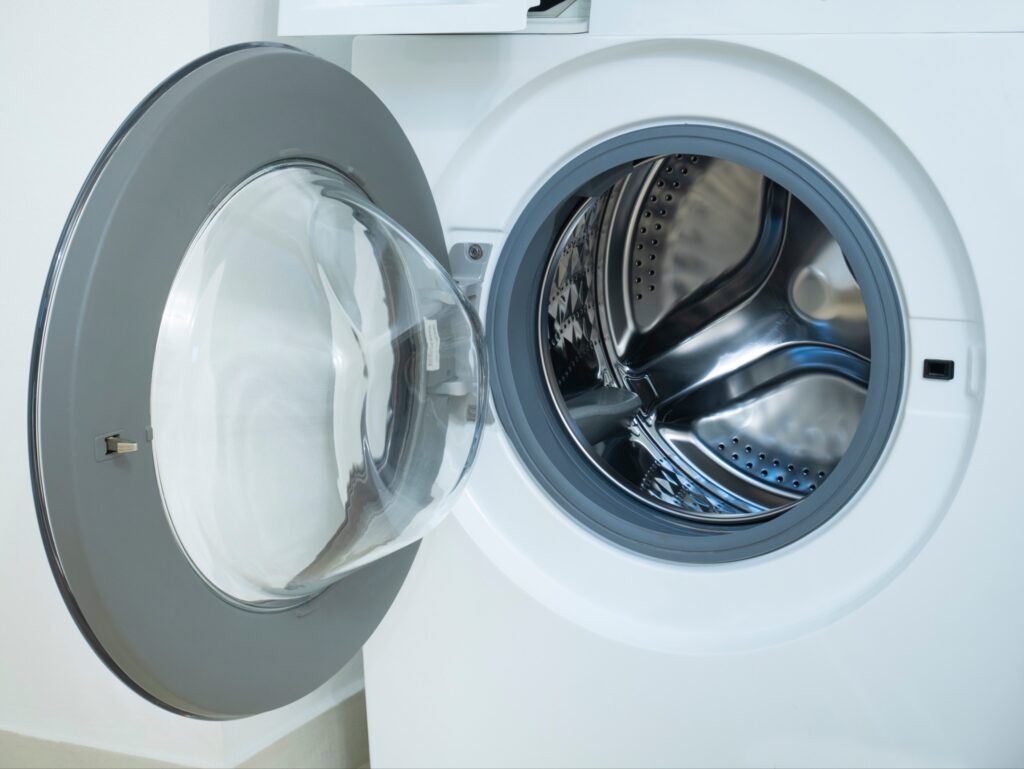
- Leave the Door Open: This is rule number one for a front-load washer. After every wash, keep the door ajar for a few hours (or all the time, if possible) to let the interior dry out. Good airflow = no mold. Top-loaders should likewise be left open between uses. If you’re worried about pets or kids, just be mindful, but try to give the machine as much airing out as possible.
- Use the Right Detergent (and Amount): Always use HE (high-efficiency) detergent in HE machines. Regular detergents produce too many suds that leave residue. Even with HE detergent, measure the correct amount – don’t just eyeball a heaping scoop. Using extra soap doesn’t get clothes cleaner; it only creates more buildup that can cause odors. Follow the washer manual or detergent label for dosage. If you have soft water, you can use even slightly less than recommended.
- Avoid Overloading: Cramming the washer full of laundry can prevent proper rinsing and spinning. This means more water and soap get trapped in clothes and inside the machine, leading to musty smells. Give your clothes some room to tumble and rinse. It will not only help them come out cleaner, but it also protects the washer from strain. When in doubt, do an extra rinse if you think a load was a bit large.
- Remove Laundry Promptly: We’ve all forgotten a load in the washer overnight. But try not to make it a habit. Wet clothes sitting for hours (especially in a closed machine) create a prime environment for mildew. Set a timer or use a washer with a cycle end buzzer to remind you. If your washer has a feature like FanFresh or an auto-tumble that keeps clothes fresh after the cycle, use it. Otherwise, get those clean clothes out and into the dryer as soon as you can.
- Wipe Moisture and Residue: Take 30 seconds after you do laundry to wipe around the door, gasket, and glass (for front-loaders) or along the lid and drum top (for top-loaders). This removes the excess moisture and any detergent splashes. Also, clean out any visible lint or hair. This minor step prevents that gunk from accumulating into a bigger problem.
- Skip or Limit Fabric Softener: Liquid fabric softener can gum up the works and leave a sticky film inside the washer (and on clothes). Consider using it sparingly or switching to dryer sheets for softness. If you do love your fabric softener, be diligent in cleaning the dispenser and maybe run a hot water rinse cycle occasionally to clear the residues it leaves.
- Run Hot Water or Self-Clean Cycles Periodically: If you mostly wash with cold water (which is fine for many loads), make it a point to run a periodic hot wash. For instance, once a week or so, run an empty hot wash with a bit of detergent or baking soda. This helps dissolve any unseen residue. Many modern washers have a “Self Clean” or “Tub Clean” cycle – use it as recommended (usually monthly). These cycles are designed to keep the drum fresh.
- Tackle Pet Hair and Mud: If you wash particularly hairy, muddy, or dirty items, consider doing an extra rinse or running an empty rinse cycle afterward. Pet hair can collect in filters and seals. Once the load is out, wipe away any visible fur or dirt clumps. This prevents those materials from staying in the machine and causing odors or clogs.
By incorporating these preventative measures, your washer will stay fresh and you’ll rarely have to deal with bad smells again. It really boils down to keeping the machine dry between uses, dosing detergent correctly, and not letting dirt linger. A well-maintained washer means your laundry comes out truly clean and smelling wonderful every time.
Extra Tips for Ongoing Washer Care
Beyond the big cleaning and basic daily habits, here are a few additional tips and tricks to prolong the freshness of your washing machine and catch issues early:
- Use Washer Cleaner Tablets Regularly: Make washer cleaning easy by using a washing machine cleaner tablet or packet once a month. Just throw it in and run the cycle – simple. This keeps internal parts free of buildup without much effort. It’s an especially good practice if you’re too busy for detailed cleaning. Mark it on your calendar or set a reminder each month.
- Run an Extra Rinse Cycle: If you ever notice suds left over or a slight soap smell after a wash, run a rinse and spin cycle with no laundry in it. This flushes out any remaining detergent or debris. An extra rinse can also be helpful after washing particularly dirty loads (to ensure no grime is left behind). It’s a quick way to freshen the drum.
- Balance Your Loads: Pay attention to how you load the washer. An unbalanced load (all heavy items on one side, for example) can make the washer work harder and sometimes not spin out water completely. That leftover water can lead to mustiness. Mix large and small items, and distribute clothes evenly around the agitator or drum. Also, ensure your machine is level on the floor – if it’s rocking, it could be off-balance which might affect draining efficiency.
- Keep the Washer Dry Between Uses: This bears repeating because it’s so important: moisture is the enemy. If your washer is in a humid basement, consider using a dehumidifier in the laundry area to reduce ambient moisture. You can even keep an old towel near the machine to quickly dry the door seal and drum after use. Some folks will prop the door open with a small towel to allow just a bit of air if they can’t leave it fully open. The dryer you keep the washer, the less chance for odors to take hold.
- Watch for Plumbing Problems: Sometimes a washing machine might smell because of a plumbing issue – for example, a sewer gas odor coming from the drain rather than the washer itself. Make sure the drain trap is working properly and that the washer’s drain hose is installed correctly (with a standpipe or U-bend to block sewer gases). If you smell a foul, egg-like odor, it could be a drain problem rather than the washer – in which case, a plumber might need to intervene.
By staying on top of these small things, you’ll ensure your washer runs smoothly and odor-free. Little habits like those above can greatly extend the time between deep cleanings. Consider it part of the appliance’s care routine – much like you’d service a car to keep it running well. Your reward will be a machine that not only lasts longer but also keeps your laundry smelling fresh and clean.
When to Call in the Professionals
In most cases, regular cleaning and maintenance will keep washer odors away. But what if you’ve tried everything – cleaned the gasket, run bleach cycles, used vinegar and baking soda – and the bad smell STILL persists? Or what if you discover an extreme mold infestation that you don’t feel comfortable handling? These situations might call for professional help.
An appliance repair or cleaning professional can perform a deep clean or service on the washing machine. They can dismantle parts that you might not easily access, such as the outer drum, internal hose lines, or the drainage system, to remove stubborn residue or mildew hidden inside. If a component like the drain pump, filter housing, or door seal is heavily mildewed, a technician can sometimes replace that part altogether. Also, if your washer’s odor is due to a mechanical problem (for example, water not draining fully because of a failing pump or a partial blockage), a professional will be able to diagnose and fix it.
Signs you might need a pro: The smell is moldy or chemical despite cleaning efforts, you see extensive mold you can’t get to (like behind the drum), or the washer is very old and might benefit from an expert’s touch. In such cases, don’t hesitate to contact a local appliance repair service. Sometimes investing in a professional cleaning can add years of life to your washer and save you from having to buy a new one.
In the meantime, if your washer is out of commission or you don’t want to use it until it’s properly cleaned, you have options. You could take your laundry to a laundromat or use a self-service washer at a local facility. For instance, self-service laundry locations like SpinCycle Laundry in Chicago offer large, clean machines you can use. This is handy while your machine is being serviced. Alternatively, you might consider a convenient wash-and-fold service or laundry pickup and delivery service to handle your laundry for you during the downtime. Professionals will wash and return your clothes fresh and clean, so you’re not stuck with a pile of dirty laundry.
Ultimately, a persistently smelly washer shouldn’t be ignored – if you can’t solve it with DIY methods, a professional has the tools and expertise to get to the root of the problem. And if the cost of repair is high and your washer is quite old, it might even be time to consider upgrading to a new model. Modern washers have features to combat odors (like built-in cleaning cycles or antimicrobial seals). But whether you repair or replace, one thing is certain: once you’ve experienced the joy of a fresh-smelling laundry room, you won’t want to go back!
Fresh Laundry, Fresh Machine
A clean washer means clean laundry. By understanding why washers get smelly – and using the cleaning strategies and preventive tips outlined above – you can ensure your laundry machine stays in top condition. Remember, a little effort on maintenance goes a long way. Going forward, incorporate simple habits like airing out the washer and running the occasional cleaning cycle. Your reward will be a washer that smells as fresh as the clothes it washes. With these tips, you’ll never have to wrinkle your nose at a smelly laundry machine again. Happy washing!