How Long Can Laundry Sit in the Washer Before It Smells?
We’ve all done it: thrown a load of laundry in the washer, then completely forgotten about it until hours (or even the next morning) later. Uh-oh. By the time you open the washer, you’re hit with that damp, funky odor – the telltale sign that your clean clothes aren’t so fresh anymore. So how long can wet laundry sit before it smells, and how do you fix it if it does? The answer depends on a few factors, but don’t worry, neighbor – we’re here to help you navigate this common laundry faux pas. In this guide, we’ll explain how long you can safely leave clothes in the washing machine, what causes that musty “wet laundry” smell, how to get rid of mildew odor if it strikes, and tips to prevent sour-smelling laundry in the first place. Let’s get started (and save that forgotten load)!
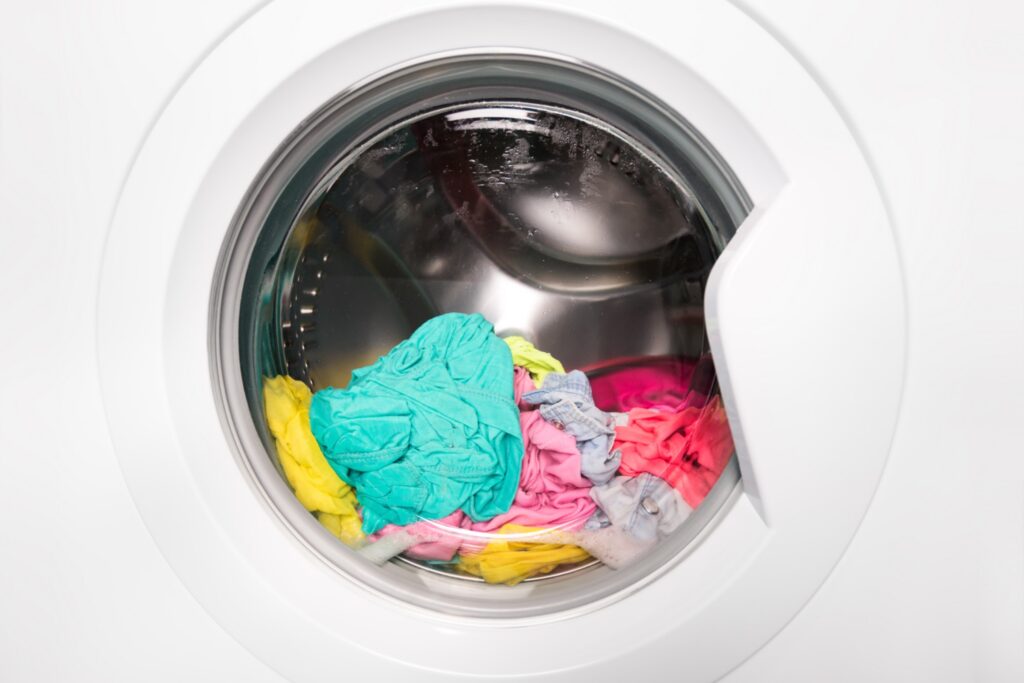
How Long Can Wet Laundry Sit Before It Smells?
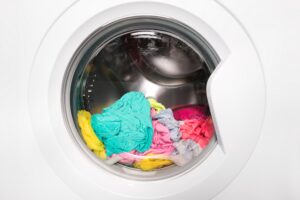
In general, wet clothes shouldn’t sit in the washer for much more than 8–12 hours before odor starts to develop. Most people find that if you run the dryer or hang laundry to dry within about half a day, your clothes will still smell fine. In fact, many folks routinely leave a load overnight (around 8 hours) and have no issues as long as they dry it first thing in the morning. However, once you go beyond roughly the 8–12 hour mark, you’re rolling the dice – that’s typically when that dank, mildewy smell makes its debut. If clothes sit a full 24 hours in a damp washer, it’s almost guaranteed they’ll be sour by then, and you may even start to see mildew spots on fabrics.
It’s important to note that how quickly “washer smell” sets in can vary. In some situations, odor can creep in faster (or slower) than the 8-hour rule of thumb. For example, leaving clothes in the washer for just a couple of hours on a sweltering summer day might be enough to cause a funk, whereas in a cool, dry environment you might be able to stretch it a bit longer with no smell. It all comes down to the conditions. Here are some key factors that affect how fast wet laundry will start to smell:
- Heat and humidity: A warm, humid laundry room is basically a spa day for odor-causing bacteria and mold. They’ll multiply much faster in muggy conditions. In sticky summer weather (or a poorly ventilated space), even 1–2 hours of wet clothes sitting can lead to a musty smell. In contrast, a cool, air-conditioned room slows bacterial growth a bit.
- Ventilation of the washer: The type of washer matters. Front-loading machines seal up tightly, trapping moisture with your clothes – an ideal scenario for mildew. Top-loading washers, on the other hand, can be left open, allowing some air in. If you crack the lid or door open after the cycle, that airflow can reduce moisture and odor buildup (just be mindful of curious kids or pets if the machine is open).
- How wet the load is: An extra-soggy load will grow funky faster. If your washer didn’t do a great spin cycle or the load is overstuffed and retaining lots of water, those clothes are drenched – prime mildew territory. A lighter load that got spun well (clothes are just damp, not sopping) has a bit more leeway because there’s less water for bacteria to thrive in.
- Type of fabrics: Heavy, thick fabrics like towels, jeans, and sweatshirts hold moisture longer, so they’re more prone to developing that sour smell if left sitting. Thinner or synthetic fabrics might dry out quicker in the drum. Also, items with lots of organic fibers (cotton, wool) can actually start to grow mildew on the fibers if left too long. That’s why forgotten wet towels get that unmistakable “mildew smell” so fast.
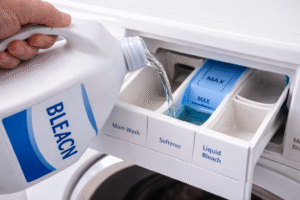
- Whether the wash included sanitizers: If you used hot water, bleach, or an oxygen-based sanitizer in the wash, you have a bit more cushion. A hot wash or a dose of chlorine bleach will knock out many bacteria and mold spores, so those loads can sit longer (within reason) without smelling. For instance, a load of white towels washed with bleach at night will likely still smell fresh if you toss them in the dryer next morning, since the bleach killed most of the odor culprits.
- Cleanliness of your machine: A dirty washer can “pre-seed” your clothes with microbes and odors. If your washing machine has residue, mildew, or bacteria already lurking in it, clothes could pick up a smell even if they only sat for an hour. (Ever notice a slight funk immediately when a cycle finishes? Your machine might need a cleaning!) Keeping your washer clean inside helps prevent transferring smells to laundry.
Bottom line: the sooner you can get wet laundry out to dry, the better. We recommend aiming to switch your clothes to the dryer (or hang them up) within an hour or two after the wash finishes. If you forget and they sit a bit longer, don’t panic – give them a quick sniff test. Smelling the laundry is the easiest way to tell if you’ve left it too long. If it smells musty or “off” at all, it’s time for a rewash. If it still smells perfectly clean, you caught it in time and can dry as normal. (Pro tip: use a fragrance-free detergent for your regular washes. It’s easier to detect a foul odor on clothes when they aren’t masked by heavy perfumes. If anything in the load has even a hint of that mildewy scent, you’ll know a redo is needed.)

How to Remove Mildew Smell from Laundry
Uh oh – you’ve opened the washer door and that nose-wrinkling mildew smell is coming from your clothes. Or maybe you didn’t notice until after drying, and now your “clean” laundry still smells bad. Don’t worry, all is not lost! When laundry still smells after washing, a few extra steps can usually banish the odor. Here’s how to fix musty, sour-smelling clothes and rescue that load:
- Rewash immediately: The longer you wait, the more that mildew odor will set into the fabric. As soon as you discover the smelly situation, run the clothes through another wash cycle. Leaving musty clothes sitting (yet again) is only going to let the odor-causing bacteria spread. So plan to rewash musty clothes right away for the best chance at fully removing the smell.
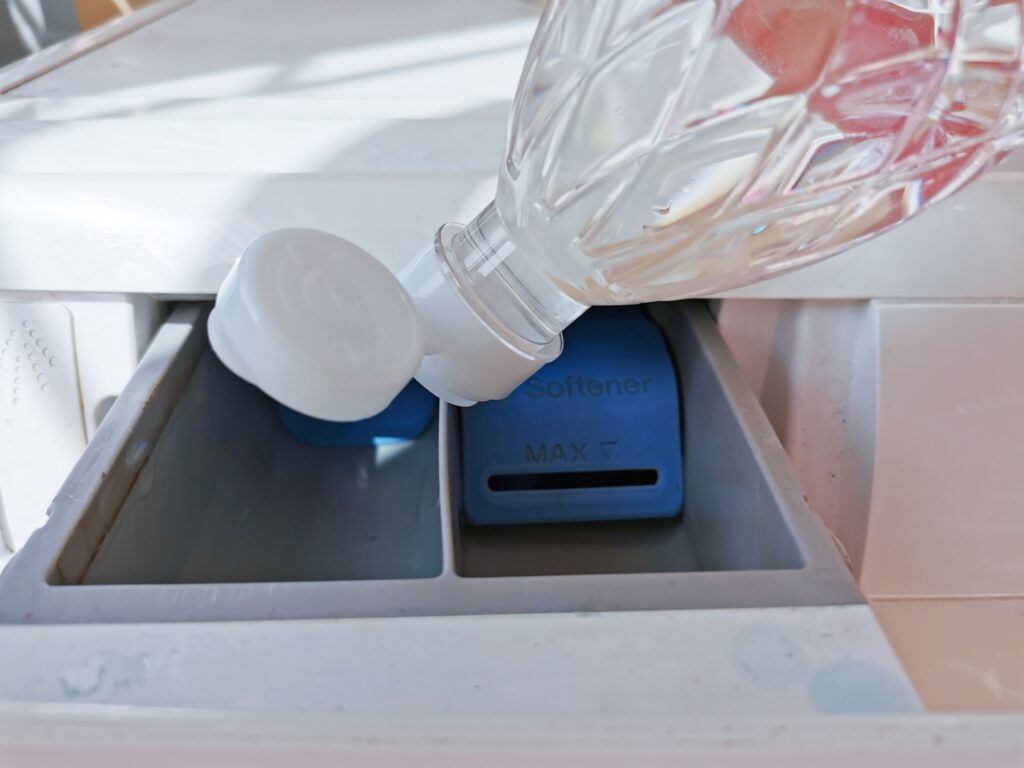
- Add white vinegar to the wash: Plain white vinegar is your best friend for killing mildew odors. Vinegar’s acetic acid helps eliminate odor-causing bacteria and neutralize smells deep in the fabric. Pour about 1 cup of white vinegar into the washer along with your detergent (or put it in the fabric softener dispenser, so it releases during the rinse cycle). Don’t worry – your clothes won’t come out reeking of salad dressing. The vinegary smell rinses off, taking the mildew stench with it. This simple trick can make a huge difference in freshening sour laundry naturally.
- Use hot water, if safe: Heat can help kill remaining mildew spores and bacteria. If the fabrics can handle it (check care labels!), wash the load on the hottest appropriate setting. Towels, whites, and cotton underwear, for example, can usually take a hot wash, which will sanitize better than cold. For delicates or colors that can’t do heat, stick with vinegar and other methods instead of risking damage.
- Try baking soda or oxygen bleach: For extra odor-fighting power, you can use baking soda or an oxygen-based laundry booster. Baking soda is great at neutralizing funky smells by balancing pH. Add 1/2 cup of baking soda directly into the drum (for front-loaders, you might dissolve it in some water first and pour it in) along with your regular detergent. It will help absorb and neutralize odors during the wash. Alternatively, an oxygen bleach (like OxiClean or another percarbonate-based powder) can be added as directed – it helps oxidize odor-causing organic matter. Just avoid using baking soda and vinegar at the same time, as they can foam up or cancel each other out; choose one per wash.
- Use a sanitizing laundry additive (if needed): If the smell persists after a vinegar wash, consider a laundry sanitizer product. There are liquid additives (such as Lysol Laundry Sanitizer) designed to kill bacteria that detergent alone might miss. You add them in the rinse cycle. These can give a sour load an extra germ-killing kick (handy if someone in the house has been sick or you really want to ensure no mildew survives). Bleach is another powerful sanitizer – for bleach-safe items, a repeat wash with chlorine bleach will definitely wipe out smells, but use it only on white or colorfast fabrics according to directions.
- Dry thoroughly and outdoors if possible: Once you’ve rewashed, it’s critical to get those clothes dry ASAP so any remaining odor doesn’t return. Ideally, dry them in a machine on high heat (again, if the fabrics can tolerate it) or hang them in direct sunlight. Sunlight is an excellent natural deodorizer – those UV rays will help kill lingering microbes and freshen your laundry (plus your clothes will get that sun-dried smell!). Even if you normally use a dryer, giving musty items a few hours of sun can do wonders. Just be mindful of colored clothes in strong sun, as they could fade if left out too long.
- Sniff test and repeat if necessary: After drying, give your clothes another smell check. In most cases, the vinegar (or baking soda) + hot water combo will have banished the musty odor. If you do still detect a whiff of mildew, you may need one more wash cycle to fully remove it – especially for really thick items like a wet comforter or towels that were left damp for days. It might be frustrating to wash again, but it’s worth it to save your favorite clothes. Persistent odors sometimes need a second round of treatment. The good news is, after a proper rewash and dry, even super sour laundry can get its freshness back.
By using the tips above, you can almost always get mildew smell out of clothes and towels, even if they had a rough, musty start. Just remember to act fast and use the right odor-busting ingredients (vinegar and baking soda are MVPs here). With a bit of extra TLC, your laundry will be back to smelling like roses (or rather, nothing at all – which is what we want!).
Tips to Prevent Musty-Smelling Laundry
As the saying goes, an ounce of prevention is worth a pound of cure. The easiest way to deal with mildewy, smelly laundry is to avoid it in the first place. With a few smart habits, you can keep that musty odor from ever taking hold. Here are some simple tips to prevent musty smelling laundry:
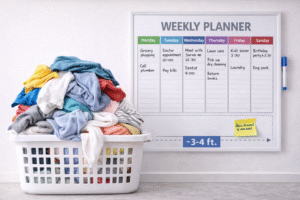
- Don’t procrastinate – dry clothes promptly: We get it, life gets busy and it’s easy to forget a finished load. But making a habit of switching laundry to the dryer as soon as it’s done is the number one way to avoid odors. Set a timer or alarm on your phone if you have to. Many washers play a chime or beep when done – turn up the volume or use a smart laundry app if available. Even a sticky note reminder on the washer can help. Find a system that ensures you won’t leave wet clothes sitting for hours.
- Avoid overnight washes (if you can’t unload in the morning): If you know you won’t be around to take clothes out, it’s better to wait. For example, don’t start a wash right before bed unless you plan to toss it in the dryer first thing when you wake up. Some modern machines have a “delay start” function – you could set the washer to run early in the morning so it finishes as you wake up, rather than running it right at midnight. The key is timing the cycle to end when you’re available to deal with it.
- If clothes can’t be dried soon, spread them out: Let’s say you absolutely can’t get to a finished load for a while – one trick is to open the washer door (or lid) to let air in, or even pull the clothes out and drape them over the side of the basket or machine until you can properly dry them. This isn’t ideal, but it’s better than having them bunched up wet in a dark drum. Separating and airing the items out will slow bacterial growth and buy you a little time. Just remember to still wash or rinse them again later, because they weren’t dried completely.
- Use the right amount of detergent: It sounds counterintuitive, but using too much detergent can actually cause smelly laundry. Excess soap residue left in fabrics can trap oils and bacteria, leading to odors. Follow the detergent instructions for the load size and soil level. If you have very stinky clothes, don’t just pour in more soap – add an odor booster (like baking soda or vinegar) rather than doubling up on detergent. Using an extra rinse cycle can also help ensure all detergent is washed out. Clean clothes and washer residue-free means less chance for musty smells.
- Keep your washing machine clean and dry: Remember, a clean washer = cleaner-smelling laundry. Every month or so, run an empty cycle with a washing machine cleaner tablet or a cup of bleach or vinegar to flush out soap scum and mildew from the machine. Wipe down the door gasket (on front-loaders) and leave the washer door open after each use to let the interior dry out. This prevents mold from taking hold inside the washer. (For a full guide on this, check out our post on keeping your washer fresh and clean.) A well-maintained machine won’t transfer funky smells to your laundry.
- Completely dry clothes before storing them: Ever notice a sour smell in a towel that wasn’t fully dry when you folded it? Dampness, even a little, can breed mustiness. Make sure every load is thoroughly dried before you stuff it in a drawer or closet. If something is even slightly clammy, let it air-dry completely before putting it away. In humid climates, consider running a dehumidifier in your laundry room or storage closets. And don’t pack clothes too tightly on shelves – a bit of air flow in your closet helps prevent that stale odor from creeping in.
- Consider odor-fighting technology: If laundry odor is a persistent battle (like with athletic gear or if someone in your home has extra-sweaty work clothes), you might look into washers or additives that provide an extra odor-fighting boost. For example, some high-end washers have built-in fans or intermittent tumbling to keep clothes fresh if you can’t take them out immediately. There are also ozone laundry systems that sanitize and eliminate odors using ozone gas (activated oxygen) – these can naturally kill bacteria and mildew during the wash, preventing smells. While not common in every home, technologies like ozone are becoming more accessible (some laundromats, including ours, incorporate ozone to ensure super-fresh laundry). It’s something to keep in mind if odors are a constant issue.
By adopting these preventive habits, you’ll rarely (if ever) have to deal with sour laundry. A little attentiveness – moving clothes promptly, keeping things clean and dry – goes a long way toward a sweet-smelling laundry routine. Your future self (and your nose) will thank you for not having to track down and eliminate funky odors later on!

How Laundromats Can Rescue a Sour Load
Sometimes, despite our best efforts, that musty smell still hangs on – or maybe you just found a week-old load in the washer and it’s bad. When you’re facing a truly stubborn sour load, it might be time to bring in reinforcements. High-capacity machines and professional techniques at a laundromat can work wonders on funky laundry that home washers struggle with. Here’s how a laundromat (and the laundry pros) can help rescue your smelly clothes:
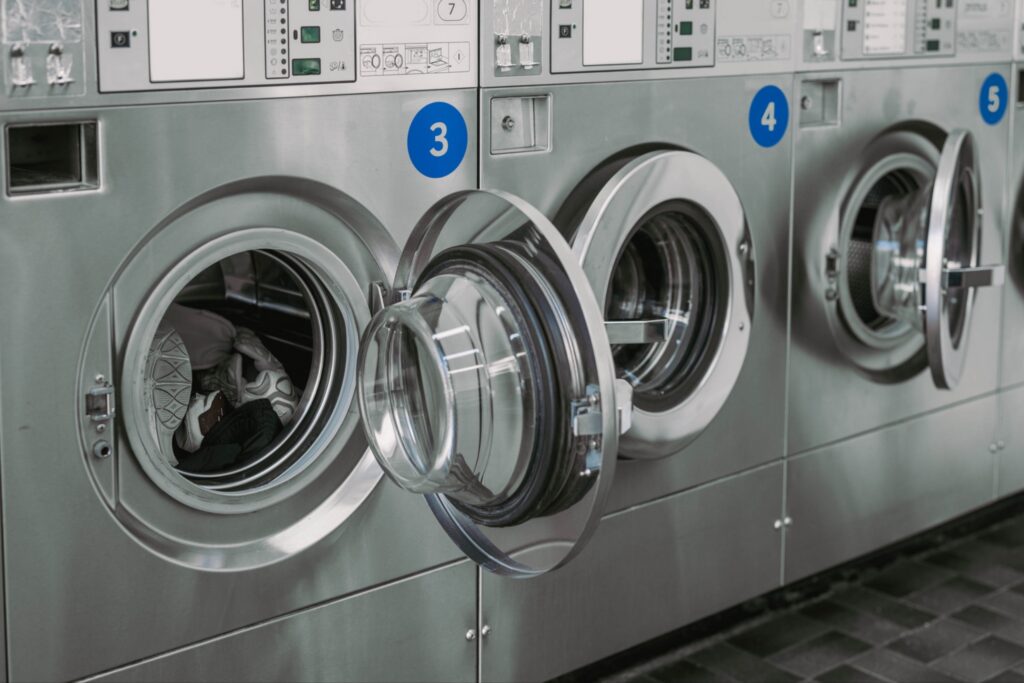
Bigger machines for a deeper clean: Commercial laundromat washers are generally much larger and more powerful than typical home units. That means they can flush a ton of water through your clothes and get them cleaner. For a sour-smelling load of towels or a mildewed comforter, using a high-capacity washer at a self-service laundromat can make a huge difference. The clothes have more room to tumble, and the machine can use extra water and stronger agitation to rinse out the mildew and odors completely. Those deep “soak and scrub” cycles in a big machine can succeed in eliminating smells where a small home washer might leave a trace of stink.
Advanced sanitizing technology: Many modern laundromats (like SpinCycle Laundry in Chicago) incorporate special sanitizing systems to ensure your clothes come out truly fresh. For example, our facility uses an ozone laundry system in our cleaning process. Ozone is a form of oxygen that zaps bacteria, mold, and odors at a molecular level. It’s like a super-charged cleaning boost – ozone effectively disinfects and deodorizes clothes without harsh chemicals. When you have a really stinky or bacteria-laden load (think sour gym clothes or mildewed linens), washing with ozone can neutralize those odors that normal detergent might miss. It’s an extra line of defense that leaves laundry smelling crisp and truly clean. (Fun fact: ozone has been used in hospitals for years to sanitize linens, and we’re happy to offer it to our neighbors for everyday laundry.)
Professional laundry services: If you’re dealing with a nightmare odor scenario or you simply don’t have time for experiments, don’t fret – you can hand it off to the pros. Consider using a convenient wash & fold service or scheduling a pickup & delivery laundry service to tackle the problem for you. For instance, at SpinCycle Laundry, our team will pick up your smelly load, rewash it with our ozone-equipped systems and commercial-grade deodorizers, and return it fresh, clean, and folded. It’s like hitting the “reset” button on your laundry without you having to rewash it multiple times yourself. This can be a lifesaver for stubborn cases (or when you just have too much on your plate).
Save the day (and your clothes): The bottom line is that no mildew odor is truly permanent. With the right approach – and sometimes a little help from a quality laundromat – even the funkiest clothes can be brought back to freshness. Think of your local laundromat and laundry service as part of your clean team. We’re your neighbors in the fight against funky laundry and are always happy to help when a laundry emergency strikes. Whether it’s using a giant washer to purge that smell or applying specialized treatments, don’t hesitate to use these resources to rescue your sour laundry.
Fresh and Clean – You’ve Got This! Mildew smells happen to the best of us, but now you know how to prevent and defeat them. With prompt action and a few laundry hacks up your sleeve, you can ensure that forgotten loads are just a minor hiccup, not a catastrophe. Remember: get wet clothes dry promptly when you can, keep your washer clean, and use tricks like vinegar to vanquish any odors that appear. And if things ever get out of hand, your friends at SpinCycle are here with high-powered washers, ozone magic, and expert services to back you up. Here’s to clean, sweet-smelling laundry every day – happy laundering, neighbor!