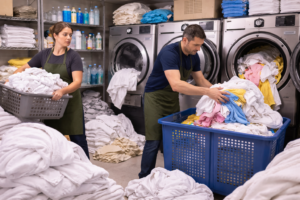
Can you wash sneakers in the washer?
Be honest: have you ever stared at your grime-covered sneakers and wondered if you can just toss them in the washing machine? If so, you’re not alone. The average American household does around 300 loads of laundry per year, so it’s only natural to ask if those dirty kicks can join the wash. The good news is that yes, you can wash many sneakers in a washer – as long as you do it safely. In fact, washing shoes safely in the machine comes down to using the right settings and a bit of prep (more on that below). That said, not every shoe is machine-friendly. Will machine washing ruin your shoes? It depends on the material and how you wash them. Let’s break down the dos and don’ts so you know exactly how to wash sneakers in laundry machine cycles without wrecking them or your appliance.
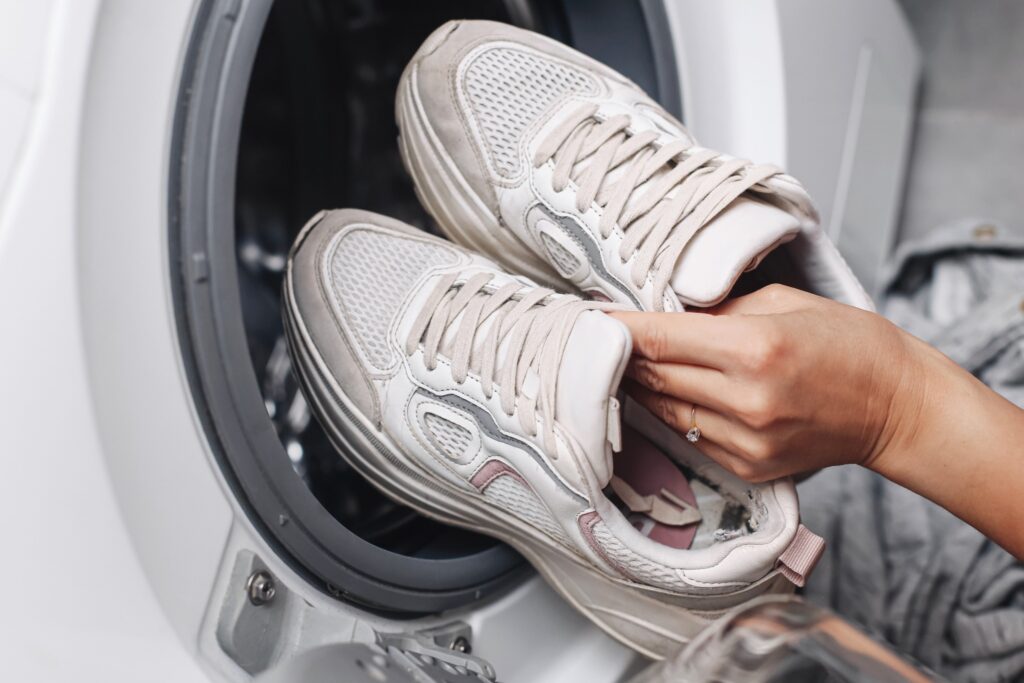
The short answer: most fabric athletic shoes (think running shoes, gym sneakers, canvas kicks) can handle a gentle machine wash. However, premium or delicate footwear might need a different approach. Even Nike’s experts caution against machine washing their shoes, recommending hand cleaning to be safe. Don’t worry – we’ll cover which types of sneakers are washer-friendly, how to prep your shoes, step-by-step instructions for a gentle cycle for sneakers, and tips for drying shoes after wash. By the end, you’ll know exactly when you can wash sneakers in the washer and when it’s best to take a different route.
What types of sneakers can (and can’t) go in the laundry machine?
Before you chuck your favorite kicks into the washer, take a good look at their materials. Certain types of sneakers can go through a wash cycle with no issues, while others will likely get destroyed. Here’s a quick guide:
- Usually OK to machine wash: Sneakers made of fabric, mesh, or canvas are generally safe for the washer. That includes most cloth tennis shoes, running shoes with nylon or polyester mesh uppers, and canvas slip-ons. Rubber soles and synthetic materials (like the knit fabric on many modern athletic shoes) hold up fine with water. These shoes can handle a gentle cycle and come out clean as long as you take precautions. Example: your classic canvas Converse or mesh gym shoes are good candidates for the laundry machine.
- Not OK to machine wash: Sneakers with delicate or water-sensitive materials should stay far away from the washer. This means leather sneakers, suede shoes, and any shoe with significant leather or suede trim – water and agitation can ruin these. Similarly, avoid machine washing shoes with lots of embellishments, beading, or metallic decorations, as well as those with cork or rope soles (common in espadrilles). The washer can loosen glue on shoes too, so very cheap or older sneakers that are barely holding together might fall apart in a wash. In short, if it’s a dressy sneaker, made of animal-based material, or has pieces that could snag or disintegrate, stick to hand cleaning.
One more thing: always double-check the care label or manufacturer’s website if possible. Some brands explicitly label certain sneakers as machine washable (Allbirds are a famous example you can wash at home). On the flip side, if a shoe’s tag says “hand wash only” or “do not machine wash,” trust that guidance. Just like you wouldn’t toss a structured hat into the laundry without precautions (our guide on how to wash a baseball cap explains why), you need to be mindful with shoes. When in doubt, err on the side of caution and use a gentle hand-washing method for questionable sneakers – or skip to the “call in the pros” section for other options.
How to prep your shoes before washing
Washing shoes safely starts before you even turn on the machine. A little prep work goes a long way toward protecting both your sneakers and your washer. Here’s how to get your shoes ready:
- Remove laces and insoles: Always take out the shoelaces and insoles first. Why? Laces can get tangled and should be washed separately (you can put them in a mesh bag so they don’t wrap around the washer drum). Insoles (especially foam ones) can be delicate – it’s best to hand wash insoles with a bit of detergent and water, then air dry them. Removing these parts also prevents trapped dirt and soap inside your shoe.
- Brush off excess dirt: Knock off any clumps of mud or dirt from the soles and uppers. You can clap the shoes together outside or use a soft brush to scrub away dried mud. The goal is to remove gravel, caked-on dirt, and debris now, so it doesn’t end up swirling around in your washer (pebbles in the washing machine are no fun!). If the soles are really muddy, a quick rinse with a hose or in a utility sink helps – you don’t want to wash shoes that are too dirty, as all that muck can clog your machine’s filter.
- Pre-treat stains and odors: Just like you’d pre-treat laundry stains, do the same for your sneakers. Spot-clean any visible stains or scuffs on the fabric using a mild detergent or stain remover. An old toothbrush works great for scrubbing spots on rubber soles or fabric. For funkiness or foot odor, sprinkle a tablespoon of baking soda inside each shoe and let them sit overnight before washing. Baking soda helps remove shoe odor by neutralizing smells. (Dump out the excess powder before washing.) If your shoes are white and dingy, you can even use a little oxygen bleach in the wash to brighten them up – we’ll cover detergent choices in a moment.
- Use a mesh laundry bag: Place your shoes in a mesh laundry bag (or if you don’t have one, an old pillowcase works in a pinch). This bag acts as a buffer, so your sneakers aren’t slamming directly against the washer drum. It also keeps any small parts (like lace tips or decorative pieces) contained if they do come loose. Zipper the bag up with the shoes inside, and you’ve got a nice protective pod for the wash cycle.
- Gather some old towels: It’s a good idea to wash sneakers with a couple of old towels or small laundry items. The towels help balance the load and cushion the shoes during the cycle, preventing that loud banging noise and reducing stress on your machine. Choose towels you don’t mind getting dirty (in case there’s any dirt runoff from the shoes). Two or three towels usually work well for cushioning and balance.
With these prep steps done, you’re almost ready to start washing. Your shoes are de-laced, de-gunked, pre-treated, and safely bagged – perfect! Now let’s get to the main event: actually running the washing machine.
Step-by-step: how to wash sneakers in the laundry machine
Cleaning your sneakers in the washer is pretty straightforward, but you’ll want to follow these steps to ensure a thorough clean without damage. Here’s how to wash sneakers in a laundry machine, step by step:
- Step 1: Load the washer properly. Put your prepped sneakers (in their mesh bag) into the washing machine. Add in those old towels you gathered – we recommend two towels, one on each side of the drum, with the shoes in the middle. This arrangement keeps the load balanced and cushions the shoes. Avoid throwing other heavy items (like jeans or jackets) in with this wash; stick to towels or maybe a few t-shirts. Too heavy a load can send the washer off-balance when the shoes start thumping around.
- Step 2: Add a mild detergent. Pour in a bit of gentle laundry detergent, just as you would for a small load. You don’t need a ton of soap – about half the normal amount for a load should do, since sneakers don’t soak up detergent like clothes do. Skip the bleach (unless you’re doing all-white sneakers and even then use color-safe bleach or an oxygen bleach). A regular enzyme-based laundry detergent works great for fabric shoes and will help break down dirt and sweat. If you’re washing athletic shoes that smell, you can also add half a cup of baking soda to the drum for an extra odor-fighting boost. Avoid fabric softener or any harsh chemicals; simple detergent is best for washing shoes safely.
- Step 3: Choose gentle cycle and cold water. Set your washer to the delicate or gentle cycle. The gentle cycle for sneakers uses slower spin speeds and less agitation, which is exactly what we want. It will clean the shoes without banging them up. If your machine has an option for soil level, choose “light” or the shortest wash time. Select cold water (or warm at most). Hot water can weaken glues and cause colors to run, so stick with cooler temps. This step is crucial: a mesh laundry bag + a gentle cycle setting is the combo that lets you wash shoes safely in the washer without wrecking them.
- Step 4: Start the wash and let it run. Double-check that everything is balanced, then hit start. Let the washer do its thing. You might hear some thumping at first – that’s normal with shoes – but it should be muted by the towels and bag. The gentle cycle typically takes around 30 minutes, give or take. Use that time to prep your drying area (find a spot to air-dry the shoes). Once the cycle is complete, remove the shoes promptly. They should be free of dirt and detergent now. Inspect them: if there are any remaining stains, you can spot-treat and rinse again by hand, but usually one cycle does the trick.
- Step 5: Never use the dryer for sneakers. Resist the urge to toss your clean shoes into the dryer – the high heat can warp soles, shrink materials, or melt glue holding the shoe together. Instead, move on to drying them properly. Immediately after washing, proceed to air drying (details in the next section). Quick tip: while the washer is still slightly damp inside, you might run an empty rinse cycle to flush out any dirt that washed off the shoes, just to keep your machine fresh.
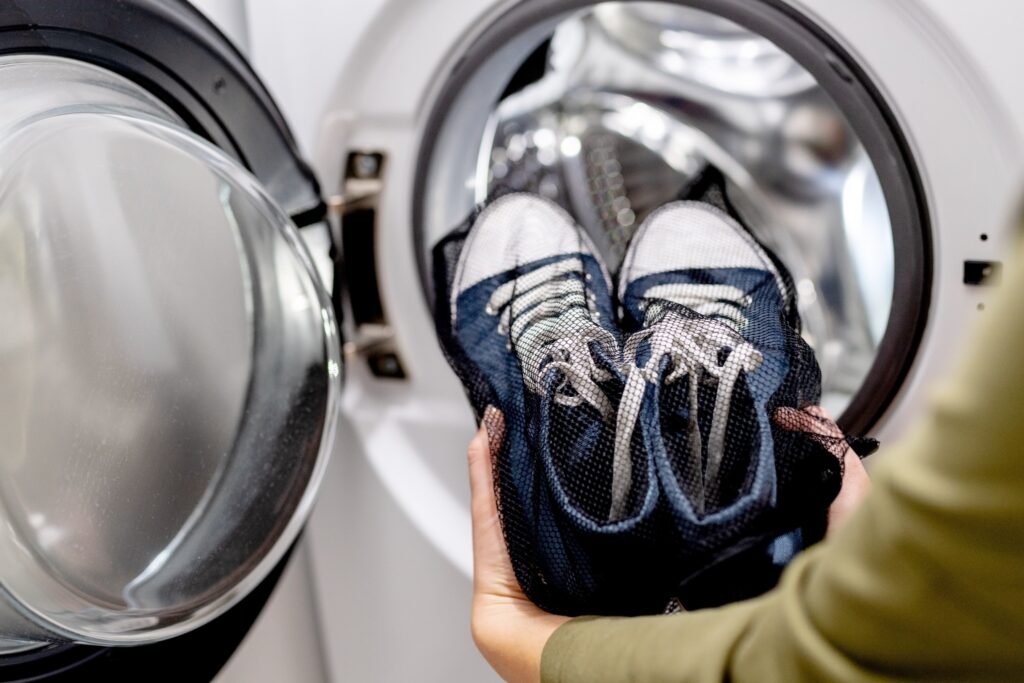
This whole process should leave your sneakers looking much fresher. The gentle cycle for sneakers, combined with cool water and mild detergent, works wonders on fabric and mesh shoes. You’ve removed grime without scrubbing for hours by hand – nice job! Now, let’s ensure we dry those shoes the right way so they don’t get damaged after their bath.
Best practices for drying shoes after the wash
Your sneakers are clean – now dry them carefully to finish the job. Drying shoes after wash is just as important as washing them. Here are the best practices to get them dry without damage:
Air dry only (no high heat): As mentioned, do not put sneakers in a hot clothes dryer. Most shoes are held together with glues that won’t withstand dryer heat, and you could end up with deformed shoes or separated soles. The safest method is to air dry at room temperature. Find a well-ventilated area out of direct sunlight (sun can overheat and fade the shoes). You can dry them outdoors in the shade or inside near a fan. If the weather’s warm and not too humid, outside in shade works great.
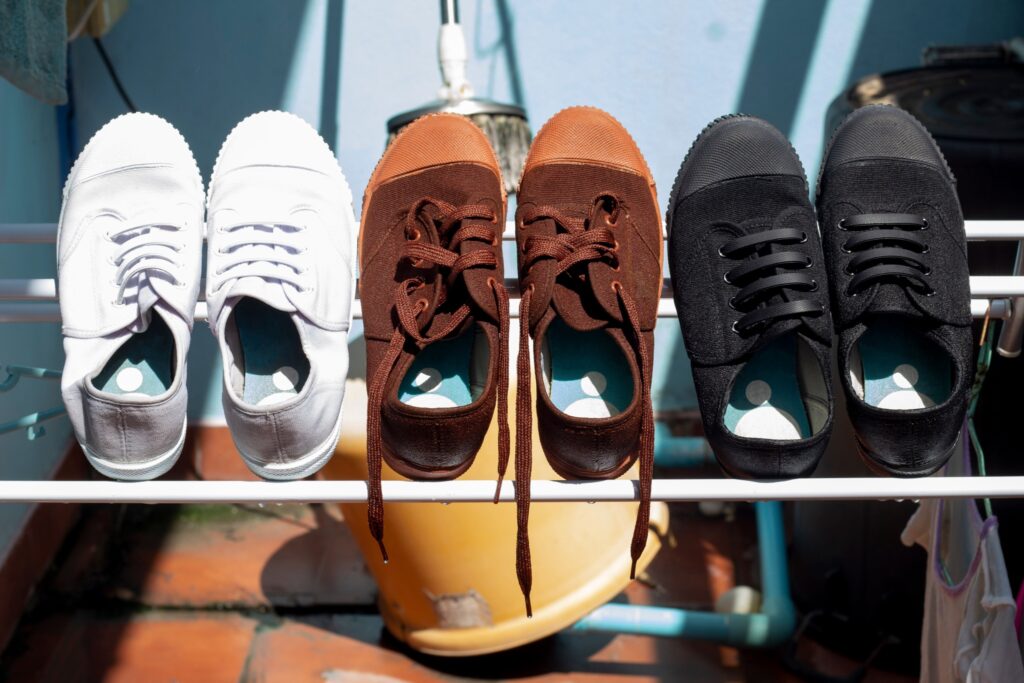
Use absorbent stuffing to speed drying: Right after washing, gently press a towel against the inside of each shoe to soak up excess water. Then, stuff the shoes with crumpled newspaper, paper towels, or clean rags. Filling the shoes helps them maintain their shape and wicks moisture from the inside. Replace the stuffing with dry paper every few hours as it becomes damp. This significantly cuts down drying time and prevents that unpleasant soggy-shoe smell.
Position for proper airflow: Lay the shoes on their sides or upright (soles down) in your drying area. You can place them on a drying rack or even hang them by the tongues on a clothesline – whatever gets good air circulation. If you have a small fan, pointing it at the shoes can help remove moisture faster. Some people put sneakers near a fridge vent or a dehumidifier to dry – just avoid direct heat sources like radiators or hair dryers, which are too hot.
Be patient: Fully drying sneakers can take time, often a day or two. Don’t rush it by applying heat. Let them air out until completely dry to the touch (and insoles dry too) before wearing them. Damp shoes worn too soon can lead to odor or misshapen footbeds. If you washed the insoles separately, make sure they’re dry and then put them back in. Lastly, re-lace your shoes with the now-clean laces. They should look and smell a whole lot better than before!
Note: For canvas, cotton or polyester sneakers, some folks very cautiously use a dryer’s no-heat or delicate setting by placing the shoes on a drying rack or wrapping in towels. This can work in a pinch, but it’s a bit risky. If you try it, use only cold air and check the shoes frequently. In general, we recommend sticking to air drying to remove any doubt. Your shoes and their glue will thank you.
Hand washing shoes vs machine: what’s better?
So, which method wins in the hand washing shoes vs machine debate? The answer really depends on your shoes and priorities. Each method has its pros and cons:
Machine washing pros: It’s fast and convenient. You can wash multiple pairs (or shoes plus other laundry) at once, and the machine provides consistent agitation to get dirt out. If your sneakers are durable and made of mesh, canvas, or other washer-safe materials, the gentle cycle saves you a lot of scrubbing effort. Machine washing is especially handy for everyday sneakers that see a lot of use and grime – toss them in, and 30 minutes later they’re much cleaner without you breaking a sweat. For busy households (and let’s face it, who isn’t busy these days?), the washer method is a huge time-saver for routine shoe cleaning.
Machine washing cons: There’s some risk involved. Even on gentle, the machine’s tumbling can beat up shoes if they’re not well-protected. You also risk damaging the washer if a heavy shoe knocks around (hence why we pad with towels and use a bag). Not all parts of the shoe get special attention – a set-in stain might not fully come out without hand scrubbing. And of course, as we covered, many types of shoes (leather, suede, etc.) simply can’t go in the washer. Finally, the drying time after machine washing is significant since you must air dry.
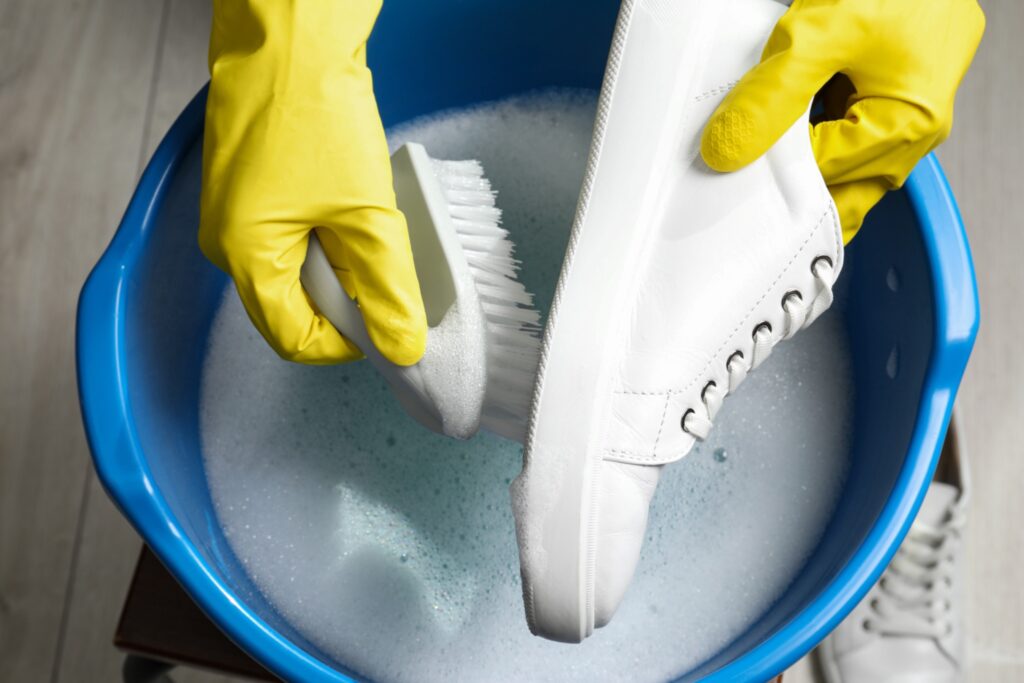
Hand washing pros: Hand washing is the safest, most gentle way to clean sneakers. You have full control over the process – you can scrub only where needed, avoid soaking parts that shouldn’t get wet, and generally be as careful as necessary. Delicate materials or high-end sneakers benefit from the TLC of hand cleaning. You’re far less likely to damage the shoe when you’re cleaning it in a basin of water with a soft brush. For any shoe that you’re nervous about, hand washing is the better choice (Nike certainly thinks so, since they don’t recommend machines for their shoes at all). Another perk: if only a certain area of the shoe is dirty (say, just the soles or a small stain), you can target that without subjecting the whole shoe to water.
Hand washing cons: It takes more time and elbow grease. You might spend 20–30 minutes per pair scrubbing and rinsing, versus letting a machine do the work. It can be a bit messy and requires space to soak and wash. Plus, for truly muddy shoes, you’ll need to put in some effort to get all the dirt off – the washer’s agitation can sometimes do a more uniform job on general grime. Hand washing also typically means you’re washing one or two pairs at a time, whereas a washing machine could handle more if needed. In short, it’s labor-intensive, so you have to decide if the extra gentleness is worth the extra work.
Bottom line: Use your best judgment based on the shoes. For sturdy athletic sneakers that you wear all the time, machine washing on a gentle cycle is a convenient way to keep them fresh (and honestly, they’re probably built to handle it). For expensive sneakers, leather casual shoes, or anything irreplaceable, hand washing shoes is the safer bet. And remember, even if you machine wash, you can always do a bit of hand scrubbing beforehand (for stains) or after (for touch-ups). Sometimes the winning combo is a brief hand scrub to pre-treat, then a machine cycle to finish the job. Both methods can yield great results – it’s all about picking the right one for the task.
When to call in the pros
Even with all these tips, there are times when DIY sneaker washing might not cut it. Maybe you’re dealing with very expensive sneakers that you’re terrified to mess up, or a beloved pair of suede shoes with a big stain. Or perhaps you simply don’t have the time (hello, laundry mountain!). Here’s when it makes sense to call in the pros:
Stubborn stains or deep cleaning needed: If your shoes have set-in mud, oil, or mystery stains that didn’t come out in a normal wash, a professional cleaning service or cobbler can work magic. They have specialized cleaners and tools (like industrial-strength stain removers, suede brushes, etc.) to tackle what home methods can’t. Rather than risk repeated washes or harsh chemicals yourself, a pro can save the day and possibly save the shoes.
Delicate or specialty materials: For any shoe made of genuine leather, suede, exotic materials, or that has intricate detailing, professional cleaning is often the safest route. A shoe repair shop or specialized sneaker cleaning service will know exactly how to treat those materials without damage. They can often clean and even recondition leather or suede in ways a simple home wash can’t. When you’ve invested in high-end footwear, it’s worth investing in proper care to extend its life.
Lack of time or laundry overload: Let’s face it – between work, family, and everything else, not everyone wants to spend their weekend scrubbing shoes or monitoring the washing machine. The average American spends over 240 hours on laundry chores each year, and shoes are an extra task on top of that. If you’d rather save some of that time, consider using a laundry service. For example, our wash & fold service isn’t just for clothes – we’ll happily take on your washable sneakers or any other linens that need TLC. Professional laundry services handle the sorting, washing (with the right settings), and drying for you, so you get fresh, clean items with zero hassle.
When in doubt, get expert help: If you’re truly unsure about how to clean a particular pair of shoes, it doesn’t hurt to consult a professional. Many local shoe cleaners or laundromats (hi from SpinCycle!) can offer advice. Sometimes dropping the shoes off with a pro can give you peace of mind that they’ll come back clean and undamaged. It’s also a time-saver when you have a million other things to do. As much as we love empowering you to handle your laundry at home, we’re here as your backup plan. Whether it’s an entire load of dirty sneakers from the kids’ sports team or just that one pair you don’t trust yourself to wash, our team is ready to help get your shoes and laundry looking like new.
In summary, washing sneakers in the laundry machine is absolutely doable for many types of shoes – and it can be a real lifesaver for busy folks with muddy, sweaty sneakers. Just remember to check the materials, prep them properly (laces out, in a mesh bag, gentle cycle), and air dry with care. You’ll save yourself from hand-scrubbing every inch and keep your kicks smelling fresh. And for those times it’s not worth the trouble or you have a tricky pair, SpinCycle’s professional services are just a call or click away. Happy cleaning, and may all your sneaker laundry adventures run smoothly!