Best Laundry Detergent for White Clothes
Ever pulled a fresh white shirt out of the dryer only to find it looking a bit dull or yellowed? Keeping white clothes truly white can be a challenge. White fabrics seem to attract stains, and over time they can turn gray or dingy even with regular washing. Don’t worry – we’ve got you covered. In this guide, we’ll explain why whites lose their luster, how to choose the best laundry detergent for white clothes, and the best ways to keep white clothes bright without harsh bleach. By the end, you’ll have plenty of tips to make your white laundry sparkle again. (And if those piles of whites ever feel like too much, your friendly Spincycle team is here to help!)
What Makes White Clothes Dull
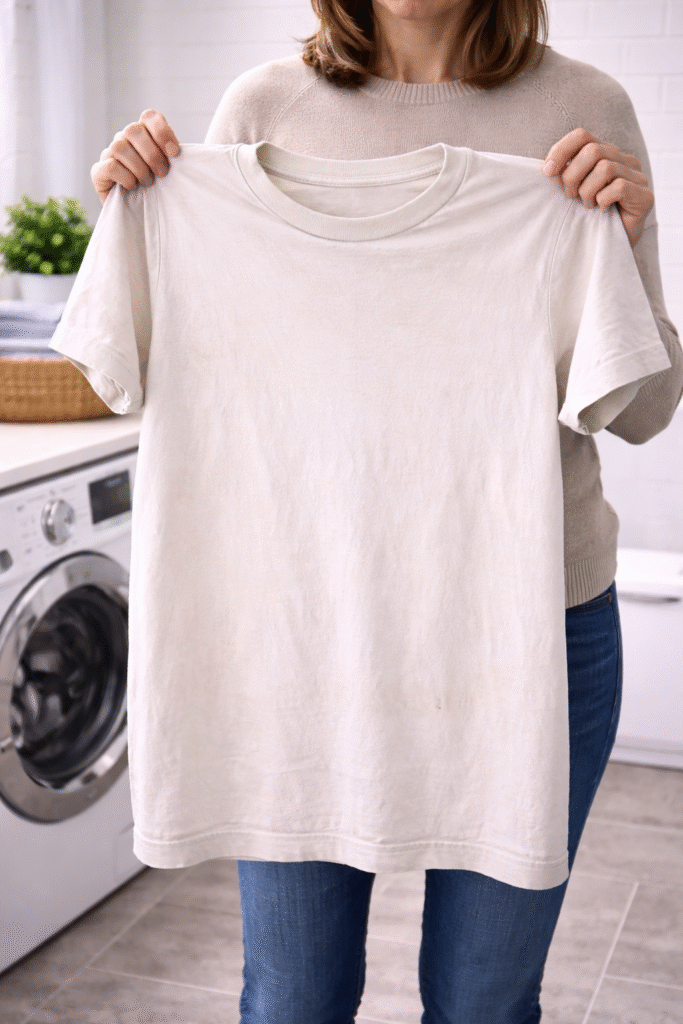
Even with careful washing, white garments can lose their brightness due to a few common culprits:
- Detergent & Softener Residue: Using too much detergent or liquid fabric softener can leave behind a filmy buildup that grays fabric over time. (In fact, laundry experts note that excess detergent or additives can actually make whites dingy rather than brighter.)
- Mineral Buildup from Hard Water: If your water is hard (rich in minerals), those minerals can cling to fabric fibers. This often leaves whites looking dull or slightly beige. It’s like an invisible layer of “chalk” on your clothes that regular washing may not fully rinse out.
- Body Oils & Sweat: Our natural oils, sweat, and even deodorant can yellow the underarms and collars of white shirts. Over time, these organic stains oxidize and create that aged yellow tint that’s hard to miss on white fabric.
- Over-Bleaching: Ironically, using chlorine bleach too often or incorrectly can cause whites to yellow. Chlorine bleach can react with proteins (like sweat) or certain synthetic fibers, resulting in a dingy, yellowish tinge. Over-bleaching also weakens fibers, making fabric less vibrant.
- Dye Transfer: Ever notice a white sock that turned pink after a wash? Washing whites with dark or colorful items can transfer dye onto your whites, leaving them looking gray or off-white. Even storing a white garment next to a bright one can sometimes dull its color. Keeping whites separated is key to avoiding this sneaky cause of dullness.
What to Look For in a Detergent for White Laundry
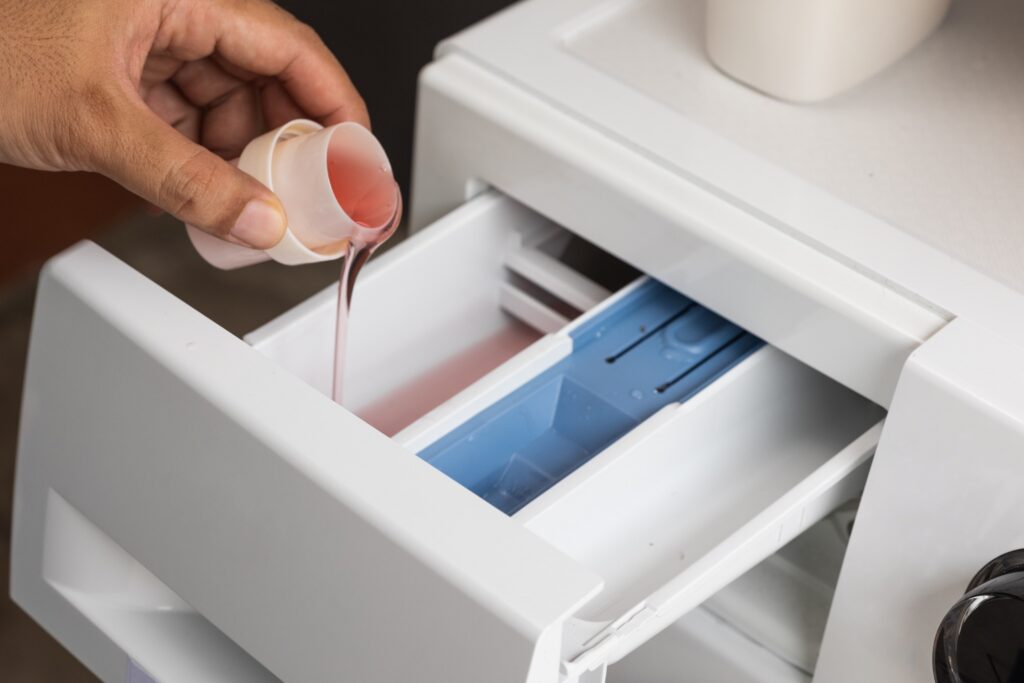
Choosing the right detergent goes a long way toward brighter whites. When shopping for the whitening laundry detergent that will treat your whites best, look for these features:
- Powerful Surfactants: Surfactants are the cleaning agents in detergent that lift away dirt and grime. For white clothes, you want a detergent with robust cleaning power to break up oils and dirt that cause dullness. A good detergent for whites will be labeled “heavy-duty” or formulated to remove tough stains.
- Optical Brighteners: Many detergents for white clothes include optical brighteners – special compounds that deposit on fabric to trick our eyes into seeing a brighter white. They work by reflecting blue light, which makes yellowed or dull fabric appear whiter and more vibrant. If keeping whites luminous is a priority, check the label for optical brighteners.
- Oxygen-Based Whiteners: Oxygen bleach (often in the form of sodium percarbonate, the active ingredient in products like OxiClean) is a gentle, color-safe bleach alternative. Detergents that contain oxygen-based whitening agents can lift stains and lighten fabric without the harsh effects of chlorine. These are great for maintaining brightness in regular washes.
- Bleach-Free Formula: It may sound counterintuitive, but a bleach-free detergent is often best for routine white laundry. Chlorine bleach is powerful but can damage fibers and cause yellowing if overused. A quality detergent that is bleach-free (relying on alternative whiteners as mentioned above) will clean and brighten your whites without that risk of chlorine damage.
Tips for Keeping Whites Bright (Without Harsh Bleach)
You don’t need to douse your clothes in chlorine bleach to get great results. Here are some of the best ways to keep white clothes bright without harsh bleach – simple habits and tricks that make a big difference:
- Pre-Treat and Spot Clean: Attack stains as soon as you can. For any spills or yellowed areas (think collar rings or underarm stains), apply a pre-treater or a bit of liquid detergent before washing. Treating these trouble spots in advance prevents dingy patches and keeps overall whiteness intact.
- Wash Whites Separately: Always wash white laundry in its own load, separate from darks or colors. Even a small amount of dye bleed from a colored item can gradually dull your white shirts and socks. Keeping a “whites only” load ensures no rogue dyes sneak onto your pristine garments and helps maintain that crisp color.
- Use the Right Water Temperature: Check the fabric care labels, but most white cottons and linens can be washed in warm or hot water. Warmer water helps detergent work more effectively, dissolving oils and grime that cause dullness. For heavily soiled whites (like gym socks or kitchen towels), a hot wash can be especially helpful to brighten and sanitize. (Just avoid hot water for delicates or items that say cold wash only.)
- Measure Detergent Properly: More soap does not equal whiter clothes – in fact, too much detergent can leave residue that makes fabric look gray. Use the recommended amount (or even a little less for HE machines) so everything rinses out cleanly. If your washer has an extra rinse option, consider using it for white loads to flush out any lingering soap or additives that could dull the fabric.
- Don’t Overload the Washer: Give your white clothes some room! Cramming the washer full makes it harder for detergent and water to circulate, and soils can redeposit on fabric. Wash big loads of whites in two batches if necessary. A loosely packed load means each item gets thoroughly washed and rinsed, which ultimately leads to brighter results.
- Skip the Chlorine Bleach (Most of the Time): Reaching for bleach too frequently can backfire by yellowing whites or setting certain stains (like those from sweat or sunscreen) even deeper. Save chlorine bleach for occasional deep cleaning of all-white cotton linens or disinfecting needs. For day-to-day brightening, the other tips here – and the natural boosters below – will usually do the trick without the harsh effects.
Recommended Detergent Types for White Clothes
If you’re looking to buy the best laundry detergent for white clothes, consider these types of products. They each offer something beneficial for keeping whites bright:
- High-Efficiency (HE) Detergents: If you have a high-efficiency washer, always use HE-labelled detergent for any load, including whites. HE detergents produce fewer suds and are formulated to rinse cleanly. This is crucial because excess suds or poorly-rinsed detergent can leave residues that dull white fabric. Even in a standard washer, using a quality HE detergent can help minimize film and keep whites brighter.
- Detergents with Oxygen Bleach: Some detergents come with built-in oxygen-based whitening power (or you can add a scoop of oxygen bleach powder to your load). These are fantastic for whitening whites. They release gentle peroxide in the wash that lifts stains and lightens dingy areas without damaging fibers. Look for terms like “oxy” or “non-chlorine bleach” on the label.
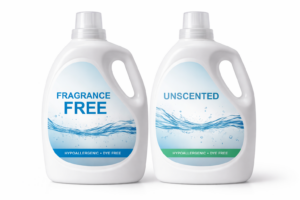
- Fragrance-Free / Dye-Free Detergents: Detergents labeled “free & clear” (no added dyes or perfumes) can be smart for white laundry. They lack the extra ingredients (like blue dyes or colored specks) that could potentially leave a tint on fabric. Plus, fewer additives means less chance of any residue. Your whites come out truly white, and as a bonus, these gentle formulas are great for sensitive skin.
- Detergents with Optical Brighteners: As mentioned earlier, optical brighteners make a visual difference. Some detergent brands specifically market formulas for white or bright laundry that are loaded with these brighteners. Using such a detergent can give your white clothes an instant “pop” of brightness after each wash. It’s a handy way to enhance brightness, especially if your water or washer doesn’t get clothes as radiant as you’d like.

Natural Whitening Boosters
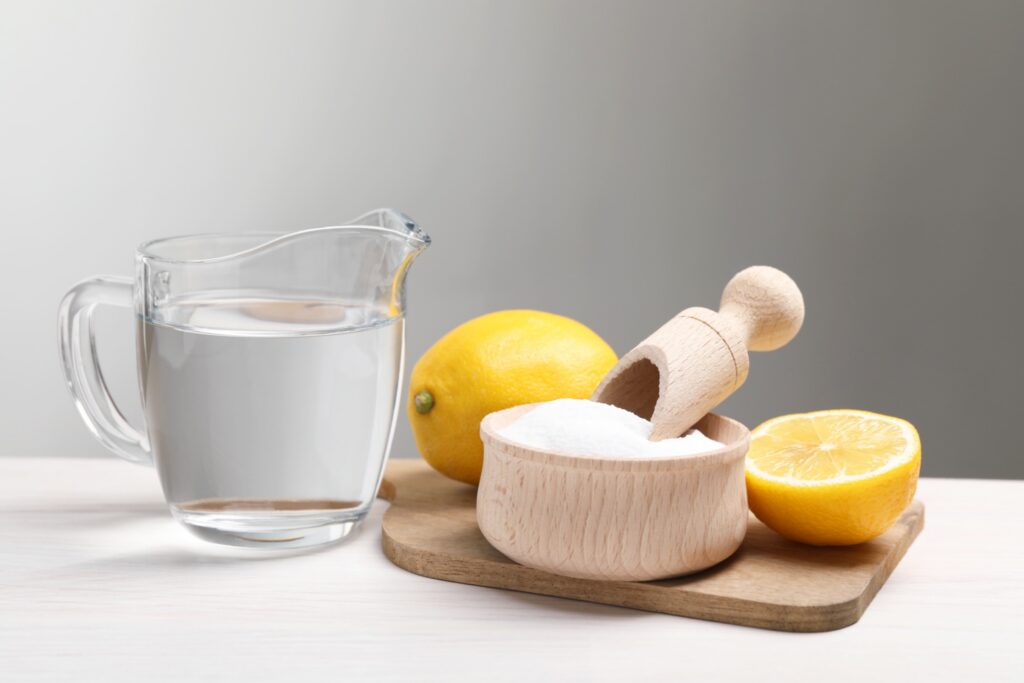
Want a gentle, non bleach laundry whitener that you might already have in your kitchen? Good news: there are several old-fashioned remedies to brighten white laundry naturally. Laundry experts at Real Simple recommend pantry staples like lemon, baking soda, and vinegar to give whites a boost without resorting to chlorine bleach. Here are a few safe “homemade” whitening tricks and how to use them:
- Lemon Juice: The citric acid in lemons is a mild natural bleach. To brighten dingy whites, fill a basin or tub with hot water and add about half a cup of fresh lemon juice. Soak your white clothes in this solution for at least an hour (you can even leave them overnight for tougher yellowing). After soaking, wash as usual. An added perk: drying white linens in the sun after a lemon soak can amplify the whitening effect, since sunlight works with the lemon’s natural acids to bleach fabrics gently.
- Baking Soda: Baking soda (sodium bicarbonate) is another gentle whitening agent that also deodorizes. Dissolve one cup of baking soda in a gallon of hot water, then drop in your whites to soak. Let them sit for an hour (or overnight for stubborn grime) before washing. Baking soda helps break down organic dirt and can even help tackle yellow underarm stains. For spot treatment of yellowed areas, you can make a paste of baking soda, a few drops of water, and a little lemon juice; rub it onto the stain, let it sit, then wash. It’s an easy, chemical-free way to refresh white fabric.
- Distilled White Vinegar: White vinegar is almost a miracle worker in the laundry room. Add a cup of distilled white vinegar to a gallon of hot water and soak your white clothes in it for a few hours before washing. Vinegar’s mild acetic acid dissolves detergent residue and mineral deposits that make whites look dull. You can also pour a half-cup of white vinegar into the fabric softener compartment of your washer (or directly in the rinse cycle) when washing whites. It will act as a natural fabric softener, help remove any last suds, and brighten the fabric. Don’t worry – the vinegar smell rinses out, so your clothes won’t come out smelling like salad!
Other gentle whitening boosters include hydrogen peroxide (a mild oxygen bleach that’s safe on most whites) and borax (a mineral laundry additive that fights stains and softens water). These methods might take a bit more time (since they often involve soaking), but they are effective alternatives to bleach. The Spruce confirms you don’t need chlorine bleach to whiten yellowed clothes – simple soaks with ingredients like baking soda, vinegar, or lemon can do the job, no harsh chemicals needed. It’s comforting to know you have plenty of options to whiten whites with things already in your home.
Prevent Yellowing in White Clothes
Once you’ve brightened your whites, you’ll want to keep them that way. Preventing that unwanted yellow or gray tint is all about good laundry habits and maintenance. Here’s how to prevent yellowing in white clothes going forward:
- Avoid Fabric Softener Buildup: Liquid fabric softeners and dryer sheets can leave a waxy residue on fabric (that “soft” feel comes at a cost). Over time, this buildup can make whites look creamy or yellowish. To keep whites bright, skip the softener on white loads or use it sparingly. If you like extra-soft laundry, try using a bit of white vinegar in the rinse cycle as a natural softener – it reduces static and residue without discoloring fabrics.
- Use Enough Detergent (but Not Too Much): Using too little detergent can cause white clothes to stay dirty, allowing sweat and oils to accumulate wash after wash (hello, yellowing!). On the flip side, using too much detergent can leave residue. Follow the detergent instructions for the load size and soil level. For sweaty white gym clothes or heavily soiled items, don’t be afraid to use a full measure of a good quality detergent so that all the grime gets washed out. The key is a thorough clean and rinse each time, so nothing is left behind to discolor your clothes.
- Wash Whites Frequently: Don’t let your white items languish at the bottom of the hamper for too long. Even if they don’t look visibly dirty, invisible culprits like body oils, perspiration, and dust can settle into white fabric and lead to yellowing over time. Washing your white shirts, socks, and towels more promptly (and more often than you might wash darker clothes) keeps those sneaky soils from building up. Regular care is easier than trying to rescue an item that’s been yellowing for months.
- Keep the Washer Clean: Believe it or not, the state of your washing machine affects your whites. If the washer has mold, mineral deposits, or leftover detergent in it, those can transfer onto clothing. Every so often, run an empty cycle with hot water and a cup of vinegar (or use your machine’s cleaning cycle with a specialty cleaner) to flush out any gunk. Also, wipe down the door seal and detergent dispenser periodically. A clean machine means cleaner whites with no weird tint from leftover grime.
By following these steps, you’ll create an environment where your white clothes can stay bright and crisp for the long haul. Prevention is easier (and more satisfying) than trying to fix yellowed clothes after the fact!
Bonus: Use a Self-Service Laundry for Bulky Whites
Ever struggle to stuff an oversized white comforter or a pile of white bedsheets into your home washer? Large white items (like duvet covers, towels, or tablecloths) can be tricky to get truly clean in a small machine. One great solution is to take those bulky whites to a self-service laundry with high-capacity machines. Laundromats have oversize washers and dryers that are designed for big loads, ensuring your king-size white bedspread gets a thorough wash and rinse. Using a commercial-grade washer can flush out deep-seated dirt and dinginess that a home machine might miss. Plus, you can wash multiple sets of white linens or a huge batch of towels all at once – a real time-saver for busy households. It’s a “bonus” trick for when you need extra muscle to keep your whites brilliant.
When to Call in the Pros
Life gets busy, and not everyone has the time (or patience) to perfectly pre-treat and pamper their white laundry. If your white loads have gotten out of control or you’re dealing with very delicate or heavily stained white items, it might be time to let professionals lend a hand. Consider using a convenient laundry pickup & delivery service to save time. You can schedule a pickup, hand over your mountain of dull whites, and let the pros do the washing. They’ll return your clothes fresh, clean, and beautifully bright – and you didn’t have to lift a finger.
Another great option is a local wash & fold service. Just drop off your white clothes (and any other laundry) at the laundromat or dry cleaner that offers wash-and-fold. Experienced staff will tackle the sorting, stain-treating, and optimal washing for you. They know how to get socks sparking white and dress shirts looking crisp. By the time you pick up your order, your whites will be neatly folded and glowing like new. It’s an easy, professional solution for those times when you want perfect results without the hassle.
With a little extra care – from choosing the right detergent to leveraging some DIY whitening hacks – you can keep your white clothes looking brilliant. And for the times you need a break, remember that there are laundry pros ready to help get your whites back to dazzling. Here’s to enjoying bright, clean whites and less time worrying about laundry!